


Moisture is one of the most overlooked contributors to pest problems. While food sources and entry points are common focuses, excess humidity or hidden leaks can create the perfect breeding ground for insects and rodents. If you’re looking to prevent pest infestation, understanding how moisture affects pest behavior is a critical first step.
This article explores how moisture impacts various pests, what areas of your home or business are most vulnerable, and which strategies can effectively reduce both humidity and pest risk. From early detection to long-term prevention, we cover why moisture control is not just a maintenance issue but a core element of modern pest management.
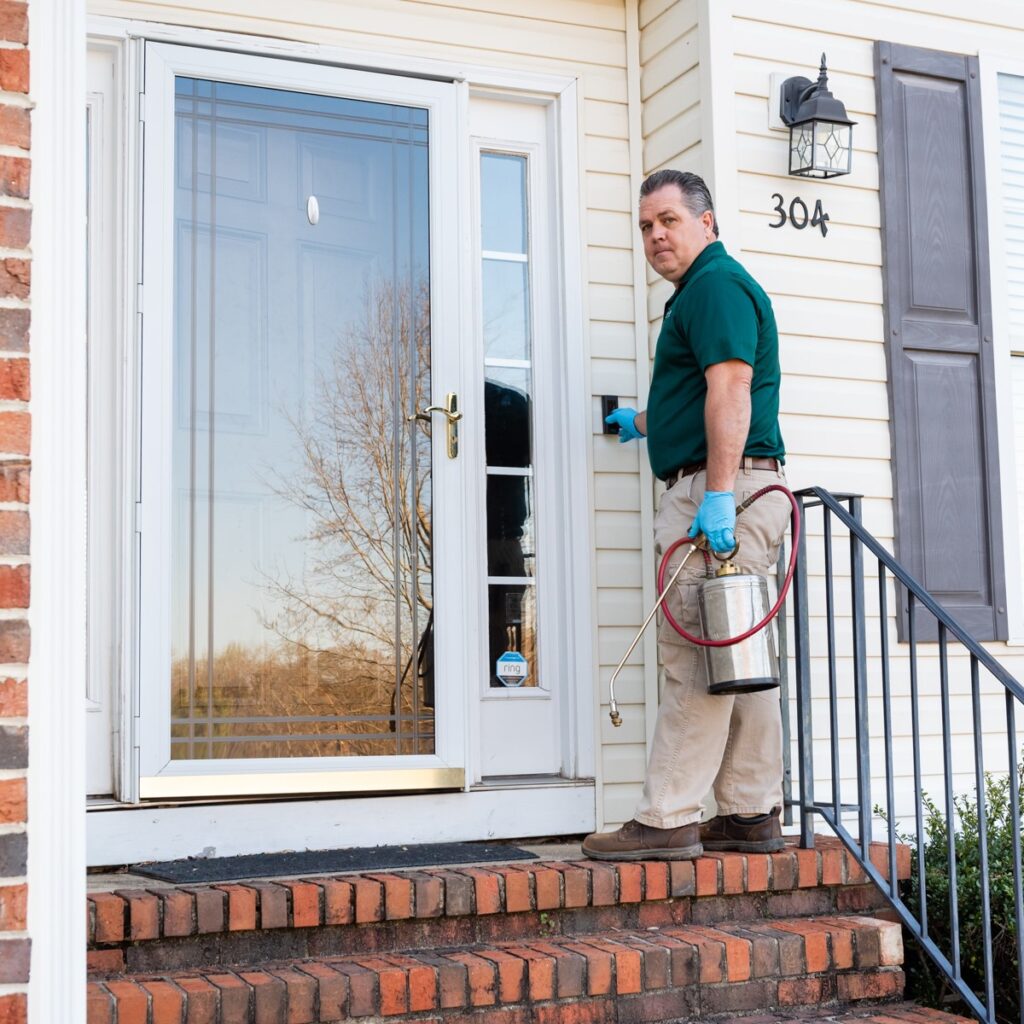
Why Moisture Attracts Pests
Many pests rely on water sources for survival and reproduction. In fact, moisture can determine where pests choose to settle. Damp environments offer several advantages for common invaders:
- Shelter and breeding sites: Cockroaches, termites, ants, and silverfish thrive in moist areas where they can hide and multiply.
- Water access: Pests like rodents and cockroaches can survive without food for days, but not without water.
- Softened entry points: Moisture degrades wood, caulking, and insulation, creating gaps that pests can use to gain entry.
Certain pests, like subterranean termites, require consistent moisture to build mud tubes and colonies. Similarly, mosquitoes lay their eggs in standing water, while carpenter ants are more likely to invade water-damaged wood.
Moisture doesn’t just lure pests indoors. It also helps them survive long-term. By keeping an eye on water-related issues, property owners can reduce pest interest before it becomes an infestation.
Most Vulnerable Areas for Moisture Build-Up
Different parts of a property collect and retain moisture more than others. Targeting these spaces is essential in your prevention plan:
- Basements and crawl spaces: Poor ventilation and soil contact make these zones ideal for pests that thrive in damp, dark environments.
- Bathrooms: Frequent water use combined with poor sealing or leaking pipes provides multiple access and hydration points for pests.
- Kitchens and under sinks: Leaky faucets, damp dish sponges, or condensation under appliances create consistent moisture exposure.
- Laundry areas: Improperly vented dryers and water heaters generate high humidity.
- Roofs and gutters: Clogged gutters and roof leaks allow water to seep into walls and ceilings, softening materials that attract insects and rodents.
Regular inspection of these areas can drastically improve your ability to prevent pest infestation. Many hidden infestations begin in moisture-prone zones that go unchecked for months. Learn more about early intervention in this resource on tips for preventing pest problems.
Signs Moisture May Be Fueling Pest Activity
Knowing how to identify moisture-related pest activity can prevent minor problems from turning into infestations:
- Warped wood or paint bubbling
- Musty odors in enclosed areas
- Visible mold or mildew
- Recurring condensation on windows or walls
- Soft or discolored drywall
- Unusual pest sightings in moisture zones
If pests are only appearing in bathrooms, near basements, or under sinks, moisture is likely part of the issue. It’s important not to treat pests in isolation but to ask what environmental conditions are sustaining them.
Moisture Control Strategies That Work
Effective moisture management requires a mix of maintenance, structural care, and ventilation improvements. Use the following approach:
- Fix leaks promptly: Address any dripping faucets, pipe condensation, or roof leaks immediately.
- Ventilate effectively: Install or maintain exhaust fans in kitchens, bathrooms, laundry rooms, and attics.
- Use dehumidifiers: In high-humidity zones like basements, a dehumidifier can lower moisture levels significantly.
- Clean gutters regularly: Clogged gutters redirect water to walls and foundations, encouraging pest entry.
- Seal cracks and gaps: Moisture attracts pests, and structural gaps let them inside. Caulk around doors, windows, and pipe penetrations.
- Slope soil away from the foundation: Water should flow away from your structure, not toward it.
These strategies aren’t just good for preventing structural issues; they directly reduce the conditions that attract pests. For properties in humid climates, long-term moisture control is an indispensable part of pest defense.
Why Professional Moisture Monitoring Helps
While many moisture control steps can be taken on your own, subtle water damage or hidden leaks often go unnoticed. Pest professionals are trained not just to handle infestations, but to spot environmental risk factors like humidity and structural vulnerabilities.
A professional inspection can identify:
- Moisture buildup within walls or insulation
- Inadequate ventilation in sealed areas
- Small leaks beneath the flooring or foundations
- Early-stage pest activity in hidden zones
By partnering with experts, you’re not only addressing pests, you’re also taking a proactive role in preserving the long-term health of your home or business. Additionally, a trained team can recommend eco-conscious interventions that reduce pest pressure without overreliance on harsh chemicals. You can read more about this sustainable approach in their guide on the environmental benefits of professional pest control.
Moisture Today, Infestation Tomorrow
Unchecked moisture is like an open invitation for pests to invade and settle. If your property has areas of high humidity or water damage, it’s only a matter of time before insects or rodents take notice.
Instead of waiting for visible pests to appear, take action by understanding and managing moisture conditions now. Smart prevention starts from the foundation up, and moisture control is one of the most effective shields in your pest management strategy.
Take Control with Confidence
Ready to protect your space from hidden moisture and the pests it invites? A proactive inspection can reveal risks before they turn into problems. Schedule a visit with Greenville Pest Control today to gain expert guidance and long-lasting solutions tailored to your property.
