

Fast
Local Service

Satisfaction Guaranteed
Fast
Local Service
Satisfaction Guaranteed

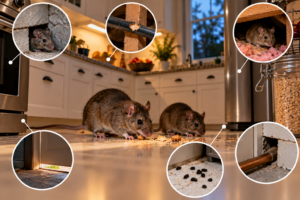
What Attracts Rodents Into Kitchens During Cooler Temperatures
Cooler temperatures can make kitchens especially attractive to mice and rats because these spaces combine warmth, food, water, and hiding places in one protected part of the home. Rodents may enter through gaps around doors, utility lines, crawl-space connections, rooflines, or foundations, then follow walls and concealed routes toward areas where food is consistently available. Our team approaches rodent control by looking beyond the first droppings or scratching sounds. A kitchen sighting often connects to a larger pattern involving entry points, storage areas, nearby wall voids, or exterior shelter. Professional inspection helps identify where rodents are coming from, what is keeping them active, and whether they have already spread beyond the room where evidence first appeared. Food And Water Make Kitchens Reliable Rodent Targets Rodents are opportunistic feeders, and kitchens provide several dependable food sources. Pantry goods, pet food, crumbs beneath appliances, open trash, and poorly sealed packages can all support activity. Water can be just as important, especially around sinks, dishwashers, refrigerators, plumbing lines, and small leaks that are easy to overlook. Our article on small pest problems explains why minor signs can become more serious when food, moisture, shelter, and hidden access remain available. Conditions that can attract rodents include: Removing easy resources can reduce attraction, but it does not confirm that rodents already inside have left or that entry routes are closed. Hidden Gaps Give Rodents A Direct Route Toward Warm Indoor Spaces As outdoor temperatures fall, mice and rats may look for sheltered areas with more stable conditions. Kitchens are often connected to utility penetrations, wall cavities, crawl spaces, basements, and exterior plumbing routes, all of which can create concealed pathways through the structure. Our technicians inspect both the interior and exterior because the visible kitchen activity may begin several rooms away or outside the home entirely. Rodents can travel behind cabinets, inside walls, and along structural edges without appearing in open areas often. Common access concerns include: Professional exclusion is most effective when active routes are identified first. Sealing openings without understanding the infestation can leave rodents trapped in the structure or cause them to search for another interior path. Early Inspection Can Prevent A Small Kitchen Problem From Spreading Rodents reproduce quickly and can establish nesting areas in attics, wall voids, crawl spaces, storage rooms, or behind appliances. That is why a few droppings near a pantry should not automatically be treated as an isolated kitchen problem. Our guide to lower pest costs explains why early inspection and prevention often reduce the need for more extensive treatment after infestations spread into hidden areas. Signs that activity may be established include: Our team compares these signs with food sources, moisture, structural openings, and exterior conditions. That helps determine whether the issue involves one access point or several active routes. Professional rodent control can combine inspection, trapping, exclusion, sanitation guidance, and follow-up. Each step serves a different purpose. Trapping addresses rodents already inside, exclusion reduces future entry, and monitoring helps confirm whether activity is actually declining. Greenville’s seasonal weather can also change rodent pressure without eliminating it. Cooler periods may push rodents toward indoor shelter, while warmer days can increase movement around garages, crawl spaces, and exterior structures. A quiet stretch does not always mean the problem has ended. Kitchens deserve particular attention because they provide what rodents need while also containing food-contact surfaces and stored goods. Contamination from droppings, urine, or nesting material can extend beyond the place where a rodent is actually seen. Professional evaluation helps determine which areas require cleaning, monitoring, or treatment and keeps the response focused on confirmed evidence. Long-term prevention depends on making the property harder to enter and less useful once rodents approach it. Secure food storage, moisture correction, structural repairs, and ongoing monitoring all support that goal. However, when fresh droppings, gnawing, noises, or repeat sightings are already present, professional inspection provides the clearest way to understand the full extent of the problem. Keep Cooler Weather From Turning Your Kitchen Into Rodent Shelter If rodent evidence is appearing in your kitchen as temperatures fall, contact Greenville Pest Control for professional rodent control focused on inspection, trapping, exclusion, prevention, and long-term monitoring.
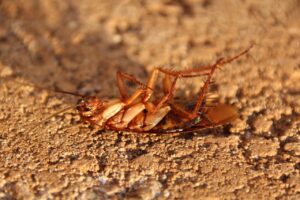
How To Prevent Recurring Cockroach Problems At Home
Cockroaches are persistent pests because they can survive in hidden spaces, reproduce quickly, and take advantage of small amounts of food and moisture. In Greenville homes, kitchens, bathrooms, basements, attics, garages, and utility areas can all provide conditions that support recurring activity. Seeing one roach may only be the visible part of a larger problem. Their ability to hide behind appliances, inside cabinets, and near plumbing makes early activity easy to underestimate, especially when sightings happen mostly at night. Our team approaches cockroach control by identifying the species, locating harborages, tracing entry points, and correcting the conditions helping roaches survive. Long-term control is more effective when inspection, targeted treatment, sanitation, exclusion, and follow-up work together. That approach helps reduce the chance that surviving insects or newly introduced roaches rebuild the infestation after the first service. It also gives our technicians a clearer baseline for deciding whether activity is shrinking, shifting to another area, or being sustained by an overlooked condition. Find The Conditions That Keep Roaches Coming Back Recurring cockroach problems often continue because the underlying conditions remain unchanged. Food crumbs, grease, leaking plumbing, damp basements, clutter, and gaps around doors or utility lines can all support activity. Our technicians look beyond visible roaches to understand where they are hiding and what is allowing them to persist. Our guide to fall inspection signs explains why droppings, unusual odors, shed skins, scratching sounds, and repeat sightings can indicate a developing pest problem that deserves closer evaluation. Important conditions to review include: Correcting these conditions supports treatment, but an established infestation may still require professional intervention to reach hidden harborages. Roaches can remain out of sight during the day, so inspection findings are often more useful than relying on daytime sightings alone. Match Treatment To The Species And Level Of Activity Not every cockroach infestation behaves the same way. Some species prefer warm indoor environments near food and moisture, while others are more closely associated with basements, drains, exterior foundations, or other damp areas. Species identification helps determine where technicians should inspect and which treatment methods are most appropriate. Our team may use a combination of products, placement strategies, and follow-up depending on the infestation. Treatments can be directed toward kitchens, basements, attics, exterior foundations, and other active areas identified during inspection. A professional cockroach-control plan may include: This customized approach matters because one-time surface treatment may leave eggs, concealed adults, or untreated harborages behind. Professional placement also helps keep treatment focused on the cracks, crevices, and travel zones where roaches are most likely to encounter it. Use Follow-Up To Stop Reinfestation Before It Rebuilds Cockroach control is usually a process rather than a single event. Even after activity drops, follow-up helps confirm whether the infestation is truly declining. Our technicians compare new sightings with earlier findings and recheck areas that previously showed droppings, harborages, entry points, or moisture problems. Our article on professional pest control highlights why accurate identification, specialized treatment, and ongoing monitoring can provide more dependable results than short-term reactions to visible pests. Long-term prevention may involve: Follow-up is also important because cockroaches can be reintroduced through boxes, groceries, appliances, deliveries, or items moved from an infested location. A home that was previously treated can develop new activity if fresh roaches gain access. Professional monitoring gives our team a clearer way to distinguish between lingering infestation pressure and a new introduction. That difference affects where we inspect and how the next treatment is planned. Recurring cockroach problems are rarely solved by focusing on the last roach that appeared. The stronger approach is to identify the species, inspect the areas supporting activity, target hidden harborages, correct moisture and food access, close entry routes, and confirm results through follow-up. This also helps avoid unnecessary treatment in spaces that are not contributing to the problem. By concentrating on confirmed activity and conducive conditions, our team can make cockroach control more precise and support better long-term prevention. Keep Roaches From Reclaiming Your Home If cockroaches keep returning despite earlier treatment, contact Greenville Pest Control for professional cockroach control focused on inspection, targeted treatment, follow-up, and long-term prevention.

Common Signs Your Home Needs A Pest Inspection This Fall Season
Fall can bring subtle changes in pest activity around Greenville homes. Cooler nights may push rodents toward garages, crawl spaces, attics, and wall voids, while cockroaches, ants, spiders, and bed bugs can remain active indoors where warmth, food, moisture, and shelter are available. Termites, fleas, ticks, mosquitoes, stinging insects, and birds may also continue creating concerns depending on weather and property conditions. Our team recommends paying attention to patterns rather than waiting for a large infestation to become obvious. A professional pest inspection helps us connect visible evidence with entry points, moisture, food sources, nesting areas, and seasonal movement. Fall is a useful time to review those conditions because small problems that developed during summer may become easier to notice as pests begin shifting toward more protected spaces. Repeated Sightings And Physical Evidence Deserve Attention Seeing one insect does not always mean there is a serious infestation, but repeated sightings in the same area should not be ignored. Droppings, gnaw marks, webbing, insect debris, shed skins, egg cases, mud tubes, or nesting material can all indicate that pests are established nearby rather than simply passing through. Our discussion of small pest problems explains why early activity can expand when food, moisture, shelter, and suitable breeding conditions remain available. During an inspection, our technicians compare fresh evidence with older signs to determine whether activity is current and how far it may have spread. Warning signs worth documenting include: These signs give our team a starting point for determining where the problem originates and which areas require closer evaluation. Moisture, Entry Points, And Shelter Can Reveal Hidden Risk A pest inspection is not limited to looking for live pests. Many infestations are supported by conditions that are easy to overlook during day-to-day routines. Leaks, condensation, clogged drainage, worn door seals, foundation cracks, utility gaps, dense vegetation, and clutter can all make parts of a home more attractive or accessible. Greenville’s steady humidity can keep kitchens, bathrooms, basements, garages, crawl spaces, and utility areas appealing to cockroaches, ants, spiders, termites, and rodents. Exterior conditions can also support mosquitoes, fleas, ticks, stinging insects, and birds when water, shelter, or host activity remains available. Our team may look for: The value of professional evaluation is that these conditions can be interpreted alongside pest evidence. A damp area alone may not indicate an infestation, but moisture combined with droppings, insect activity, or structural damage can change the picture significantly. Seasonal Changes Can Expose Problems That Started Earlier Fall pest pressure in Greenville is shaped by warm summers, humidity, rainfall, and relatively mild winters. Our guide to seasonal pest trends explains how rodents may move toward indoor shelter as temperatures fall, while cockroaches and spiders can remain active in protected areas. Other pests may continue depending on moisture, food, host activity, and property conditions. This seasonal transition can reveal problems that were less noticeable during summer. Rodents may begin using garage or attic openings more frequently. Cockroaches can become easier to spot indoors. Spider activity may increase where prey insects are present. Termite evidence may appear even when feeding remains hidden inside wood. A fall pest inspection may include: Our technicians use these findings to decide whether treatment, exclusion, moisture correction, monitoring, or another response is appropriate. This helps avoid one-time reactions that address only the pest currently visible while leaving the underlying cause unchanged. A quiet week does not always mean a pest problem has resolved. Activity can shift into walls, crawl spaces, attics, or other protected areas as weather changes. Regular inspection is especially useful when the home has a history of recurring rodents, cockroaches, ants, spiders, termites, bed bugs, or other pests handled by our team. Catch Fall Pest Problems Before They Settle In If you are seeing recurring pest activity, droppings, webs, moisture-related signs, or suspicious structural damage, contact Greenville Pest Control for a professional pest inspection, targeted treatment, and long-term prevention based on your home’s current conditions.
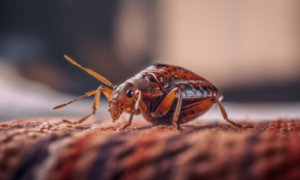
Bed Bug Warning Signs Every Traveler Should Recognize
Travel creates opportunities for bed bugs to move from hotels, rentals, dorms, and other temporary lodging into luggage, clothing, and personal belongings. These insects do not depend on dirty conditions. They are skilled hitchhikers that settle close to sleeping and resting areas, where they can remain hidden in mattress seams, furniture joints, baseboards, flooring cracks, and wall voids. Recognizing early warning signs can reduce the chance of carrying an infestation home. Professional bed bug control is most effective when activity is identified accurately, the affected areas are mapped, and treatment reaches every life stage. Travelers who know what to look for can report concerns sooner and avoid moving belongings in ways that spread hidden insects. Check Sleeping Areas Before Unpacking The first inspection should happen before clothing, bags, or personal items are spread throughout the room. Bed bugs often stay close to where people sleep, especially when an infestation is still limited. A quick visual check can reveal evidence that deserves closer attention. Look for: Travelers should remember that visible evidence may represent only part of the infestation. Guidance on professional pest inspection explains why trained technicians look beyond the first visible sign and evaluate hidden areas, adjacent rooms, and movement patterns before choosing treatment. Watch For Clues That Appear After The Stay Not every warning sign is noticed immediately. Bed bugs may remain hidden during the day, and bite reactions vary widely between people. Some travelers develop marks later, while others may not react at all. Bites alone therefore cannot confirm a bed bug problem. More useful clues include: Luggage deserves particular attention because bed bugs can hide inside zippers, seams, pockets, and folds. Moving an infested suitcase from room to room can increase the chance that insects spread before the source is recognized. If evidence appears after returning home, avoid shifting belongings unnecessarily. Professional evaluation can help determine whether the problem is localized or whether bed bugs have already moved into surrounding spaces. Professional Bed Bug Control Reaches Hidden Activity Bed bugs are difficult to eliminate because adults, nymphs, and eggs can occupy narrow spaces that are easy to miss. Treating only the mattress or the room where bites were noticed can leave hidden activity elsewhere. Professional service may include: The value of professional bed bug treatment is that it combines detailed inspection, whole-home planning, measured heat, structured preparation, and post-treatment monitoring. Specialized heaters and air-moving equipment are used to distribute heat throughout treated spaces, while technicians monitor temperatures to help eliminate adults, nymphs, and eggs. Preparation matters just as much as the treatment method. Moving furniture, carrying loose belongings through the home, or discarding items without containment can spread bed bugs into areas that were not previously affected. For travelers, prevention begins with awareness. Keep luggage organized, inspect the sleeping area before settling in, and pay attention to unusual spotting, shed skins, or live insects. After returning home, stay alert for new evidence near sleeping areas or luggage-storage zones. Bed bugs are especially challenging because they can remain hidden while the infestation develops. A quiet period does not always mean the problem has disappeared, and a few isolated signs should not be dismissed when they recur. Follow-up monitoring helps determine whether treatment was successful or whether new introductions have occurred. Professional bed bug control also reduces guesswork. Instead of treating every bite or mark as proof of bed bugs, technicians confirm the pest, identify the boundaries of activity, and recommend the treatment that fits the findings. Travel does not have to result in a home infestation, but early recognition makes a major difference. The sooner suspicious evidence is identified and evaluated, the easier it is to prevent hidden bed bugs from spreading through luggage, furniture, and multiple rooms. Bring Home Memories, Not Bed Bugs If you return from travel and notice spotting, shed skins, live insects, or other bed bug warning signs, contact Greenville Pest Control for professional inspection, whole-home treatment planning, monitored heat service, and follow-up support.

Why Professional Pest Control Outperforms DIY Solutions
Pest problems often look simpler than they really are. A few ants, a cockroach, attic scratching, or mosquitoes around the yard may seem easy to handle. The difficulty is that visible pests rarely show the full infestation. Professional pest control is built around inspection, identification, targeted treatment, and follow-up. In Greenville, ants, cockroaches, spiders, rodents, mosquitoes, fleas, ticks, stinging insects, termites, bed bugs, and birds can all create different problems. Each pest responds to different conditions, and effective treatment depends on understanding those differences rather than applying the same solution everywhere. Professional Identification Prevents Guesswork One of the biggest limitations of DIY pest treatment is misidentification. Homeowners may treat every ant, roach, or stinging insect as though it behaves the same way, but species can differ in nesting habits, food preferences, travel routes, and treatment response. Using the wrong product or placement may reduce visible activity without reaching the source. Professional inspection can help identify: Small problems can also expand faster than expected. Understanding how minor infestations grow helps explain why early identification is so important. A treatment that only reaches visible pests may leave colonies, nests, eggs, or breeding sites untouched. Professionals use evidence to decide what needs treatment and whether monitoring or exclusion is also needed. Targeted Treatment Reaches More Than Visible Pests DIY products often focus on pests that are already visible. Professional treatment looks for hidden areas supporting those sightings. Ant colonies may be outside or inside wall voids, cockroaches may cluster near plumbing and appliances, rodents can travel through attics and crawl spaces, and termites can feed inside structural wood without obvious surface damage. A targeted professional plan may include: Precision matters because unnecessary treatment does not improve results. Professionals select methods according to pest biology, infestation level, building conditions, and where people or pets spend time. This approach can reduce repeated product use. Instead of applying another spray whenever activity returns, technicians can look for the reason the pest came back. Moisture, food, shelter, structural gaps, or seasonal movement may all need attention before long-term control is possible. Follow-Up Addresses The Conditions That Bring Pests Back Another major advantage of professional service is follow-up. Pest pressure changes as temperatures, rainfall, humidity, food sources, and outdoor shelter change. Greenville’s warm summers, steady humidity, rainfall, mild winters, and seasonal transitions can keep different pests active for much of the year. Professional follow-up may include: Understanding seasonal pest patterns is especially useful because one quiet period does not necessarily mean a problem is gone. Summer humidity may intensify mosquitoes and cockroaches, while cooler weather can push rodents indoors. Termites, ants, fleas, ticks, spiders, bed bugs, and stinging insects also respond differently as conditions change. DIY treatment usually ends when the visible pest disappears. Professional pest control asks whether the underlying conditions have changed enough to prevent the next wave of activity. That distinction is important for long-term results. A homeowner might repeatedly treat ants without realizing that moisture near the foundation is sustaining them, or remove a few mice without finding the garage gap they are using. Similarly, killing visible cockroaches does not necessarily reach hidden egg cases or harborages. Professional service also provides a clearer basis for deciding when no treatment is needed. Not every isolated sighting indicates a major infestation. Inspection can separate occasional activity from a larger pattern, which helps avoid unnecessary product use. Strong pest-management programs combine identification, targeted treatment, environmental correction, exclusion, monitoring, and follow-up. DIY products can appear convenient because they are immediately available, but they do not replace the training needed to interpret pest evidence and choose the right response. A professional approach is more comprehensive because it treats the property as a system. Food, moisture, landscaping, building access, weather, and pest behavior are evaluated together. That broader perspective helps reduce repeat infestations and gives homeowners a more reliable path to long-term protection. Replace Guesswork With A Smarter Pest Plan If recurring pest activity is becoming difficult to control, contact Greenville Pest Control for professional pest control focused on inspection, targeted treatment, prevention, and year-round follow-up.

How To Keep Mosquitoes Away Even When Summer is Almost Over
As summer winds down in Greenville, mosquito activity does not necessarily disappear with the calendar. Warm afternoons, humid evenings, late-season rain, and shaded moisture can keep mosquito populations active well into early fall. That means homeowners may still notice biting activity around patios, porches, lawns, and other outdoor spaces even after the hottest part of summer has passed. Effective mosquito control focuses on more than the mosquitoes you see. Adult mosquitoes rest in protected vegetation, while eggs and larvae develop where water collects. A professional approach looks at both stages, along with the property conditions that allow populations to rebuild after treatment. Understanding those patterns can help homeowners recognize why late-season mosquito pressure sometimes lingers longer than expected. Why Late-Summer Mosquito Activity Can Continue Greenville’s climate can stay warm and humid after peak summer, giving mosquitoes enough favorable weather to remain active. Rainfall and irrigation can also create small breeding areas that are easy to overlook. Even when daytime temperatures begin to ease, shaded areas may stay warm and damp enough to support resting adults and developing larvae. Late-season conditions that can keep mosquitoes active include: Small mosquito problems can also grow quickly when favorable conditions remain in place. A closer look at why minor pest activity can expand helps explain why recurring mosquito pressure should not be treated as a one-time nuisance. Professional mosquito control usually considers both adults and immature stages. Treating only one part of the life cycle can leave the property vulnerable to another wave of activity as new mosquitoes emerge. Standing Water And Resting Areas Matter Most Mosquitoes depend on water to reproduce, but the amount required can be surprisingly small. A shallow collection in a forgotten container or clogged drainage point may be enough to support development. At the same time, adult mosquitoes spend much of the day resting in shaded, protected areas before becoming more active around dusk. Important areas that deserve attention include: Professional treatment can target common adult resting zones while also addressing puddling where mosquito eggs and larvae may be present. This combined strategy is more efficient than reacting only to bites or visible mosquitoes. Greenville-area mosquito service may also continue into October because local conditions can support activity through early fall. That seasonal timing is important. Homeowners may assume mosquito season is ending just as lingering heat and rain create another period of favorable conditions. Entry Areas And Outdoor Movement Still Need Attention Mosquitoes are primarily an outdoor pest, but they can enter homes and businesses through open doors, damaged screens, or frequently used access points. Late summer and early fall often bring more evening activity outdoors, which increases the number of opportunities for mosquitoes to follow people inside. Conditions that can contribute to indoor mosquito encounters include: Understanding common pest entry points also helps place mosquito activity in a broader property context. Entry points matter most when outdoor conditions are already drawing pests toward the structure. The larger challenge is that mosquito pressure can rebuild quickly when breeding water, resting areas, and warm weather remain present at the same time. That is why long-term mosquito control depends on monitoring conditions rather than assuming one treatment will carry a property through the rest of the season. Professional service can adjust to rainfall, temperature, and changing activity from one visit to the next. Technicians can focus on grasses, shrubs, shaded zones, and water-holding areas where mosquito pressure is most likely to persist. That property-specific approach also helps distinguish a temporary spike after rain from a recurring pattern that needs continued attention. Late-season mosquito control is ultimately about timing. Waiting for the first cool week does not guarantee mosquitoes are finished for the year. If warm evenings and moisture continue, populations may remain active until conditions become consistently less favorable. Staying aware of those shifts can make outdoor spaces more comfortable while reducing the chance that mosquito activity carries deeper into fall. Keep Late-Season Mosquitoes From Lingering If mosquitoes are still active around your yard as summer ends, contact Greenville Pest Control for professional mosquito control focused on adult mosquitoes, breeding areas, and continued late-season pressure.
