

Fast
Local Service

Satisfaction Guaranteed
Fast
Local Service
Satisfaction Guaranteed

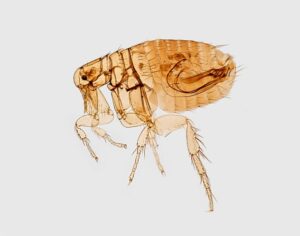
Common Causes Of Flea And Tick Infestations At Home
A flea and tick infestation rarely begins with one obvious event. More often, it builds quietly through pets, wildlife, shaded yard conditions, and indoor areas where pests keep developing unnoticed. Fleas may settle into carpets, rugs, furniture, and pet bedding, while ticks often stay closer to lawns, fence lines, brush, and wooded edges. Understanding what draws them in explains why a one-time reaction is rarely enough for long-term relief. Pets Carry Pests Indoors Pets are one of the most common ways fleas and ticks reach a home. Dogs and cats move through grass, trails, patios, and shaded corners where these pests wait for a host. Once they hitchhike indoors, fleas can lay eggs in places pets rest often. This is why pet activity should be viewed as part of the property’s larger pest picture. Professional inspection helps connect indoor signs with outdoor conditions. Wildlife And Rodents Around The Property Fleas and ticks do not depend only on household pets. Mice, rats, squirrels, raccoons, skunks, deer, birds, and other wildlife can carry them across a property. When these animals pass through yards, crawl space openings, sheds, porches, or fence lines, fleas, eggs, or engorged ticks may drop into the environment. Rodents can create repeated pressure around a structure, especially when gaps, clutter, food sources, or sheltered nesting areas are present. Properties with frequent wildlife movement may experience recurring issues even when pets are maintained carefully. As explained in discussions about summer flea activity, warmer seasons can make outdoor sources more noticeable because host animals are more active. A careful service approach looks beyond the bite and considers how pests are being introduced. Yard Conditions That Give Fleas And Ticks Shelter Outdoor conditions often decide whether a small pest issue becomes a larger home concern. Fleas and ticks prefer shade, moisture, cover, and access to passing hosts. A dry, open lawn may be less inviting than a yard with dense growth, leaf buildup, and protected edges. These conditions can feel like normal yard features. However, when they sit close to doors, patios, pet areas, or crawl space access points, they can help pests move closer to the home. Professional flea and tick service works best when it considers both visible pest pressure and environmental factors. Warm Weather Speeds Up Activity Seasonal weather plays a major role in flea and tick pressure. Warm temperatures and humidity can help fleas develop more quickly, while ticks become more active in grass, brush, and shaded outdoor areas. In South Carolina, this makes spring and summer important seasons for monitoring. Fleas are especially concerning because they can complete their life cycle indoors after being introduced. A few adults may not seem alarming, but eggs can fall into carpet fibers, furniture seams, and pet bedding. By the time bites become frequent, the infestation may already include multiple life stages. Ticks behave differently. They are more likely to remain outdoors, waiting in vegetation until a host brushes past. They can still be carried inside on clothing or pets. This is why articles about warmer-month spikes are relevant for homeowners who notice problems returning at the same time each year. Seasonal timing often reflects biology, weather, host movement, and untreated outdoor harborage working together. Hidden Indoor Areas Let Fleas Continue Once fleas enter a home, the problem can become harder to see and harder to stop. Adult fleas are only one part of the issue. Eggs, larvae, and pupae can settle into protected indoor spaces where they are not always reached by quick cleaning or surface-level treatments. This hidden development is one reason a flea and tick infestation can seem to disappear and then suddenly return. Visible adults may be reduced, but the next stage can continue emerging if the full environment is not addressed. A professional evaluation helps determine whether the issue is indoors, outdoors, pet-related, wildlife-related, or a combination. Keep Your Home Comfortably Protected For careful inspection, targeted treatment, and practical prevention support, contact Greenville Pest Control for help managing flea and tick concerns.

Why Flea And Tick Problems Increase During Summer
Summer changes the way outdoor pests behave around Greenville homes. Heat, humidity, shaded lawns, pet activity, and wildlife movement can all help fleas and ticks become more active. These pests are small, but their impact can feel large once they begin moving between yards, pets, and indoor resting areas. Flea and tick problems often increase because summer gives them the conditions they need to survive and spread. Grass stays warmer, shaded soil holds moisture, and outdoor activity rises. Pets spend more time outside, children use the yard more often, and open doors can make the boundary between outdoor and indoor spaces easier for pests to cross. Effective flea and tick control starts with understanding those seasonal conditions before activity becomes difficult to manage. Warm weather speeds up pest activity Fleas and ticks respond strongly to summer conditions. Fleas can develop faster in warm, humid environments, while ticks become more active in grass, brush, and shaded areas where passing hosts are likely. This is why a yard that looked quiet in spring may suddenly seem uncomfortable during the hottest months. Greenville’s warm-weather season can also support other pests listed in local pest control services, including cockroaches, spiders, ants, bed bugs, termites, rodents, and birds. When multiple pests find food, water, or shelter near the same property, outdoor conditions can become more complex. A closer look at warm-month spikes shows why these infestations often rise when temperatures stay high. Yards create protected hiding places Fleas and ticks do not spread evenly across every part of a yard. They often concentrate where shade, moisture, and host activity overlap. Fence lines, tree bases, mulch beds, crawl-space edges, porch steps, and pet-resting spots can all become high-activity areas. Overgrown grass and leaf debris can also create low-disturbance spaces where pests avoid direct sunlight. This is one reason general observation can be misleading. A homeowner may not see pests in open lawn areas, but activity may still be present in cooler corners or along travel paths used by pets and rodents. Professional inspection helps identify where pests are most likely to develop and how surrounding conditions support them. Pets and wildlife increase the spread Pets are often the first sign of a flea or tick concern, but they are not always the source. Dogs and cats can pick up pests from the yard, but rodents, birds, and other wildlife can also carry them onto the property. Once fleas or ticks are introduced, they may continue cycling through shaded areas, bedding zones, carpets, and upholstered spaces. Rodent and bird activity matters because these animals can create movement patterns that bring pests closer to homes. If a yard offers shelter, food, water, or nesting opportunities, animal traffic may increase. That traffic can keep flea and tick pressure active even when the most obvious symptoms appear indoors. Consistent service helps reduce recurring problems Flea and tick issues can become frustrating when treatment focuses only on the visible symptom. Summer pressure changes with rainfall, heat waves, mowing schedules, pet routines, and nearby wildlife activity. A one-time response may not address where pests are developing or why they keep returning. A steady pest control approach reviews the property as a connected environment. It considers the yard, foundation, shaded areas, pet zones, crawl-space edges, and possible host movement. This kind of planning can also support broader protection against cockroaches, spiders, ants, bed bugs, termites, rodents, and birds when those concerns are present. Homeowners looking for a smarter way to manage expenses may benefit from cost-saving prevention, because early attention often helps reduce larger, more stressful problems later. Long-term service means watching seasonal patterns, adjusting service when conditions change, and focusing on the parts of the property where pests are most likely to survive. For fleas and ticks, that consistent rhythm is especially important during summer. Make Summer Outdoor Spaces Feel Safer For a safer, more comfortable home through every season, contact Greenville Pest Control for professional pest protection against fleas, ticks, cockroaches, spiders, ants, bed bugs, termites, rodents, birds, and more
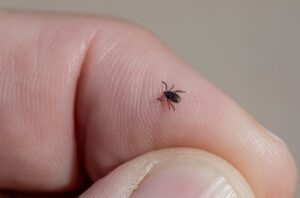
Why Flea And Tick Infestations Spike In Warmer Months
Fleas and ticks become more noticeable as warmer months arrive because heat, humidity, pets, wildlife movement, and outdoor activity all begin working together. In Greenville, warm conditions can stretch pest activity across a longer season, which gives fleas and ticks more time to feed, reproduce, and spread through yards, shaded areas, pet resting spots, and indoor spaces. Flea and tick control is not only about reacting after bites appear. These pests can move quietly through grass, carpets, bedding, baseboards, and animal pathways before a household realizes the infestation has taken hold. The same seasonal conditions that increase fleas and ticks can also raise pressure from ants, mosquitoes, cockroaches, spiders, rodents, bed bugs, termites, and birds around homes and businesses. A professional plan helps identify the source, reduce favorable conditions, and prevent repeated outbreaks. Warm Weather Speeds Up Flea And Tick Activity Fleas and ticks respond strongly to temperature. When conditions warm up, they become more active outdoors and more likely to reach pets, people, and sheltered spaces. Fleas can develop quickly in warm areas, especially where animals rest. Ticks wait in vegetation and attach to passing hosts, including pets, rodents, birds, and people. Common warm-weather triggers include: Because fleas and ticks spread through overlooked areas, visible activity is rarely the full issue. Professional inspection helps determine where pressure is starting and how far it has moved. Greenville Humidity Can Extend Tick Pressure Greenville’s humidity creates conditions that help ticks avoid drying out. Ticks depend on moisture-rich environments to stay active. Shaded lawns, wooded edges, overgrown plants, and damp resting areas can support continued tick presence, especially when warm weather continues for weeks. This guide on humidity tick control explains why local moisture patterns make prevention more important than occasional yard attention. A property may look tidy while still offering protected spots where ticks can wait for a host. Fleas can also thrive where pets rest, especially on porches, in shaded yard areas, and inside soft indoor surfaces. If rodents or birds are present, pest pressure can become more complicated because these animals may carry fleas or ticks into new zones. Mosquitoes, ants, cockroaches, spiders, termites, bed bugs, and other pests can also use moisture, gaps, or clutter. Infestations Often Begin Before Bites Are Obvious A flea or tick problem usually starts before a person notices bites. Fleas may lay eggs in pet bedding, carpets, furniture edges, or cracks near floors. Ticks may remain outside until pets or people carry them closer to living areas. By the time activity becomes obvious, several stages of the pest life cycle may already be present. Early warning signs include: These signs deserve attention because fleas and ticks are difficult to control when the source is scattered. Treating one visible area may not reach eggs, larvae, shaded outdoor zones, or host pathways. Professional service helps connect indoor and outdoor conditions for long-term relief. Long-Term Prevention Works Better Than Seasonal Guesswork Warmer months bring predictable pressure, but each property has different risk points. Some homes have pets that spend time outside. Others have shaded yards, crawlspace concerns, nearby trees, bird activity, or rodent movement. A long-term pest control plan looks at these patterns instead of waiting for pests to appear. This resource on long-term prevention shows why consistent service helps reduce recurring pest problems. Flea and tick control works best when inspections, treatments, habitat reduction, and follow-up are aligned. Effective prevention may involve: Fleas and ticks spike in warmer months because the environment supports their survival, movement, and reproduction. When humidity, hosts, shaded areas, and household activity overlap, small pest issues can spread quickly. Professional planning gives homeowners a clearer path to controlling active problems and reducing the chance of another seasonal outbreak. Keep Warm-Weather Pest Pressure Under Control Fleas and ticks are easier to manage when prevention begins before activity spreads through yards and indoor spaces. For dependable flea and tick control and broader pest control support, contact Greenville Pest Control.

How To Reduce Pest Control Costs Effectively
Many homeowners wait until pest activity becomes severe before seeking help, but delayed action often leads to more expensive treatment needs later. Ants, termites, cockroaches, rodents, spiders, mosquitoes, fleas, ticks, and other pests usually become more difficult to manage once infestations spread deeper into the property. Long-term savings often come from prevention, early detection, and consistent property maintenance rather than relying only on emergency treatments. Effective pest control focuses on reducing the conditions pests depend on for survival. Moisture, shelter, food access, structural openings, and seasonal environmental changes all influence how pests behave around homes. Understanding these factors can help property owners lower long-term pest-related expenses while protecting the home more effectively. Prevention Usually Costs Less Than Large Infestations One of the most effective ways to reduce pest control costs is to prevent infestations before they grow. Smaller pest issues are generally easier to manage because pests have not yet established widespread nesting areas or hidden structural activity. When homeowners delay inspections, pests may spread into attics, wall voids, crawl spaces, insulation, and outdoor harborage areas where treatment becomes more extensive. Termites, rodents, cockroaches, and ants are especially known for expanding quietly before visible activity becomes severe. Long-term prevention strategies often help reduce repeated service costs by targeting the environmental conditions attracting pests in the first place. Homeowners interested in maintaining stronger protection throughout the year can review these preventative home strategies for additional guidance on reducing recurring pest pressure. Address Moisture And Structural Problems Early Pests often thrive where moisture and structural vulnerabilities remain untreated. Small plumbing leaks, damaged weather-stripping, poor drainage, and foundation gaps can create ideal conditions for insects and rodents to remain active close to the home. Repairing these conditions early often reduces the need for larger treatments later. Moisture management is especially important because many pests rely heavily on humid or protected environments for nesting and survival. Professional inspections help identify these vulnerabilities before infestations spread further throughout the property. Treating pests without correcting the surrounding conditions may only provide temporary improvement while allowing activity to return later. Seasonal Planning Helps Reduce Repeated Treatments Pest activity changes throughout the year, which means prevention efforts should adapt accordingly. Spring, summer, fall, and winter each create different pest pressures depending on temperature, moisture, and outdoor conditions. Planning for seasonal pest pressure often helps reduce emergency service calls and unexpected infestations. Consistent prevention allows professionals to identify developing activity before pests fully establish themselves inside the home. Homeowners who rely only on one-time treatments may overlook changing pest patterns caused by weather shifts or seasonal movement. More information about year-round prevention planning can be found through these seasonal prevention methods designed to support consistent property protection. Professional pest control programs often become more cost-effective long-term because they focus on prevention and monitoring rather than reacting only after infestations grow severe. DIY Solutions Often Lead To Repeated Costs Many homeowners initially choose store-bought sprays, traps, or foggers to reduce expenses, but surface-level treatments often fail to address the underlying infestation. Repeated purchases, incomplete treatments, and delayed inspections may eventually increase overall costs while pests continue spreading unnoticed. Professional pest control focuses on species identification, inspection, and targeted treatment planning rather than temporary surface reduction alone. This broader approach often helps reduce repeat infestations while protecting structural areas from additional damage. Long-term savings usually come from addressing the source of the problem early instead of repeatedly treating visible symptoms without solving the underlying cause. Protect Your Home While Managing Long-Term Costs Reducing pest control costs effectively depends on prevention, early inspections, moisture management, and consistent seasonal monitoring throughout the property. Small pest issues often become more expensive once infestations spread into hidden structural areas or outdoor harborage zones. Professional pest control helps identify these risks early while supporting stronger long-term prevention and fewer recurring infestations over time. For professional inspections and long-term pest prevention support, contact Greenville Pest Control.

Long-Term Pest Prevention Strategies For Greenville Homes
Pest problems rarely begin overnight. In many Greenville homes, infestations develop gradually as insects and rodents find reliable access to food, moisture, and shelter throughout the property. A few ants near the kitchen, occasional scratching sounds in the attic, or increased mosquito activity outdoors may seem minor at first, but those warning signs often point toward larger environmental conditions supporting pest activity. That is why long-term pest prevention matters. Instead of reacting only after infestations spread, preventive pest control strategies focus on reducing the conditions that attract pests in the first place. This broader approach often provides stronger and more consistent protection over time. Greenville’s changing seasons, moisture levels, and warm climate create favorable conditions for several common pests throughout the year, including termites, ants, spiders, mosquitoes, rodents, cockroaches, fleas, and stinging insects. Long-term prevention helps reduce the likelihood of recurring activity as those environmental conditions shift seasonally. Why Pests Continue Returning To Homes Many recurring infestations happen because the conditions attracting pests remain unchanged. Even after visible activity temporarily decreases, pests may continue nesting in hidden areas if moisture, shelter, or food access remain available nearby. Several environmental factors commonly contribute to ongoing infestations: Pests often remain hidden inside crawl spaces, wall voids, attics, garages, and landscaping areas before spreading further indoors. Because infestations frequently develop gradually, long-term pest control strategies usually focus on prevention and monitoring instead of surface-level treatment alone. Why Routine Inspections Matter Routine inspections play an important role in long-term pest prevention because they help identify hidden concerns before infestations become more severe. Professional evaluations often focus on environmental conditions contributing to pest activity rather than only visible signs of infestation. Several areas commonly receive attention during inspections: Seasonal conditions also influence inspection priorities throughout the year. Warmer temperatures may increase mosquito and ant activity, while cooler weather often drives rodents indoors searching for shelter. Homeowners preparing for seasonal pest changes may benefit from reviewing these common spring pests frequently seen throughout Greenville neighborhoods. Routine monitoring often helps detect activity early before infestations spread into multiple areas of the property. Why Moisture Control Supports Long-Term Prevention Moisture is one of the most important factors influencing pest activity around residential properties. Many pests depend on damp conditions to survive, reproduce, or remain sheltered from outdoor weather. Reducing moisture problems may help lower long-term infestation risks throughout the home. Several moisture-related conditions commonly attract pests: Long-term pest prevention often includes identifying the moisture sources contributing to recurring activity alongside treatment planning. This environmental focus helps reduce the likelihood of repeated infestations instead of relying only on temporary solutions after visible pests appear indoors. Why Customized Service Plans Improve Results Different homes experience different pest pressures depending on location, landscaping, structural conditions, and surrounding environmental factors. That is why customized pest control strategies often provide more consistent long-term protection. Some properties may experience seasonal mosquito activity outdoors, while others face recurring termite concerns or rodent intrusion during colder months. Several factors influence long-term service recommendations: Many homeowners also evaluate different service schedules depending on the level of pest activity surrounding the property. Understanding these service frequency options may help clarify how long-term prevention plans support ongoing protection. The goal of preventive pest control is not simply reacting to infestations after they appear. It is creating a long-term strategy designed to reduce future pest pressure before activity becomes more difficult to manage. Why Prevention Creates More Stable Protection Pest infestations often become harder to control once populations spread through hidden areas of the home. Rodents may contaminate storage spaces, termites may damage structural wood, and cockroaches may remain hidden behind walls long before visible signs become obvious. That is why long-term pest prevention remains one of the most effective ways to protect Greenville homes throughout changing seasons and environmental conditions. Early inspections, moisture management, monitoring, and targeted prevention strategies often help reduce recurring infestations over time. Building A Stronger Long-Term Defense Professional inspections can help identify the conditions contributing to recurring infestations and support more effective long-term pest control strategies. Contact Greenville Pest Control to learn more about customized pest prevention solutions for residential properties.
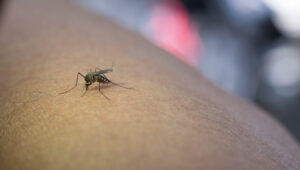
Mosquito Control Tips For Greenville Outdoor Living Spaces
Outdoor living in Greenville offers a mix of comfort and connection with nature, but mosquitoes can quickly disrupt that experience. These pests are more than a nuisance. They thrive in warm, humid environments and can turn even a well-designed yard into an uncomfortable space. Understanding how mosquito activity develops is the first step toward maintaining a more enjoyable outdoor setting. A well-informed mosquito control approach considers how these insects behave, where they gather, and what conditions allow them to multiply. Effective strategies are rarely about quick fixes. Instead, they focus on consistent, property-wide adjustments that reduce breeding opportunities and limit exposure over time. Understanding Mosquito Activity In Greenville Environments Mosquito populations in Greenville tend to increase during warmer months, especially after rainfall. These conditions create ideal breeding grounds, particularly in areas where water collects and remains undisturbed. While mosquitoes are the primary concern for outdoor comfort, other pests such as ants, cockroaches, spiders, termites, rodents, and occasional invaders can also affect the overall condition of a property. Mosquito control becomes more effective when it is viewed as part of a broader pest management effort. Outdoor environments that attract one type of pest often support others as well. This interconnected activity means that controlling one issue can help reduce additional pest pressure across the property. Common Mosquito Breeding Areas To Address Reducing these conditions plays a major role in limiting population growth. However, even well-maintained properties can still experience mosquito activity due to surrounding environmental factors. Landscape Adjustments That Support Mosquito Control These adjustments contribute to a more balanced outdoor environment. They reduce the conditions that mosquitoes rely on, but they do not eliminate the problem entirely. External factors such as neighboring properties and seasonal weather patterns can still introduce new activity. For additional insight into seasonal mosquito patterns, understanding how to reduce populations during peak months can be helpful. This is explored further in spring mosquito prevention, where timing and environmental awareness play a key role. Why One-Time Solutions Often Fall Short Mosquito control is not a one-time process. These pests reproduce quickly, and new populations can develop within days under the right conditions. Temporary solutions may reduce activity for a short period, but they rarely address the underlying factors that allow mosquitoes to return. Long-term mosquito control requires consistency. This includes monitoring breeding areas, adjusting environmental conditions, and applying targeted treatments when necessary. Without a structured approach, even well-maintained outdoor spaces can experience recurring issues. The same principle applies to broader pest management. Consistency often determines whether a property remains manageable or becomes increasingly difficult to control. This concept is also discussed in ongoing pest service plans, where frequency and consistency play a major role in maintaining results. When Professional Mosquito Control Becomes Necessary Professional mosquito control focuses on identifying these underlying conditions and applying targeted solutions that address both current activity and future risk. This approach goes beyond surface-level treatment and considers how the entire property functions as an ecosystem. Building A More Comfortable Outdoor Space Over Time Creating a comfortable outdoor environment in Greenville requires a balanced approach. Mosquito control is not just about reacting to activity. It involves understanding patterns, making strategic adjustments, and maintaining consistency throughout the year. While property maintenance plays a critical role, there are limits to what can be achieved through surface-level changes alone. Environmental factors, seasonal shifts, and surrounding conditions all influence mosquito presence. Addressing these elements often requires a more structured and informed approach. Take Back Your Outdoor Space With Confidence For those looking to maintain a more comfortable outdoor environment without the frustration of recurring mosquito issues, professional support can provide clarity and long-term direction. Reach out to Greenville Pest Control to explore solutions designed to support consistent mosquito control across your property.
