

Fast
Local Service

Satisfaction Guaranteed
Fast
Local Service
Satisfaction Guaranteed

Why Termite Damage Often Goes Unnoticed For Months
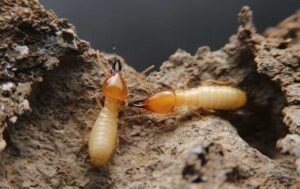
Termites can feed inside a home for months before obvious damage appears. Subterranean termites live in underground colonies and travel through protected routes into wood, while most of their activity remains concealed behind walls, beneath floors, around crawl spaces, or near foundations. A surface may still look intact even when galleries have developed underneath it. That hidden behavior is why termite control depends on careful inspection rather than visible insects alone. Early evidence can be subtle, scattered, or mistaken for moisture damage, ordinary wear, or another household issue. Recognizing patterns gives homeowners a better chance to respond before structural materials become more difficult and costly to repair. Termites Feed Where People Rarely Look Subterranean termites avoid open, dry conditions. They remain inside soil, mud tubes, and wooden materials where moisture and shelter protect them while they move between the colony and a food source. Early activity may be found around: Because these locations are not examined during ordinary household routines, termites can continue feeding without creating an immediate surface change. A professional inspection follows the evidence into less-visible parts of the structure. Surface Changes Can Resemble Other Problems Termite damage does not always announce itself with a dramatic collapse or a large group of insects. Early changes may look like humidity, aging paint, a plumbing leak, or normal settling. This is one reason repeat treatment problems occur when the response focuses on a visible symptom instead of the hidden source. Treating one damaged spot cannot confirm whether termites are still traveling from soil, feeding elsewhere, or using another concealed route. Wood may sound hollow when tapped, paint can bubble, trim may become easier to dent, and floors may feel slightly uneven. Each sign needs context because moisture damage, decay, and construction issues can produce similar symptoms. Accurate identification prevents assumptions from guiding the treatment plan. Swarmers May Be the First Obvious Warning Winged termites, known as swarmers, leave established colonies to reproduce. Homeowners may find them near windows, doors, garages, patios, or light sources, sometimes after warm and humid conditions. Warning signs linked to swarming include: Swarmers do not reveal the exact size or location of a colony, but indoor activity can suggest that termites are established within or very close to the structure. A termite control inspection can distinguish termite swarmers from flying ants and check nearby wood and soil access points. Summer Swarms Can Point to Established Activity Warm-season swarming often attracts attention because the insects appear suddenly, yet the colony producing them may have been developing for years. The swarm is a reproductive event, not necessarily the beginning of the infestation. A closer look at summer termite swarms explains why discarded wings, indoor swarmers, mud tubes, moisture, and wood changes should be considered together. One clue may be inconclusive, but several related signs can indicate a hidden problem that deserves professional evaluation. Inspection timing matters because swarm evidence can disappear quickly. Wings may be swept away, insects may leave, and the home can look quiet again while worker termites remain protected inside soil and wood. Documenting where activity occurred helps guide a more focused inspection. Professional Inspection Defines the Extent of Damage The main challenge with termites is not only finding them. It is determining whether evidence is active, how termites are entering, which materials are affected, and what conditions continue to support the infestation. A thorough assessment may include: Professional termite control connects inspection findings with a property-specific response. Treatment may address active routes and colony access, while moisture correction, wood-contact reduction, and follow-up monitoring help reduce continued risk. Waiting for severe damage can make the infestation harder to define because several structural areas may already be involved. Early evaluation provides a clearer picture before cosmetic changes become major repair concerns. It also helps homeowners avoid replacing visible wood while hidden activity remains elsewhere. Bring Hidden Termite Activity Into the Open Hollow wood, discarded wings, mud tubes, or unexplained surface changes deserve careful attention. Contact Greenville Pest Control for professional termite control based on detailed inspection, targeted treatment, and long-term protection.

How To Protect Pets From Fleas And Ticks This Summer
Summer gives pets more time outdoors but increases exposure to fleas and ticks. Warm temperatures, humidity, shaded yards, tall grass, wildlife movement, and frequent outdoor activity can all bring these pests closer to dogs, cats, and the places where they rest. Good protection requires more than reacting after scratching or bites begin. Effective pest control considers pets, indoor resting areas, outdoor harborage, and animal carriers. Keep Pets Away From High-Risk Outdoor Areas Fleas and ticks do not spread evenly across a yard. They tend to concentrate where shade, moisture, vegetation, and passing hosts provide favorable conditions. Dogs and cats can pick them up while walking through grass, resting near shrubs, exploring fence lines, or spending time around porches and patios. Higher-risk areas can include: Summer conditions can intensify several pest problems across the region. A closer look at seasonal pest pressure shows how heat, moisture, storms, and outdoor activity can increase exposure to fleas, ticks, mosquitoes, ants, cockroaches, termites, rodents, spiders, birds, and stinging insects. Check Pets and Their Resting Areas Regularly A pet can carry fleas or ticks indoors without an obvious sign at first. Fleas may remain hidden beneath fur, while ticks can attach in areas that are easy to overlook. Once fleas enter the home, eggs can fall into carpet fibers, furniture seams, pet bedding, and low-traffic corners. Regular checks are important after walks, yard time, boarding, grooming visits, or trips through wooded and grassy areas. Pay particular attention to the ears, neck, legs, paws, and other protected areas where ticks may attach. Pet bedding, blankets, crates, and favorite sleeping spaces also deserve attention. When scratching, bites, or sightings continue, professional inspection can help determine whether the source is indoors, outdoors, pet-related, wildlife-related, or combined. Understand How Fleas and Ticks Reach the Property Pets are not the only carriers. Rodents, birds, and other animals can move fleas and ticks through yards, crawl-space openings, sheds, porches, and fence lines. Pets may encounter parasites even when the immediate lawn appears clean. Common contributors include: One-time treatment of a visible flea or tick does not address conditions that may keep introducing new pests. Long-term protection is stronger when the property is assessed as a connected environment. Do Not Ignore Hidden Indoor Flea Development Fleas are difficult because their life cycle continues beyond the adult stage. Eggs, larvae, and pupae may remain in protected indoor areas, which can make an infestation seem to disappear and return later. This is why the causes of infestations extend beyond one pet or one room. Carpets, rugs, upholstered furniture, pet bedding, floor gaps, and quiet corners can all become part of the problem. A complete response may consider: Professional pest control can help connect these pieces. That broader view matters when visible adults are only one part of an established infestation. Combine Pet Care With Property-Wide Pest Control Protecting pets from fleas and ticks works best when veterinary guidance and property management support each other. Veterinarian-recommended preventive products can help protect the animal directly, while professional pest control addresses environmental conditions around the home and yard. A property-wide plan may involve inspecting shaded lawn edges, pet areas, fence lines, porches, crawl-space access points, and other places where fleas, ticks, rodents, birds, or wildlife activity may overlap. Treatment can then be focused on the areas that actually support pest pressure. This matters during summer because warm weather can speed flea development and increase tick activity in grass, brush, and shaded outdoor areas. Frequent pet movement between indoors and outdoors may also carry pests into resting spaces before anyone recognizes the pattern. The goal is to reduce exposure, identify the source, address hidden development, and monitor conditions that can lead to repeat problems. Professional evaluation becomes especially valuable when pets continue showing signs of exposure or when activity returns despite previous efforts. Keep Summer Adventures Safer for Your Pets Fleas and ticks can follow pets from the yard into the home, making early attention important for long-term protection. Contact Greenville Pest Control for professional pest control focused on careful inspection, targeted treatment, and the conditions affecting your property.
Summer Pest Problems Common Across Upstate South Carolina
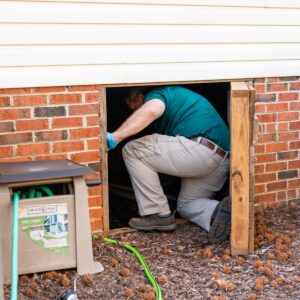
Summer in Upstate South Carolina brings heat, moisture, storms, thick lawns, shaded porches, and steady outdoor activity. Those same conditions can increase pest pressure around homes. Ants may move toward kitchens and patios. Mosquitoes may build around standing water. Fleas and ticks can become more active in yards. Termites may swarm or reveal hidden wood concerns. Cockroaches, spiders, rodents, bed bugs, birds, and stinging insects may also become harder to ignore when food, water, and shelter are easy to find. Professional pest control works best in summer because it connects the visible pest to the conditions supporting it. A few insects near a doorway may point to landscaping, drainage, lighting, trash storage, pet activity, or structural gaps. Inspection helps homeowners understand whether the problem is temporary, seasonal, or likely to keep returning. Moisture Drives Many Summer Infestations Warm weather alone does not explain every pest problem. Moisture is often the stronger driver. Afternoon storms, humid nights, irrigation, clogged gutters, and shaded soil can all create favorable areas for pests. Insects and rodents may settle near damp mulch, crawl-space edges, leaking fixtures, or low spots around the yard. Common moisture-related concerns include: Moisture problems can also hide inside walls, under sinks, or near exterior trim. Professional inspection helps find these support conditions before treatment is planned, making the response more precise. Termite Swarms Should Get Attention Summer termite activity can worry homeowners because swarmers often appear suddenly. Winged termites near windows, doors, lights, porches, or garages may be a sign of nearby activity. Even when the swarm ends quickly, the conditions behind it should not be ignored. Termites can damage wood in hidden areas long before the first visible sign appears. A swarm does not always mean the entire structure is heavily damaged, but it does call for inspection. Professionals look for mud tubes, damaged wood, moisture, soil contact, crawl-space conditions, and other clues that separate termite activity from flying ants or unrelated insects. A guide to termite swarms explains why these signs can reveal more than a brief seasonal nuisance. Because termites can remain hidden, quick surface reactions are not enough. Inspection-based termite service helps determine whether activity is active, old, localized, or connected to a larger structural concern. Fleas, Ticks, And Mosquitoes Affect Outdoor Comfort Upstate summers often bring families, guests, and pets outside. Lawns, shaded beds, trails, parks, patios, and porches can become active zones for biting pests. Fleas and ticks may build up in areas used by pets or visited by rodents and birds. Mosquitoes may gather near moisture and shaded resting spots. Outdoor risk areas include: Homeowners often notice the problem only after bites begin. This overview of flea and tick pressure explains why summer conditions can make these pests more active. Professional service helps evaluate the yard, pet-adjacent areas, and nearby pest conditions rather than treating one symptom alone. Entry Points Turn Outdoor Pressure Indoors Summer pests do not always stay outside. Ants, cockroaches, spiders, rodents, bed bugs, stinging insects, and other listed pests can move indoors through small gaps or arrive through daily routines. Open doors, damaged screens, garage gaps, plumbing lines, vents, and foundation cracks can all allow pests to move closer to living spaces. Indoor warning signs may include: Professional pest control is useful because the indoor clue is rarely the whole issue. A technician can inspect the interior and exterior together, then recommend treatment, entry-point awareness, sanitation adjustments, monitoring, or follow-up based on the pest involved. That broader view is especially important in summer, when several pest pressures can overlap around one home and change after storms. Keep Summer Pest Pressure From Taking Over Summer pest problems across Upstate South Carolina are easier to manage when moisture, entry points, yard conditions, and hidden activity are inspected together. For professional help with ants, cockroaches, spiders, bed bugs, termites, rodents, birds, mosquitoes, fleas, ticks, stinging insects, and seasonal pest control planning, contact Greenville Pest Control.
Why DIY Pest Control Often Leads To Repeat Problems
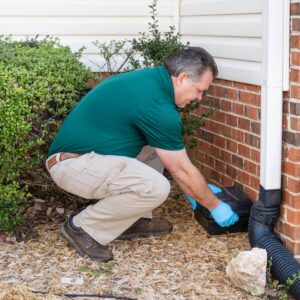
A pest problem rarely begins with the few insects, rodents, or other signs people notice first. Ants crossing a counter, cockroaches near a cabinet, spiders in corners, mosquitoes around doors, fleas or ticks near pets, bird activity around rooflines, or termite concerns in wood can all point to larger conditions around the property. The challenge with diy pest control is that it usually reacts to the visible symptom, not the source. Professional pest control starts by asking what pest is active, where it is coming from, and why the property is supporting it. That difference matters because repeated problems often happen when entry points, moisture, food, shelter, nesting areas, or seasonal pressure remain unchanged. Surface Treatments Miss The Source Many repeat pest problems happen because the first response focuses only on what is seen. Spraying ants on a trail, chasing spiders from corners, or fogging a room after cockroach activity may reduce visible pests for a short time. However, pests usually return when the colony, nest, entry point, or harborage area remains active. Common missed sources include: A professional inspection connects these clues before treatment begins. That helps prevent unnecessary applications and directs service toward the areas where pests are living, feeding, or entering. Without that step, the same pest pressure can reappear days or weeks later. Wrong Timing Can Keep Pests Returning Pest activity changes by season, weather, and life cycle. Fleas and ticks may build up around animal activity and shaded outdoor areas. Mosquitoes can increase around standing water. Cockroaches may stay hidden until conditions are right. Termites may remain concealed while damage continues. Rodents may move indoors when shelter or food becomes easier to access. Timing is one reason recurring service can be more effective than a one-time reaction. Some properties need scheduled monitoring because pest pressure returns with weather changes or business and household routines. For homeowners comparing service frequency, this guide on service timing explains why the right plan depends on pest pressure and property conditions. Professional planning may consider: Repeat problems often grow when timing is treated casually. A single visit may reduce activity, but it may not interrupt the full cycle. Products Alone Do Not Solve Property Conditions Pest control is not just a product decision. It is a property-management decision. Ants, spiders, cockroaches, bed bugs, termites, rodents, birds, mosquitoes, fleas, ticks, and stinging insects all respond to conditions around the structure. If those conditions remain attractive, pests can return even after visible activity is reduced. For example, a cockroach fogger may seem like a quick answer, but it may not reach the tight cracks, wall voids, appliances, moisture areas, and harborage sites where roaches survive. It may also scatter activity instead of resolving it. The limits of that approach are discussed in this article on DIY cockroach foggers, which highlights why roach problems need more than a surface reaction. Professional service looks at the environment. Technicians may recommend sealing entry points, adjusting sanitation, correcting moisture, reducing clutter, improving exterior maintenance, or using targeted treatments. These steps are not separate from treatment. They are part of what makes treatment last longer. Identification And Follow-Up Improve Long-Term Results Pests can leave similar clues. Small droppings may suggest rodents or cockroaches, depending on location and size. Bites may point to fleas, ticks, bed bugs, mosquitoes, or another source. Wood damage may raise termite concerns, but still needs confirmation. Webbing may show spider activity, but it can also point to insects that attract spiders. Accurate identification improves the entire plan. It helps determine where to inspect, what to treat, and when to return. Follow-up is equally important because some pests are not resolved by the first visible reduction. Fleas, ticks, bed bugs, termites, rodents, and cockroaches can involve hidden areas or life stages that require careful monitoring. This is where professional support quietly outperforms trial-and-error service. The goal is not to make the process complicated. It is to prevent wasted effort, repeated costs, and recurring frustration by addressing the reason pests are there. Break The Repeat-Pest Cycle Repeated pest problems usually mean something important was missed: the source, timing, entry point, or property condition. For professional help with ants, cockroaches, spiders, bed bugs, termites, rodents, birds, mosquitoes, fleas, ticks, stinging insects, and related pest concerns, contact Greenville Pest Control.
What Attracts Cockroaches To Greenville Area Homes
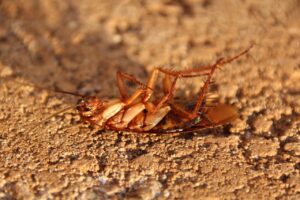
Cockroaches are drawn to Greenville area homes because the local climate often gives them exactly what they need: warmth, humidity, food, water, and protected hiding places. A roach sighting in a kitchen or bathroom may feel like a sudden problem, but the conditions that support activity usually build over time. Moisture near plumbing, crumbs under appliances, outdoor clutter, and small entry points can all help cockroaches settle in before they are seen. Cockroach control is most effective when it begins with the source of the attraction. Greenville homes may also face pressure from ants, spiders, bed bugs, termites, rodents, birds, mosquitoes, fleas, ticks, and stinging insects, so one pest issue can signal broader property conditions. Roaches thrive when they can move quietly between food, water, and shelter. Understanding those triggers helps homeowners recognize when professional inspection and targeted service are needed. Moisture Is One Of The Strongest Attractions Cockroaches need moisture to survive, which is why they often appear near sinks, dishwashers, bathrooms, laundry rooms, basements, crawl-space edges, and utility areas. Greenville’s humidity can make these spaces even more favorable, especially when ventilation is limited or small leaks go unnoticed. Moisture also supports other pests, including mosquitoes, termites, ants, and spiders. When water is part of the problem, surface-level treatment may not be enough. A professional inspection helps identify where humidity, plumbing, and pest movement overlap. Food Residue Keeps Roaches Returning Cockroaches can feed on very small amounts of organic material. Grease, crumbs, pet food, trash residue, cardboard glue, spills, and drain buildup may all support activity. Even clean homes can have hidden food sources behind ovens, refrigerators, pantry shelving, and trash areas. Homeowners trying to manage expenses often benefit from thinking beyond one-time reactions. A guide to cost-saving prevention explains why early attention can help reduce larger pest problems. With roaches, waiting until sightings increase may allow hidden populations to spread into cabinets, wall voids, and utility areas. Professional service looks at feeding zones, not only visible insects. That matters because roaches often feed at night and stay hidden during the day. When daytime sightings begin, activity may already be established. Entry Points Make Indoor Movement Easier Roaches can enter through gaps that look insignificant. Door thresholds, torn screens, utility penetrations, vents, garage seals, foundation cracks, and openings around pipes can all give pests a path inside. Once indoors, roaches may follow wall lines, plumbing routes, and dark corners until they find food and moisture. These same openings can also matter for ants, spiders, rodents, stinging insects, and other household pests. A thorough inspection helps determine whether roaches are coming from outdoors, shared walls, deliveries, drains, or interior hiding areas. Hidden Shelter Helps Infestations Grow Cockroaches prefer tight, dark, protected spaces. They may hide behind appliances, under sinks, inside cabinet voids, near water heaters, behind baseboards, in storage rooms, or around cluttered areas. Greenville’s warm, humid conditions can help these hidden spaces stay comfortable for roaches longer during the year. This is why long-term prevention is important. Roach problems are rarely solved by addressing only the room where they were seen. The larger goal is to reduce access, food, moisture, and shelter across the property. Professional evaluation helps identify whether the activity is isolated or connected to a larger pattern. If roaches have reached multiple rooms, are appearing during the day, or continue returning after short-term efforts, the hidden harborage needs closer attention. Seasonal Pressure Changes Roach Behavior Greenville’s warm seasons can increase roach movement, while heavy rain may push pests toward protected structures. Outdoor activity around mulch, drains, porches, trash areas, landscaping, and crawl-space edges can increase pressure around the home. When conditions outside become too wet, too hot, or too crowded, roaches may move inward. Effective cockroach control considers the whole environment. The plan should account for moisture, sanitation, access points, hidden shelter, seasonal movement, and related pests such as ants, spiders, mosquitoes, termites, rodents, fleas, ticks, stinging insects, birds, and bed bugs. When inspection and treatment are based on evidence, the response becomes more precise, and the chance of recurring activity is reduced. Keep Cockroaches From Settling In For cockroach control that considers Greenville’s humidity, hidden moisture, food sources, entry points, and recurring pest pressure, contact Greenville Pest Control for professional support designed around a cleaner, more comfortable home.
What Summer Termite Swarms May Be Telling You
A summer termite swarm can be easy to misunderstand. Homeowners may see winged insects near windows, porch lights, doors, or crawl space openings and assume they are only temporary outdoor pests. In reality, swarmers are reproductive termites leaving an established colony to start new ones. Their appearance does not always mean active damage is visible, but it does mean the property deserves careful attention. Termite control starts with interpreting what the swarm may be telling you. Swarmers can point to moisture, hidden wood contact, soil access, aging structural gaps, or an active colony near the home. Because termites often work behind walls, under flooring, in crawl spaces, or inside wood members, a swarm may be one of the first obvious clues that professional inspection is needed before the problem grows. Swarmers Signal A Mature Colony Termites swarm when a colony is developed enough to produce winged reproductives. These swarmers leave in groups, usually when temperature, humidity, and weather conditions are favorable. Summer warmth and moisture can create the right conditions for movement, especially after rainfall or in areas with damp soil. A swarm does not show the full colony location by itself. It is a warning sign that should be matched with inspection findings, moisture conditions, and possible entry points around the home. Moisture And Wood Access Increase Risk Termites need moisture and access to cellulose materials. Around Greenville homes, summer humidity, rainfall, shaded crawl spaces, leaky plumbing, clogged gutters, and wood-to-soil contact can create conditions that support activity. Wood piles, damaged trim, damp porch supports, and untreated structural gaps may also raise concern. This is why seasonal pest prevention matters. Termites are not the only pests influenced by weather. Ants, cockroaches, spiders, mosquitoes, rodents, fleas, ticks, bed bugs, birds, and stinging insects can also respond to seasonal changes. Still, termite activity is especially concerning because damage may develop quietly before homeowners notice surface-level signs. Professional evaluation helps connect the swarm to surrounding conditions. Moisture readings, crawl space review, foundation inspection, and wood assessment provide better answers than guessing from one visible swarm. Swarms Can Be Confused With Ants Termite swarmers are often mistaken for flying ants. The difference matters because each pest requires a different response. Ants may be a nuisance or a sign of nearby nesting, but termite swarmers can indicate a wood-damaging colony. Careful identification is one of the most important steps after a summer swarm. Because homeowners may only see a few insects or loose wings, identification can be difficult. A trained technician can confirm what type of pest is present and determine whether the structure needs termite-focused inspection. Hidden Activity Requires A Monitoring Plan A swarm is only one piece of the picture. Termites may be active in areas that are hard to see, including crawl spaces, sill plates, wall voids, subflooring, and hidden wood near moisture sources. Even when swarmers disappear, the colony that produced them may remain active. A structured home monitoring plan helps homeowners track signs across the year instead of reacting only when insects appear. Monitoring can include checking for mud tubes, damaged wood, moisture changes, recurring swarm locations, and conditions that attract other pests such as ants, roaches, rodents, spiders, mosquitoes, fleas, ticks, bed bugs, birds, and stinging insects. Professional monitoring is valuable because termite evidence can be subtle. Early detection supports more accurate treatment planning and helps reduce the risk of long-term structural damage. Treatment Should Match The Evidence Termite control should be based on what the inspection confirms. The right plan may depend on the termite species, colony location, moisture conditions, structural access, and the extent of visible or hidden activity. A one-time response to swarmers may not be enough if the colony remains connected to the structure. Professional service can help determine whether swarmers are coming from nearby outdoor activity or from a source affecting the home. When inspection, treatment, prevention, and monitoring work together, homeowners gain a clearer path toward long-term protection. Protect Your Home Before Damage Spreads For termite control, swarm inspections, moisture-aware evaluations, targeted treatments, and long-term prevention support that helps protect wood, crawl spaces, foundations, and living areas from hidden activity, contact Greenville Pest Control for professional service tailored to your property.
