

Fast
Local Service

Satisfaction Guaranteed
Fast
Local Service
Satisfaction Guaranteed


Should I Go For Bi-Monthly Over Monthly Pest Control
Choosing the right pest control schedule is an important decision for maintaining a consistent and effective defense against unwanted pests. While some homeowners assume that more frequent service always leads to better results, the reality depends on several factors, including pest activity, environmental conditions, and property-specific risks. Understanding the difference between monthly and bi-monthly pest control helps clarify which option aligns better with long-term goals. A well-planned schedule supports prevention, early detection, and consistent management rather than reactive treatment. Understanding How Pest Activity Changes Over Time Pest activity is not constant throughout the year. It shifts based on temperature, moisture levels, and access to food and shelter. This variability is one of the main reasons why a structured pest control schedule is necessary. Common pest patterns include: These pests do not operate on a fixed timeline. Instead, they respond to environmental changes, which makes consistent monitoring essential. A properly timed pest control schedule accounts for these fluctuations and adapts accordingly. Monthly Vs Bi-Monthly Pest Control Explained Monthly and bi-monthly services both aim to maintain control, but they differ in frequency and intensity. Choosing between them depends on the level of pest pressure and the desired level of protection. Key differences include: Monthly service creates a tighter control cycle. It allows for more immediate adjustments when pest activity changes. This can be particularly beneficial in areas where pests remain active throughout the year. Bi-monthly service, on the other hand, still provides regular coverage while reducing the number of visits. When conditions are stable and pest activity is moderate, this schedule can maintain effective control without unnecessary frequency. Factors That Influence The Right Pest Control Schedule Selecting the best pest control schedule requires evaluating specific conditions around the property. Not all homes face the same level of risk, even within the same region. Important factors to consider include: For example, properties near wooded areas or water sources may experience higher pest pressure. In these cases, a monthly schedule may provide more reliable protection. Conversely, homes with minimal activity may benefit from a bi-monthly approach. Seasonal awareness also plays a role. Adjusting service frequency based on changing conditions helps maintain effectiveness throughout the year. This overview of seasonal pest prevention tips explains how timing and environment influence pest control strategies. Why Consistency Matters More Than Frequency Alone While choosing between monthly and bi-monthly service is important, consistency is the factor that ultimately determines success. Even the most frequent service will be less effective if it is not maintained regularly. Consistency provides several advantages: Rather than focusing only on frequency, it is helpful to think in terms of continuity. A consistent pest control schedule ensures that each visit builds on the previous one, creating a layered approach to protection. Developing a structured plan also helps maintain long-term results. This guide on home pest monitoring plans highlights how ongoing tracking supports more effective pest management. Finding The Right Balance For Your Home The decision between monthly and bi-monthly pest control should be based on a balance of risk, convenience, and long-term goals. There is no single answer that applies to every property. In general: Pest control is not a one-time solution. It is an ongoing process that evolves with environmental conditions and pest behavior. Choosing the right schedule ensures that protection remains consistent without unnecessary gaps. By focusing on both frequency and consistency, homeowners can maintain a more controlled and predictable environment. A smarter way to stay protected year-round If you are unsure whether monthly or bi-monthly service is the better fit for your home, a tailored approach can make all the difference. Connect with Greenville Pest Control to find a pest control schedule designed for consistent and reliable protection.

How Do Heat Treatments Work for Bed Bugs, and Are They Effective
Bed bugs are among the most difficult pests to eliminate due to their ability to hide in small spaces and reproduce quickly. Once an infestation begins, it can spread through furniture, walls, and personal belongings without immediate detection. One of the most widely used methods for addressing this issue is heat-based bed bug treatment. From an expert perspective, heat treatment is not simply about raising the temperature in a room. It is a controlled process designed to reach lethal temperatures for bed bugs at every stage of their lifecycle. Understanding how this method works and how effective it is helps set clear expectations for homeowners dealing with an infestation. How Heat Treatments Eliminate Bed Bugs Heat treatment works by raising the temperature of an infested area to a level that bed bugs cannot survive. Unlike surface treatments, heat penetrates into cracks, fabrics, and hidden spaces where bed bugs are likely to reside. This process is carefully monitored to ensure that all areas reach the necessary temperature. Even slight variations can impact results, which is why precision is essential. Why Bed Bugs Are Difficult to Eliminate Without Heat Bed bugs have several characteristics that make them resistant to basic treatment methods. These traits allow them to survive and continue spreading if not addressed thoroughly. These factors make it challenging to eliminate infestations using limited or incomplete approaches. Heat-based bed bug treatment addresses these challenges by targeting the entire environment rather than isolated areas. What to Expect During a Professional Heat Treatment Heat treatment is a structured process that requires preparation, execution, and follow-up to ensure effectiveness. Each step is designed to maximize results while maintaining safety. This process requires careful coordination and expertise. Proper preparation and monitoring are critical to ensuring that no areas are missed. After treatment, certain steps help maintain results. In our recent article on post-treatment steps, the actions homeowners should take are explained in more detail. How Effective Heat Treatments Are for Bed Bugs Heat treatment is considered one of the most effective methods for eliminating bed bugs when applied correctly. Its ability to reach hidden areas and affect all life stages makes it a comprehensive solution. However, effectiveness depends on proper execution. Incomplete heating or uneven distribution can allow some bed bugs to survive, leading to continued activity. Prevention also plays a role in long-term success. In our blog post on travel inspection tips, the importance of early detection is discussed further. Why Professional Bed Bug Treatment Delivers Better Results Heat treatment requires specialized equipment, precise temperature control, and a clear understanding of bed bug behavior. Professional pest control services are equipped to manage these factors effectively. Experts begin with a detailed assessment of the infestation. This includes identifying affected areas and determining how heat should be applied to achieve full coverage. Based on this evaluation, a customized treatment plan is developed. During the process, professionals monitor temperature levels continuously to ensure consistency. This level of control is essential for reaching hidden spaces where bed bugs may be present. Without it, treatment may not be fully effective. Another advantage is follow-up support. Monitoring after treatment ensures that any remaining activity is addressed quickly, preventing reinfestation. This ongoing attention is critical for maintaining results. Without professional involvement, heat-based bed bug treatment may not reach its full potential. Precision and expertise are key to ensuring that the infestation is eliminated completely. Where Heat Meets Complete Control Heat treatment offers a powerful solution for bed bugs, but its success depends on proper execution and thorough coverage. A structured approach ensures that every stage of the infestation is addressed.For reliable bed bug treatment and expert pest control, contact Greenville Pest Control and take the next step toward a cleaner, more comfortable home.
What Are the Best Practices for Preventing Stinging Insects in Playgrounds
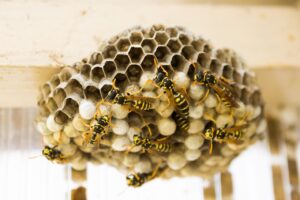
Playgrounds are designed to be safe, active spaces where children can explore and interact freely. However, these environments can unintentionally attract stinging insects when certain conditions are present. Wasps, bees, and hornets are naturally drawn to areas that provide food, shelter, and access to moisture, all of which can exist in playground settings if not carefully managed. From a pest control perspective, preventing stinging insects is less about reacting to visible nests and more about understanding the environmental factors that allow them to establish themselves. Early awareness and consistent management play a significant role in reducing risk and maintaining a safer space for children and families. Why Playgrounds Attract Stinging Insects Playgrounds often combine several elements that appeal to stinging insects. Food residue, open trash bins, shaded structures, and nearby vegetation all contribute to an environment where these pests can thrive. These factors do not immediately lead to infestations, but over time, they create patterns that encourage stinging insects to return and establish nesting sites. Understanding these attractants is the first step in reducing their presence. Environmental patterns specific to the region also play a role. This overview of local pest activity patterns explains how climate conditions influence pest behavior, including stinging insects. Key Environmental Conditions That Increase Risk Certain environmental conditions make playgrounds more vulnerable to stinging insects. These conditions are often subtle and develop gradually, making them easy to overlook without regular evaluation. When these conditions are present, stinging insects are more likely to settle and remain active in the area. Addressing these factors early helps prevent long-term issues and reduces the likelihood of unexpected encounters. Best Practices for Reducing Stinging Insect Activity Effective prevention involves a combination of environmental management and consistent monitoring. Rather than relying on reactive measures, a proactive approach focuses on making the playground less appealing to stinging insects. These practices create a less hospitable environment for stinging insects, making it more difficult for them to establish nests. Consistency is key, as even small lapses can allow activity to return. Landscaping choices also play an important role. Insights from this guide on landscape insect deterrence highlight how strategic plant selection and layout can reduce the presence of stinging insects in outdoor spaces. The Importance of Early Detection and Monitoring Preventing stinging insects is not a one-time effort. It requires ongoing observation and attention to changes within the environment. Early detection allows for intervention before nests become established and are more difficult to manage. Inspectors typically look for subtle indicators such as increased insect traffic, small nest formations, or changes in insect behavior around structures. These early signs often appear before the problem becomes visible to the general public. Regular monitoring also helps identify patterns. For example, certain areas of the playground may consistently attract more activity due to shade, moisture, or proximity to food sources. Recognizing these patterns allows for more targeted and effective pest control strategies. Without consistent monitoring, stinging insect activity can develop unnoticed. By the time nests are clearly visible, the risk level has already increased, especially in high-traffic areas where children are present. Why Professional Pest Control Provides Lasting Protection While basic maintenance reduces risk, managing stinging insects at a deeper level often requires professional evaluation. These pests can build nests in concealed areas such as underground cavities, wall voids, or structural gaps that are not easily accessible. Professional pest control focuses on identifying these hidden nesting sites and addressing the conditions that support them. This approach goes beyond surface-level solutions and aims to prevent recurring activity. A comprehensive strategy may include environmental adjustments, targeted treatments, and ongoing monitoring to ensure that the playground remains a safe space over time. This level of detail is difficult to achieve without experience and specialized knowledge. In environments where safety is a priority, relying on a structured approach provides greater confidence. It ensures that potential risks are addressed thoroughly and that preventative measures remain effective as conditions change. A Safer Space Starts with the Right Approach Creating a playground that remains safe and enjoyable requires more than routine cleaning. It involves understanding how stinging insects interact with the environment and taking steps to reduce the conditions that attract them.For dependable support and a more complete approach to prevention, reach out to Greenville Pest Control and move forward with a strategy designed to keep playground spaces consistently protected.
Debunking Myths About DIY Cockroach Foggers
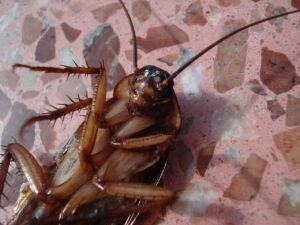
Cockroach problems are often met with quick solutions, and foggers are one of the most commonly used products for immediate relief. Marketed as an easy, all-in-one fix, these devices promise to eliminate pests with minimal effort. However, when dealing with a cockroach infestation, the reality is far more complex. From a professional perspective, cockroach control requires precision, consistency, and a clear understanding of pest behavior. Foggers may appear effective on the surface, but they often fail to address the deeper issues that allow infestations to persist. The Most Common Myths About Cockroach Foggers Foggers are surrounded by misconceptions that can lead to ineffective pest control decisions. Understanding these myths helps clarify why they rarely deliver lasting results. These assumptions often lead to repeated use without resolving the underlying infestation. In many cases, the visible reduction in activity is temporary, giving the impression of success while the core problem remains. Why Foggers Fail to Eliminate Cockroach Infestation The effectiveness of any pest control method depends on how well it targets the pest’s behavior and habitat. Cockroaches are highly adaptive and tend to hide in areas that foggers cannot reach. Because of these limitations, foggers often fail to address the full scope of a cockroach infestation. Instead of eliminating the problem, they may simply reduce visible activity while hidden populations continue to grow. The Risks of Relying on Surface-Level Treatments Using foggers as a primary solution can introduce additional challenges. Beyond limited effectiveness, they may also complicate future pest control efforts. These risks highlight the importance of using methods that are designed to reach hidden infestations. Surface-level treatments often fail to provide the level of control needed for consistent results. Understanding what truly works is essential. For example, our resource on effective roach removal explains how targeted strategies address both visible and hidden activity. What Effective Cockroach Control Actually Involves Professional cockroach control focuses on identifying the root causes of infestation and applying solutions that address all stages of the pest lifecycle. These methods are designed to work together, creating a more comprehensive approach to pest management. Instead of reacting to visible pests, they focus on eliminating the source of the infestation. Baiting systems, in particular, play an important role in reaching areas foggers cannot. As discussed in our guide on the importance of bait stations, these systems help target cockroaches where they live and feed, leading to more effective results. Why Consistency Matters More Than Quick Fixes Cockroach infestations rarely resolve with a single treatment. Long-term control depends on consistency and a structured approach that adapts over time. This approach creates a more stable environment where cockroach infestations are less likely to return. It also reduces the need for repeated, ineffective solutions. Quick fixes may provide temporary relief, but they rarely offer lasting protection. A consistent strategy is what ultimately leads to reliable and long-term results. Move Beyond Temporary Fixes Toward Real Results Cockroach infestations require more than surface-level solutions, especially when hidden populations continue to grow out of sight. Understanding the limitations of foggers is only the beginning of making better pest control decisions. What often seems like a quick fix can lead to repeated issues when the root causes are not properly addressed. A more thoughtful and structured approach focuses on long-term control, targeting both visible activity and the areas where cockroaches thrive. By shifting toward methods that prioritize consistency and thoroughness, it becomes possible to achieve more reliable and lasting results. If you are ready to take a more effective and informed approach to pest control, reach out to Greenville Pest Control and let us help you achieve a cleaner, more controlled living environment.

Keeping Mosquito Populations Down This Spring Season
Spring brings warmer weather, longer days, and a noticeable increase in outdoor activity. It also signals the return of mosquitoes, which can quickly become a persistent problem if conditions allow them to thrive. With rising temperatures and increased moisture, mosquito populations can grow rapidly, making spring mosquito control an important part of maintaining a comfortable outdoor space. Mosquitoes are more than a nuisance. Their ability to reproduce quickly means that even small breeding areas can lead to large populations in a short time. Addressing the issue early helps reduce activity before it becomes more difficult to manage. Why Mosquito Activity Increases in Spring Mosquitoes rely on specific environmental conditions to survive and reproduce. Spring provides the ideal combination of warmth and moisture that supports their life cycle. These conditions allow mosquito populations to expand quickly. After rainfall, even small pools of water can become breeding grounds. Because mosquitoes can complete their life cycle in a short period, early action plays a key role in controlling their numbers. Understanding how these factors work together helps explain why spring mosquito control should begin before populations peak. Common Areas Where Mosquitoes Breed Mosquitoes do not need large bodies of water to reproduce. Many breeding sites are small and easy to overlook, which allows populations to grow unnoticed. These areas often go unnoticed, especially after rainfall. Once mosquitoes begin breeding, the population can increase quickly and spread throughout the property. Managing these areas is one of the most effective ways to reduce mosquito activity. Eliminating breeding sites limits the number of new mosquitoes entering the environment. How Mosquitoes Affect Outdoor Comfort and Safety Mosquitoes can significantly impact how outdoor spaces are used. Their presence makes it difficult to enjoy patios, gardens, and recreational areas, especially during peak activity times. Beyond discomfort, mosquitoes are also associated with health concerns. Their bites can cause irritation, and in some cases, they can carry diseases that affect both people and pets. Increased mosquito activity often indicates broader pest conditions. Environments that support mosquitoes may also attract other pests such as ants, spiders, and flies, which are commonly handled in pest control services. Workspaces and outdoor environments can be affected as well. For example, certain environments may unintentionally attract pests, as discussed in these hidden pest attractors. Addressing mosquito activity helps create a more comfortable and balanced outdoor space. Effective Spring Mosquito Control Strategies Reducing mosquito populations requires a combination of prevention, monitoring, and targeted treatment. Each step contributes to a more controlled environment. While these steps are important, they are most effective when applied consistently. Mosquito activity can change quickly based on weather conditions, which means control efforts must adapt as the season progresses. A structured approach helps ensure that mosquito populations remain manageable. Understanding how seasonal strategies work together can provide additional insight, as seen in these seasonal pest strategies. Combining prevention with targeted control improves both speed and long-term effectiveness. Why Professional Mosquito Control Delivers Better Results Mosquito control can be challenging because of how quickly populations can grow and spread. Without a clear plan, it is easy to miss breeding areas or apply treatments inconsistently. Professional mosquito control focuses on identifying all contributing factors, including breeding sites, resting areas, and environmental conditions. This allows for a more precise approach that addresses both current activity and future risk. In addition, professionals adjust treatments based on seasonal changes. This helps maintain consistent results even as conditions shift throughout spring and into summer. A well-planned approach reduces the likelihood of recurring problems and supports a more stable outdoor environment. Instead of reacting to mosquito activity, it works to prevent it from developing in the first place. Take back your outdoor space this spring Keeping mosquito populations down during spring requires early action, consistent monitoring, and targeted strategies that address both breeding and activity. By focusing on prevention and proper timing, it is possible to reduce mosquito presence and improve outdoor comfort.For those looking for a more reliable solution, professional support can provide a structured and effective approach. Contact Greenville Pest Control to get started.

What Tick Prevention Methods Work For Greenville’s Humidity
Greenville’s climate creates a unique challenge when it comes to outdoor pest control. Warm temperatures combined with high humidity provide ideal conditions for ticks to thrive. These pests are not just seasonal nuisances. They remain active for extended periods, especially in environments where moisture and vegetation are consistent. Tick prevention in this region requires more than occasional yard maintenance. It involves understanding how ticks interact with their surroundings and how humidity supports their survival. Without a structured approach, tick populations can increase quickly and spread across outdoor spaces. A well-planned strategy focuses on reducing favorable conditions while targeting areas where ticks are most likely to develop. This balance is what makes long-term tick prevention more effective in humid environments like Greenville. Why Greenville’s Humidity Supports Tick Activity Ticks are highly sensitive to environmental conditions, and humidity plays a direct role in how long they can survive and remain active. In Greenville, consistent moisture in the air and soil creates an environment where ticks are less likely to dry out, allowing them to stay active across longer periods and in more areas of the property. Unlike pests that rely on short bursts of favorable weather, ticks depend on stable humidity to maintain their lifecycle. This makes Greenville’s climate especially supportive of ongoing tick presence rather than isolated seasonal activity. These conditions create a continuous cycle of survival and movement. Without targeted tick prevention, populations can build gradually and spread across outdoor spaces with little interruption. Key Outdoor Areas Where Ticks Thrive Tick prevention begins with identifying where activity is most likely to occur. In humid environments, certain areas naturally provide the conditions ticks need. Recognizing these zones allows for more targeted prevention efforts rather than relying on broad, less effective measures. Effective Tick Prevention Strategies For Humid Conditions Managing ticks in Greenville requires a combination of environmental control and targeted treatment. The goal is to reduce both habitat suitability and active populations. These strategies help lower tick activity, but they are most effective when applied consistently and adjusted based on changing conditions. How Seasonal Patterns Influence Tick Prevention Tick behavior is closely tied to seasonal changes, but in humid regions, activity does not always follow predictable patterns. Warmer temperatures can extend activity into periods where ticks are less expected. Understanding these seasonal shifts is important for maintaining effective control. For example, certain pest patterns become more noticeable during spring, as explained in this overview of spring pest activity. By aligning prevention efforts with these patterns, it becomes easier to anticipate changes in tick activity and respond proactively. Why Consistent Monitoring Improves Long-Term Results Tick prevention is not a one-time process. It requires ongoing monitoring to ensure that conditions remain unfavorable for pest activity. Even well-maintained properties can experience changes that allow ticks to return. Regular evaluation helps identify early signs of activity and allows for timely adjustments. This approach is supported by structured planning, such as the methods outlined in this guide on year-round pest monitoring. By maintaining a consistent strategy, it becomes possible to reduce recurring issues and create a more controlled outdoor environment. Why Professional Tick Control Makes A Difference While basic maintenance can reduce some tick activity, humid environments often require a more comprehensive approach. Ticks are resilient and can adapt to changing conditions, making them difficult to control without targeted methods. Professional pest control focuses on identifying high-risk areas, applying treatments where they are most effective, and maintaining control over time. This includes addressing both current activity and conditions that support future infestations. In Greenville, where humidity plays a constant role, this level of precision is essential for achieving reliable results. Without it, tick populations can continue to develop despite routine efforts. Take A More Reliable Approach To Tick Prevention Tick prevention in humid climates requires consistency, awareness, and a strategy that adapts to changing conditions. Small adjustments can make a difference, but long-term success depends on a more structured approach.For a more effective solution tailored to Greenville’s conditions, contact Greenville Pest Control and take the next step toward a safer outdoor environment.
