

Fast
Local Service

Satisfaction Guaranteed
Fast
Local Service
Satisfaction Guaranteed

Why Small Pest Problems Become Major Infestations Fast
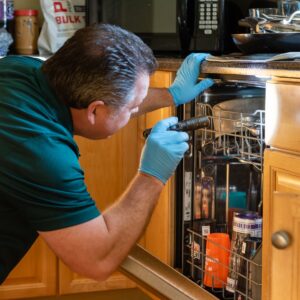
A few ants near the sink, one cockroach in the garage, or occasional scratching in a wall may seem minor. The problem is that many pests are already established before homeowners see them. Warm temperatures, moisture, food, shelter, and hidden entry points can allow small populations to grow quickly. Professional pest control focuses on the conditions behind the sighting, not just the visible pest. Greenville-area homes can face ants, bed bugs, cockroaches, mosquitoes, rodents, spiders, termites, fleas, ticks, birds, and stinging insects. Each behaves differently, but all can become harder to manage when early signs are ignored. Hidden Reproduction Can Outpace Visible Activity Many infestations grow in places homeowners rarely inspect. Cockroaches can remain behind appliances and inside cabinets. Rodents may nest in attics, wall voids, or storage areas. Ant colonies can stay outdoors while workers repeatedly enter for food and moisture. Early warning signs may include: A closer look at outdoor pest pressure shows how food, moisture, shelter, landscaping, and access around patios and yards can support pests before they move indoors. Early inspection helps identify those connections. Food, Water, And Shelter Keep Small Problems Growing Pests remain where basic resources are dependable. A leaking pipe, open trash container, pet food, damp mulch, cluttered garage, or shaded crawl space can provide enough support for activity to continue. What makes these conditions difficult is that several pests may use the same resource differently. Cockroaches may gather near moisture, ants may establish trails toward food, rodents may use stored materials for nesting, and spiders may settle where insect prey is plentiful. Professional inspection helps determine which conditions are actually contributing to the problem. That matters because correcting the wrong issue can leave the real source untouched. A few visible pests may disappear temporarily while the population continues growing in a protected area nearby. Delayed Action Gives Pests More Space To Spread A small infestation can become more complicated when pests move into additional rooms, adjoining walls, exterior structures, or neighboring activity zones. Signs that a problem may be expanding include: Bed bugs can spread through furniture, luggage, and belongings. Rodents may establish several travel routes. Termites can continue feeding inside structural wood without obvious surface damage. Mosquitoes, fleas, and ticks can also persist when outdoor breeding or host conditions remain active. The longer these patterns continue, the more inspection, treatment, and follow-up may be needed. Seasonal Changes Can Accelerate Pest Pressure Greenville’s warm, humid climate allows pest activity to shift rather than simply stop. Heat can increase insect movement, rainfall can create moisture, and cooler periods can push rodents or other pests toward indoor shelter. Understanding seasonal pest trends helps explain why a quiet period does not always mean the underlying risk has disappeared. Ants, mosquitoes, fleas, ticks, spiders, cockroaches, rodents, termites, and stinging insects can respond differently as weather changes. Professional pest control adjusts with those patterns. Technicians can recheck earlier hot spots, evaluate new moisture or entry conditions, and change treatment when activity shifts. This seasonal perspective is more efficient than treating every new sighting as an unrelated event. Early Professional Control Helps Prevent Costlier Infestations The most effective time to address pest activity is when the evidence is still limited. Early action gives technicians more opportunity to identify the source, treat active areas, and reduce the conditions helping the infestation expand. A complete plan may include: Professional pest control also creates a baseline. If ants return near the same doorway, rodents shift to another route, or cockroaches appear in a different utility area, technicians can compare those findings with the original inspection instead of starting over. Small pest problems become major infestations when reproduction, shelter, and access continue unnoticed. The visible insect or rodent may be only the first clue. Acting on early evidence makes treatment more focused and can reduce the disruption, property damage, and repeat service that often come with a larger infestation. Stop Small Pest Problems Before They Grow If recurring pest activity is starting to appear around your home, contact Greenville Pest Control for professional inspection, targeted pest control, prevention, and follow-up based on your property’s conditions.

How To Reduce Pest Activity Around Outdoor Living Areas This Summer
Patios, porches, decks, outdoor kitchens, and backyard seating areas become gathering points during summer, but the same conditions that make them comfortable for people can also attract pests. Warm temperatures, humidity, food, water, shade, and frequent movement between indoors and outdoors can increase activity around these spaces. Professional pest control works best when outdoor living areas are treated as part of the whole property. Ants, cockroaches, spiders, rodents, mosquitoes, fleas, ticks, termites, bed bugs, birds, and stinging insects can all be influenced by what happens around patios and yards. Reducing the conditions that support them can make summer spaces easier to enjoy. Keep Food And Trash From Becoming Reliable Pest Sources Outdoor meals can leave behind crumbs, grease, drink residue, and food odors that attract ants, cockroaches, rodents, stinging insects, and other pests. Helpful habits include: Summer pest pressure around Upstate South Carolina often increases where food, moisture, and shelter overlap. A closer look at seasonal pest pressure shows why patios, porches, pet areas, trash zones, and outdoor gathering spaces can become active pest locations. Manage Moisture Around Patios, Decks, And Landscaping Moisture is one of the strongest drivers of summer pest activity. Afternoon storms, irrigation, clogged drainage, humid nights, and shaded soil can create favorable conditions near outdoor living areas. Mosquitoes may develop in standing water around planters, toys, drains, gutters, or low spots. Cockroaches can gather near damp mulch, outdoor kitchens, garages, and utility areas. Ants may trail toward water, while spiders can appear where moisture-supported insects are active. Professional inspection can help determine whether moisture is merely present or actually contributing to pest activity. Routine observation also helps homeowners notice when a new pattern appears after storms, irrigation changes, outdoor gatherings, or periods of heavier pet and wildlife activity. Reduce Shelter And Harborage Near Outdoor Seating Pests are more likely to remain close to patios and decks when they have protected areas nearby. Dense landscaping, clutter, stored materials, tall grass, and shaded edges can provide hiding places during the hottest parts of the day. Areas worth checking include: Fleas and ticks can become more active in shaded lawn edges and areas used by pets, rodents, or birds. Spiders may settle where insect prey is plentiful, while rodents can use cluttered corners for shelter. Pay Attention To Cockroach Pressure Near Outdoor Kitchens Outdoor kitchens, grills, trash areas, and damp patio edges can create particularly favorable conditions for cockroaches. Food residue, grease, water, mulch, and sheltered gaps may all contribute to activity close to the home. Understanding cockroach attractants helps explain why the problem is rarely limited to the room or patio where one roach was seen. Warm weather, heavy rain, damp landscaping, food, clutter, and structural access can all influence movement. Professional pest control can inspect both the outdoor source and the nearby structure. That is important because cockroaches may move from mulch, drains, trash areas, or landscaping into kitchens, garages, or utility spaces through small gaps. Use Lighting And Entry-Point Awareness To Limit Activity Outdoor lighting can attract flying insects, which may increase spider activity near doors, windows, eaves, and patios. Open doors and damaged screens can also make it easier for outdoor pressure to move indoors. A practical summer plan may include: Bed bugs are different because they are typically introduced through travel, luggage, furniture, or other belongings rather than outdoor yard conditions. Termites may also require separate inspection because hidden wood and soil activity can continue even when outdoor living areas look pest-free. The strongest strategy is to match prevention to the pest actually present. Professional inspection helps avoid one-size-fits-all treatment and keeps attention on the conditions that are driving activity around the property. Outdoor living areas should feel comfortable without becoming magnets for pests. When food, moisture, shelter, lighting, and access are managed together, patios and yards become less supportive of recurring summer activity. Make Summer Spaces Easier To Enjoy If pests are becoming more active around your patio, deck, yard, or outdoor gathering areas, contact Greenville Pest Control for professional inspection, targeted pest control, prevention, and follow-up tailored to Upstate South Carolina conditions.

What Homeowners Should Know About Seasonal Pest Trends
Seasonal changes influence where pests live, what they search for, and how often homeowners notice them. In Greenville, warm summers, steady humidity, rainfall, mild winters, and changing outdoor conditions can keep pest pressure active for much of the year. Effective pest control works best when it follows those seasonal patterns. Ants, cockroaches, spiders, rodents, mosquitoes, fleas, ticks, stinging insects, termites, bed bugs, and birds do not all become active for the same reasons or at the same time. Understanding what drives each season helps homeowners recognize early warning signs and respond before a small issue becomes harder to manage. Spring Often Brings New Colonies And Increased Movement Spring temperatures and moisture encourage many pests to become more active after cooler months. Ant colonies expand, termites may swarm, mosquitoes begin using standing water, and stinging insects start establishing nests around eaves, shrubs, sheds, and other protected areas. Homeowners may notice: Spring is also a useful time to check common access routes. Understanding typical pest entry points can help homeowners see how damaged screens, worn door seals, utility gaps, foundation cracks, and roofline openings turn outdoor activity into indoor problems. Summer Heat And Humidity Increase Pest Pressure Greenville summers create strong pest-supporting conditions. Warm temperatures speed up insect activity, while humidity, storms, irrigation, and damp soil provide moisture around homes. Cockroaches may settle near plumbing, drains, appliances, and damp storage spaces. Ants often follow food and water into kitchens. Mosquitoes can develop in standing water, while fleas and ticks may become more noticeable around lawns, pets, rodents, and birds. Spiders often follow increases in insect prey. The challenge is that summer pest activity rarely comes from heat alone. Moisture, food, shelter, and structural access usually work together. Professional inspection helps determine whether a sighting is temporary or whether the property is supporting a larger pattern that needs targeted attention. Fall Pushes Pests Toward Shelter And Stable Resources As temperatures begin to fall, many pests shift from outdoor areas toward protected spaces. Rodents may look for garages, crawl spaces, attics, and wall voids, while cockroaches and spiders may move closer to indoor food and shelter. Important fall priorities include: Fall pest control should focus on exclusion before pests become established indoors. Sealing confirmed access points, reducing outdoor shelter, and watching for early evidence can make winter infestations less likely. Humidity Can Keep Indoor Pest Activity Going Greenville’s moisture levels mean some pests do not disappear simply because the season changes. Damp crawl spaces, bathrooms, kitchens, garages, basements, and utility areas can remain attractive throughout the year. Understanding summer humidity effects also helps explain why moisture-related problems may continue after summer. Cockroaches, ants, spiders, rodents, termites, and other pests can benefit from leaks, condensation, clogged gutters, poor drainage, or damp stored materials. A small moisture problem can become more important when pests already have access to the structure. That is why long-term prevention should connect humidity control with sanitation, exclusion, and monitoring instead of treating each sighting separately. Winter Does Not Mean Pest Pressure Disappears Mild South Carolina winters allow some pest activity to continue, while indoor environments provide warmth and stable resources. Rodents, cockroaches, spiders, and bed bugs can remain active inside even when outdoor insect movement slows. A year-round plan may include: Professional pest control is especially useful because seasonal patterns overlap. A home may face termite activity in spring, mosquitoes and ticks in summer, rodents in fall, and indoor cockroaches or spiders through winter. Technicians can adjust treatment and prevention according to the current pest, weather conditions, and property history. Seasonal pest trends are not perfectly predictable, but they provide a useful framework for prevention. Homeowners who monitor changes in moisture, entry points, outdoor conditions, and pest activity are better positioned to address problems early rather than waiting for a full infestation. Stay Ahead Of The Next Seasonal Shift If seasonal pest activity keeps changing around your home, contact Greenville Pest Control for professional inspection, targeted pest control, prevention, and year-round follow-up tailored to Greenville conditions.

Common Pest Entry Points Around Homes And Businesses
Ants, cockroaches, spiders, rodents, mosquitoes, fleas, ticks, stinging insects, termites, bed bugs, and birds can reach properties through structural gaps, open doors, damaged screens, utility penetrations, or everyday movement. Effective pest control begins by identifying where activity is coming from and why a particular entry point is being used. Closing access is important, but it works best when paired with inspection, treatment, moisture management, sanitation, and follow-up based on the pest involved. Doors, Windows, And Garage Openings Deserve Close Attention Exterior doors and windows are among the most frequently used parts of any building, which also makes them common access areas for pests. Worn seals, damaged screens, gaps beneath doors, and openings around frames can create direct routes indoors. Areas worth checking include: Cockroaches, for example, are strongly influenced by access to shelter, water, and food, which is why understanding common roach attractants can help explain why certain openings receive repeated activity. Utility Lines And Plumbing Create Hidden Pathways Pipes, electrical conduits, cable lines, drains, vents, and other building systems often pass through walls, floors, or foundations. Small gaps around these penetrations may be difficult to notice during routine cleaning but can connect exterior pest activity with protected interior spaces. Cockroaches and ants may travel around plumbing where moisture is available. Rodents can exploit larger utility gaps, while spiders may establish themselves where other insects are entering. In commercial buildings, mechanical rooms and service areas can contain multiple penetrations that deserve regular inspection. Moisture makes these locations even more attractive. Leaks, condensation, drain problems, or damp crawl-space conditions can provide water while wall voids and utility chases provide shelter. Professional inspection is valuable because technicians can follow pest evidence beyond the room where it first appears and determine whether a plumbing or utility route is contributing to the problem. Foundations, Rooflines, And Exterior Gaps Can Be Easy To Miss The building envelope contains many transition points where pests can enter without being noticed. Cracks may develop around foundations, siding, roof edges, vents, soffits, or places where different construction materials meet. Common exterior vulnerabilities include: Rodents and birds may use larger openings around rooflines and exterior structures, while insects require far less space. Termites can also use concealed pathways associated with soil, foundations, and moisture, making visible openings only part of the inspection picture. Multiple entry points can operate at the same time, especially on older buildings or high-traffic commercial properties. Outdoor Conditions Often Lead Pests Toward Entry Points An opening becomes more important when surrounding conditions consistently guide pests toward it. Dense vegetation, standing water, trash areas, pet activity, exterior lighting, damp mulch, and stored materials can all increase pest pressure close to a structure. This is why long-term prevention should account for moisture, sanitation, shelter, access points, and seasonal movement together rather than treating each indoor sighting as an isolated event. Homes may experience similar problems around garages, patios, crawl spaces, porches, and landscaping. Commercial properties can face added pressure from deliveries, waste areas, storage zones, and frequent door activity. Reducing attractive conditions around the exterior makes exclusion more effective because fewer pests are repeatedly testing the structure for a way inside. Effective Exclusion Works Best With Inspection And Follow-Up Sealing gaps is an important part of pest prevention, but exclusion alone cannot confirm whether pests are already established indoors. Existing cockroaches, rodents, bed bugs, termites, fleas, ticks, or other pests may require targeted treatment and monitoring after entry points are addressed. A complete pest control plan may include: Different pests require different responses. A rodent opening may need physical exclusion, while cockroach activity may require attention to plumbing, moisture, and hidden harborages. Termite concerns require inspection of soil and structural areas, while mosquitoes, fleas, ticks, and stinging insects may involve outdoor conditions. Professional assessment helps connect these factors instead of treating every crack as equally important. The goal is to locate the routes pests actually use, reduce the conditions encouraging them, and confirm that the strategy continues working over time. Close The Door On Recurring Pest Activity If pests keep finding their way into your home or business, contact Greenville Pest Control for professional inspection, targeted pest control, exclusion guidance, and long-term prevention tailored to your property.
Why Professional Bed Bug Treatments Deliver Better Results
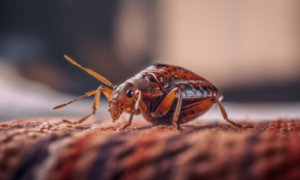
Bed bugs are difficult to eliminate because they hide in narrow spaces, spread beyond the room where they were first noticed, and survive through several life stages. Adults, nymphs, and eggs may be tucked into mattress seams, furniture joints, baseboards, flooring cracks, wall voids, electrical outlets, or clutter. Bites or spotting may reveal activity, but they do not show the full boundaries of an infestation. Professional bed bug treatment combines detailed inspection, structured preparation, whole-home planning, controlled heat, and post-treatment monitoring. This coordinated process addresses hidden insects more thoroughly than responses aimed only at the bed or the most visible room. It also gives homeowners clear instructions at every stage, reducing the chance that belongings are moved in ways that spread activity. Inspection Determines How Far Activity Has Spread A professional visit begins with confirmation. Technicians look for live bed bugs, eggs, shed skins, blood spotting, and fecal staining across sleeping areas and likely harborages. Because bed bugs can travel through wall spaces and between rooms, inspection should not stop at the location of the first bite. Common inspection areas include: Accurate mapping helps determine whether activity is localized or distributed throughout the home. Treating one room while hidden populations remain elsewhere can allow the infestation to continue. Whole-Home Planning Addresses Hidden Movement Bed bugs do not depend on dirty conditions, but household layout and movement influence how they spread. They can hitchhike on luggage, clothing, furniture, and personal belongings, then settle close to resting people. A broader look at indoor humidity pressure explains why technicians evaluate the entire property rather than one visible symptom. Professional planning includes a preparation sheet tailored to the treatment. Homeowners may need to secure heat-sensitive belongings, handle medications or electronics as directed, and create access around furniture. Following these instructions protects possessions and allows heated air to circulate through concealed spaces. Controlled Heat Reaches Every Life Stage Professional heat treatment raises indoor temperatures to levels that are lethal to bed bugs. Specialized heaters and air-moving equipment distribute heat throughout treated spaces, while technicians monitor temperatures and hold them for the required period. The service may take approximately eight to ten hours, during which occupants must remain away from the home. A carefully managed heat treatment can: Heat is effective only when temperature distribution is measured and maintained. Cold spots behind furniture, within dense belongings, or near structural transitions can undermine an improperly managed treatment. Professional equipment and monitoring are central to consistent results. Preparation Prevents Accidental Spread And Treatment Gaps Preparation is part of the treatment, not a separate housekeeping task. Moving infested furniture to another room, discarding items without containment, or carrying loose belongings through the home can spread bed bugs. Unplanned product use may also push insects deeper into hiding or complicate later inspection. The problem with repeat DIY attempts is that visible reduction may be mistaken for elimination. Bed bugs can remain inside protected cracks, and eggs may be missed entirely. Professionals instead provide instructions based on the property and planned heat service. Preparation may include: Clear preparation limits unnecessary movement while helping heat reach the places where bed bugs are most likely to survive. Monitoring And Follow-Up Confirm The Outcome Immediate relief is important, but verification provides confidence that the bed bug treatment worked. After heat service, professional monitoring traps can be placed in accessible locations. These devices help detect unexpected activity without requiring homeowners to dismantle furniture or repeatedly disturb sleeping areas. Follow-up support may include reviewing monitoring traps, rechecking areas that showed heavier initial activity, distinguishing new introductions from unresolved infestation, explaining normal post-treatment observations, and returning under the service warranty when confirmed activity appears. A 90-day warranty adds structured support during the period after treatment. Although successful heat service is designed to eliminate the infestation in one visit, monitoring recognizes that bed bugs are skilled hitchhikers and that evidence should be assessed carefully. Professional results come from more than the treatment method alone. Correct identification, full-home inspection, measured heat, disciplined preparation, and follow-up work together. This process reaches hidden harborages, addresses every developmental stage, and reduces the guesswork that often allows bed bugs to persist. Restore Confidence In Every Room Contact Greenville Pest Control for professional inspection, whole-home heat treatment, post-service monitoring, and warranty-backed bed bug treatment.
How Summer Humidity Increases Pest Activity Indoors
Summer humidity changes the environment inside and around Greenville homes. Moist air can collect in crawl spaces, bathrooms, kitchens, garages, basements, and utility areas, while storms and irrigation keep exterior soil damp. These conditions help many pests find water, shelter, and stable temperatures close to occupied rooms. Professional pest control looks beyond the insect or animal that was first noticed. Technicians evaluate humidity, leaks, drainage, entry points, food sources, nesting areas, and seasonal movement together. This broader approach helps explain why activity increased and which conditions must be addressed for more dependable, long-term protection. It also keeps recommendations tied to confirmed evidence instead of isolated sightings. Humidity Supports Survival And Faster Pest Activity Many pests depend on moisture directly or benefit from the insects that gather around it. Cockroaches may settle near plumbing, drains, appliances, and damp storage areas. Ants can trail toward sinks or pet bowls. Spiders often appear where humidity-supported insects provide a steady food source. Rodents may use moist crawl spaces or garages as protected nesting zones. Common humidity-related warning signs include: These signs do not identify the pest by themselves, but they help technicians locate conditions that may be supporting indoor activity. Summer Pressure Often Begins Outside The Home Greenville’s heat, rainfall, thick vegetation, shaded soil, and outdoor activity can increase pest populations around the property before they move inside. Mosquitoes may develop in standing water. Fleas and ticks can build around lawns, pets, rodents, or birds. Termites may follow damp soil and protected foundation routes. Stinging insects can establish nests near eaves, shrubs, sheds, or other sheltered areas. A closer look at summer pest pressure shows why moisture, landscaping, yard debris, drainage, and structural gaps should be evaluated together. When outdoor conditions remain favorable, open doors, damaged screens, vents, plumbing lines, and foundation cracks can turn exterior activity into an indoor pest problem. Professional inspection helps distinguish a temporary seasonal sighting from a developing infestation connected to the property’s moisture and access conditions. Damp Indoor Areas Create Hidden Harborage Humidity becomes more difficult to manage when it combines with leaks, poor airflow, clutter, or concealed structural spaces. Pests may remain behind appliances, inside cabinets, beneath insulation, along wall voids, or around plumbing penetrations long before activity becomes obvious. Technicians may inspect: This property-wide inspection is important because the room where a pest appears may not contain the source. A cockroach near a sink may be moving from a wall void, while ants at a counter may originate from an exterior colony. Delayed Moisture Correction Can Increase Treatment Costs A small leak or damp corner may seem unrelated to pest activity, but continued moisture can allow populations to persist and spread. Repeated surface treatment may reduce visible insects temporarily without correcting the water source, nesting area, or entry point supporting them. Guidance on lowering control costs explains why early inspection, moisture correction, and prevention are often more efficient than waiting for a larger infestation. Once termites, rodents, cockroaches, ants, bed bugs, fleas, ticks, or other pests reach hidden structural areas, treatment may require more time, monitoring, and follow-up. Early professional attention can keep service focused. Accurate identification and targeted placement reduce unnecessary treatment while helping technicians address conditions that could cause activity to return. Long-Term Control Requires Coordinated Moisture Management Humidity cannot be eliminated from a South Carolina summer, but property conditions can be managed. Effective pest control connects treatment with drainage, ventilation, exclusion, sanitation, monitoring, and seasonal adjustments. The exact plan depends on the pest, property layout, moisture source, and evidence found during inspection. A long-term strategy may include: Professional service also helps homeowners avoid one-size-fits-all decisions. Greenville properties may face ants, bed bugs, cockroaches, termites, rodents, birds, mosquitoes, fleas, ticks, spiders, and stinging insects, but each requires a different treatment and prevention strategy. Summer humidity often acts as the common support condition linking several pest problems together. Reducing excess moisture, finding hidden activity, and monitoring vulnerable spaces can limit the food, water, and shelter pests rely on. A trained technician can connect those factors and adjust the plan as weather and property conditions change. Keep Humidity From Inviting Pests Inside Contact Greenville Pest Control for professional inspection, targeted treatment, moisture-focused prevention, and reliable seasonal follow-up.
