


Cockroach problems are often met with quick solutions, and foggers are one of the most commonly used products for immediate relief. Marketed as an easy, all-in-one fix, these devices promise to eliminate pests with minimal effort. However, when dealing with a cockroach infestation, the reality is far more complex.
From a professional perspective, cockroach control requires precision, consistency, and a clear understanding of pest behavior. Foggers may appear effective on the surface, but they often fail to address the deeper issues that allow infestations to persist.
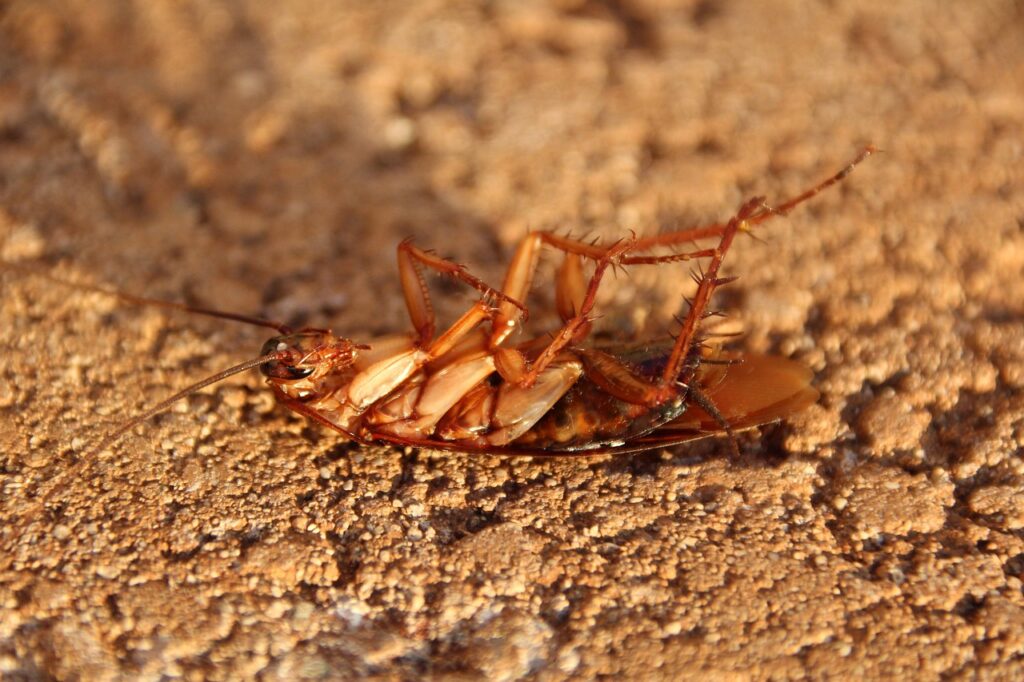
The Most Common Myths About Cockroach Foggers
Foggers are surrounded by misconceptions that can lead to ineffective pest control decisions. Understanding these myths helps clarify why they rarely deliver lasting results.
- Foggers reach all hidden cockroach areas inside a home
- Foggers eliminate entire cockroach populations instantly
- Foggers prevent cockroaches from returning
- Foggers are enough to handle severe infestations
- Foggers replace the need for professional pest control
These assumptions often lead to repeated use without resolving the underlying infestation. In many cases, the visible reduction in activity is temporary, giving the impression of success while the core problem remains.
Why Foggers Fail to Eliminate Cockroach Infestation
The effectiveness of any pest control method depends on how well it targets the pest’s behavior and habitat. Cockroaches are highly adaptive and tend to hide in areas that foggers cannot reach.
- Cockroaches stay deep within cracks, wall voids, and hidden spaces
- Foggers do not penetrate enclosed or protected nesting areas
- Eggs and developing stages remain unaffected by surface exposure
- Cockroaches can avoid treated areas and relocate within the structure
- Residual effects are often limited, allowing populations to recover
Because of these limitations, foggers often fail to address the full scope of a cockroach infestation. Instead of eliminating the problem, they may simply reduce visible activity while hidden populations continue to grow.
The Risks of Relying on Surface-Level Treatments
Using foggers as a primary solution can introduce additional challenges. Beyond limited effectiveness, they may also complicate future pest control efforts.
- Overuse can lead to pesticide resistance in cockroach populations
- Improper application may expose residents to unnecessary chemicals
- Disturbed cockroaches may spread to new areas of the home
- Incomplete treatment allows infestations to rebuild quickly
- Repeated use increases cost without delivering long-term results
These risks highlight the importance of using methods that are designed to reach hidden infestations. Surface-level treatments often fail to provide the level of control needed for consistent results.
Understanding what truly works is essential. For example, our resource on effective roach removal explains how targeted strategies address both visible and hidden activity.
What Effective Cockroach Control Actually Involves
Professional cockroach control focuses on identifying the root causes of infestation and applying solutions that address all stages of the pest lifecycle.
- Detailed inspections to locate nesting areas and entry points
- Targeted treatments applied to high-risk zones
- Use of baiting systems that reach hidden populations
- Monitoring to track activity and adjust treatment plans
- Long-term strategies to prevent reinfestation
These methods are designed to work together, creating a more comprehensive approach to pest management. Instead of reacting to visible pests, they focus on eliminating the source of the infestation.
Baiting systems, in particular, play an important role in reaching areas foggers cannot. As discussed in our guide on the importance of bait stations, these systems help target cockroaches where they live and feed, leading to more effective results.
Why Consistency Matters More Than Quick Fixes
Cockroach infestations rarely resolve with a single treatment. Long-term control depends on consistency and a structured approach that adapts over time.
- Regular inspections help identify new activity early
- Ongoing treatments maintain control over hidden populations
- Environmental adjustments reduce attractants and nesting conditions
- Monitoring ensures that treatments remain effective
- Preventive strategies limit the risk of future infestations
This approach creates a more stable environment where cockroach infestations are less likely to return. It also reduces the need for repeated, ineffective solutions.
Quick fixes may provide temporary relief, but they rarely offer lasting protection. A consistent strategy is what ultimately leads to reliable and long-term results.
Move Beyond Temporary Fixes Toward Real Results
Cockroach infestations require more than surface-level solutions, especially when hidden populations continue to grow out of sight. Understanding the limitations of foggers is only the beginning of making better pest control decisions. What often seems like a quick fix can lead to repeated issues when the root causes are not properly addressed. A more thoughtful and structured approach focuses on long-term control, targeting both visible activity and the areas where cockroaches thrive. By shifting toward methods that prioritize consistency and thoroughness, it becomes possible to achieve more reliable and lasting results. If you are ready to take a more effective and informed approach to pest control, reach out to Greenville Pest Control and let us help you achieve a cleaner, more controlled living environment.
