

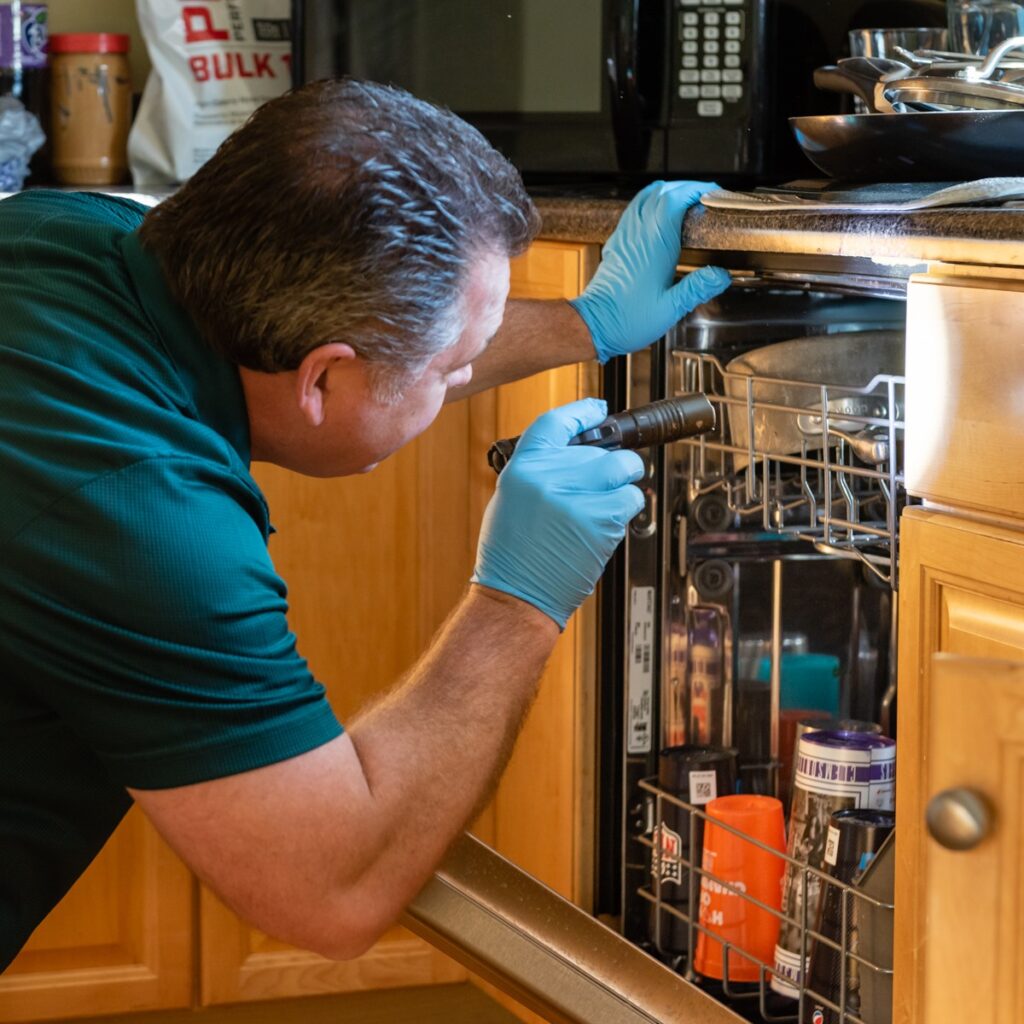
Many homeowners wait until pest activity becomes severe before seeking help, but delayed action often leads to more expensive treatment needs later. Ants, termites, cockroaches, rodents, spiders, mosquitoes, fleas, ticks, and other pests usually become more difficult to manage once infestations spread deeper into the property. Long-term savings often come from prevention, early detection, and consistent property maintenance rather than relying only on emergency treatments.
Effective pest control focuses on reducing the conditions pests depend on for survival. Moisture, shelter, food access, structural openings, and seasonal environmental changes all influence how pests behave around homes. Understanding these factors can help property owners lower long-term pest-related expenses while protecting the home more effectively.
Prevention Usually Costs Less Than Large Infestations
One of the most effective ways to reduce pest control costs is to prevent infestations before they grow. Smaller pest issues are generally easier to manage because pests have not yet established widespread nesting areas or hidden structural activity.
- Early inspections can uncover hidden pest activity quickly
- Sealing entry points reduces recurring infestations
- Moisture correction helps limit pest survival indoors
- Routine monitoring often prevents larger treatment needs
- Seasonal prevention reduces year-round pest pressure
When homeowners delay inspections, pests may spread into attics, wall voids, crawl spaces, insulation, and outdoor harborage areas where treatment becomes more extensive. Termites, rodents, cockroaches, and ants are especially known for expanding quietly before visible activity becomes severe.
Long-term prevention strategies often help reduce repeated service costs by targeting the environmental conditions attracting pests in the first place. Homeowners interested in maintaining stronger protection throughout the year can review these preventative home strategies for additional guidance on reducing recurring pest pressure.
Address Moisture And Structural Problems Early
Pests often thrive where moisture and structural vulnerabilities remain untreated. Small plumbing leaks, damaged weather-stripping, poor drainage, and foundation gaps can create ideal conditions for insects and rodents to remain active close to the home.
- Damp areas may attract cockroaches and termites
- Standing water can increase mosquito breeding activity
- Foundation cracks may allow ants and rodents inside
- Damaged vents create hidden entry opportunities
- Dense vegetation near walls supports pest harborage
Repairing these conditions early often reduces the need for larger treatments later. Moisture management is especially important because many pests rely heavily on humid or protected environments for nesting and survival.
Professional inspections help identify these vulnerabilities before infestations spread further throughout the property. Treating pests without correcting the surrounding conditions may only provide temporary improvement while allowing activity to return later.
Seasonal Planning Helps Reduce Repeated Treatments
Pest activity changes throughout the year, which means prevention efforts should adapt accordingly. Spring, summer, fall, and winter each create different pest pressures depending on temperature, moisture, and outdoor conditions.
- Spring often increases ant and termite activity
- Summer may intensify mosquitoes and outdoor insects
- Fall encourages rodents to seek indoor shelter
- Winter can hide pests inside attics and crawl spaces
- Seasonal inspections improve long-term monitoring
Planning for seasonal pest pressure often helps reduce emergency service calls and unexpected infestations. Consistent prevention allows professionals to identify developing activity before pests fully establish themselves inside the home.
Homeowners who rely only on one-time treatments may overlook changing pest patterns caused by weather shifts or seasonal movement. More information about year-round prevention planning can be found through these seasonal prevention methods designed to support consistent property protection.
Professional pest control programs often become more cost-effective long-term because they focus on prevention and monitoring rather than reacting only after infestations grow severe.
DIY Solutions Often Lead To Repeated Costs
Many homeowners initially choose store-bought sprays, traps, or foggers to reduce expenses, but surface-level treatments often fail to address the underlying infestation. Repeated purchases, incomplete treatments, and delayed inspections may eventually increase overall costs while pests continue spreading unnoticed.
- Surface sprays may not reach hidden nesting areas
- Incorrect product placement limits effectiveness
- Untreated entry points allow pests to return
- Hidden infestations may continue expanding indoors
- Delayed professional attention often increases repair risks
Professional pest control focuses on species identification, inspection, and targeted treatment planning rather than temporary surface reduction alone. This broader approach often helps reduce repeat infestations while protecting structural areas from additional damage.
Long-term savings usually come from addressing the source of the problem early instead of repeatedly treating visible symptoms without solving the underlying cause.
Protect Your Home While Managing Long-Term Costs
Reducing pest control costs effectively depends on prevention, early inspections, moisture management, and consistent seasonal monitoring throughout the property. Small pest issues often become more expensive once infestations spread into hidden structural areas or outdoor harborage zones. Professional pest control helps identify these risks early while supporting stronger long-term prevention and fewer recurring infestations over time. For professional inspections and long-term pest prevention support, contact Greenville Pest Control.
