

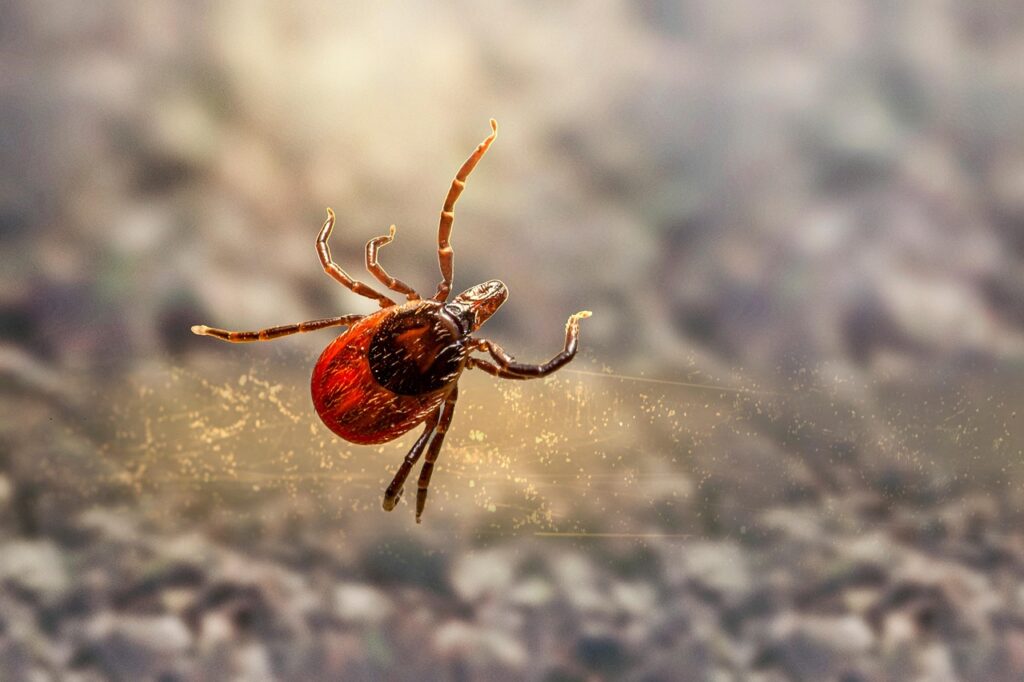
Summer gives pets more time outdoors but increases exposure to fleas and ticks. Warm temperatures, humidity, shaded yards, tall grass, wildlife movement, and frequent outdoor activity can all bring these pests closer to dogs, cats, and the places where they rest.
Good protection requires more than reacting after scratching or bites begin. Effective pest control considers pets, indoor resting areas, outdoor harborage, and animal carriers.
Keep Pets Away From High-Risk Outdoor Areas
Fleas and ticks do not spread evenly across a yard. They tend to concentrate where shade, moisture, vegetation, and passing hosts provide favorable conditions. Dogs and cats can pick them up while walking through grass, resting near shrubs, exploring fence lines, or spending time around porches and patios.
Higher-risk areas can include:
- Tall grass where ticks may wait for a passing host.
- Shaded soil beneath shrubs, decks, and outdoor furniture.
- Leaf piles, woodpiles, and yard debris that retain moisture.
- Fence lines and wooded borders are used by wildlife or rodents.
- Pet resting areas, kennels, patios, and outdoor bedding.
Summer conditions can intensify several pest problems across the region. A closer look at seasonal pest pressure shows how heat, moisture, storms, and outdoor activity can increase exposure to fleas, ticks, mosquitoes, ants, cockroaches, termites, rodents, spiders, birds, and stinging insects.
Check Pets and Their Resting Areas Regularly
A pet can carry fleas or ticks indoors without an obvious sign at first. Fleas may remain hidden beneath fur, while ticks can attach in areas that are easy to overlook. Once fleas enter the home, eggs can fall into carpet fibers, furniture seams, pet bedding, and low-traffic corners.
Regular checks are important after walks, yard time, boarding, grooming visits, or trips through wooded and grassy areas. Pay particular attention to the ears, neck, legs, paws, and other protected areas where ticks may attach.
Pet bedding, blankets, crates, and favorite sleeping spaces also deserve attention. When scratching, bites, or sightings continue, professional inspection can help determine whether the source is indoors, outdoors, pet-related, wildlife-related, or combined.
Understand How Fleas and Ticks Reach the Property
Pets are not the only carriers. Rodents, birds, and other animals can move fleas and ticks through yards, crawl-space openings, sheds, porches, and fence lines. Pets may encounter parasites even when the immediate lawn appears clean.
Common contributors include:
- Wildlife or rodents moving through shaded parts of the yard.
- Gaps or sheltered spaces that allow animals to nest near the structure.
- Dense vegetation that gives hosts protected travel routes.
- Outdoor food or water sources that attract animal activity.
- Pet-access areas located close to wooded edges or fence lines.
One-time treatment of a visible flea or tick does not address conditions that may keep introducing new pests. Long-term protection is stronger when the property is assessed as a connected environment.
Do Not Ignore Hidden Indoor Flea Development
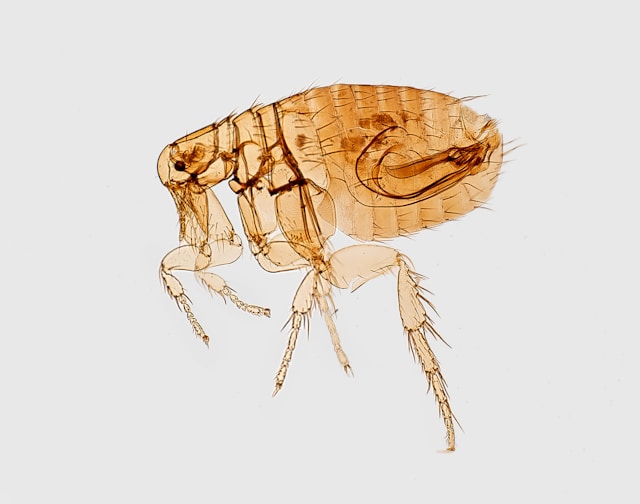
Fleas are difficult because their life cycle continues beyond the adult stage. Eggs, larvae, and pupae may remain in protected indoor areas, which can make an infestation seem to disappear and return later.
This is why the causes of infestations extend beyond one pet or one room. Carpets, rugs, upholstered furniture, pet bedding, floor gaps, and quiet corners can all become part of the problem.
A complete response may consider:
- Where pets sleep, rest, and spend the most time indoors.
- Whether flea activity is concentrated in carpets, furniture, or bedding.
- Whether rodents or birds are contributing to repeated exposure.
- Which outdoor areas provide shade, moisture, or shelter for pests?
- Whether follow-up monitoring is needed as hidden life stages continue developing.
Professional pest control can help connect these pieces. That broader view matters when visible adults are only one part of an established infestation.
Combine Pet Care With Property-Wide Pest Control
Protecting pets from fleas and ticks works best when veterinary guidance and property management support each other. Veterinarian-recommended preventive products can help protect the animal directly, while professional pest control addresses environmental conditions around the home and yard.
A property-wide plan may involve inspecting shaded lawn edges, pet areas, fence lines, porches, crawl-space access points, and other places where fleas, ticks, rodents, birds, or wildlife activity may overlap. Treatment can then be focused on the areas that actually support pest pressure.
This matters during summer because warm weather can speed flea development and increase tick activity in grass, brush, and shaded outdoor areas. Frequent pet movement between indoors and outdoors may also carry pests into resting spaces before anyone recognizes the pattern.
The goal is to reduce exposure, identify the source, address hidden development, and monitor conditions that can lead to repeat problems. Professional evaluation becomes especially valuable when pets continue showing signs of exposure or when activity returns despite previous efforts.
Keep Summer Adventures Safer for Your Pets
Fleas and ticks can follow pets from the yard into the home, making early attention important for long-term protection. Contact Greenville Pest Control for professional pest control focused on careful inspection, targeted treatment, and the conditions affecting your property.
