

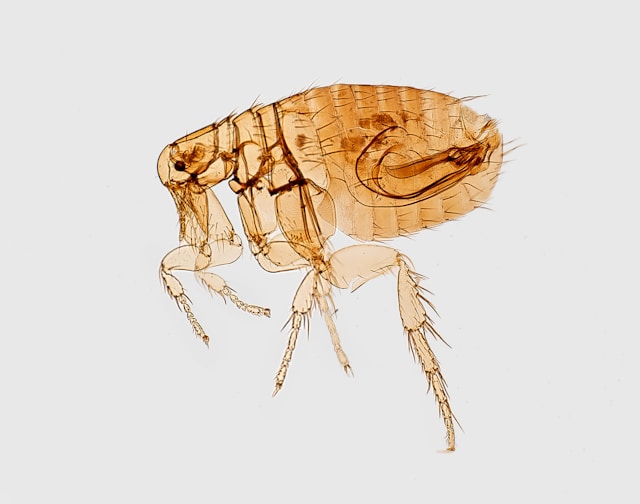
A flea and tick infestation rarely begins with one obvious event. More often, it builds quietly through pets, wildlife, shaded yard conditions, and indoor areas where pests keep developing unnoticed. Fleas may settle into carpets, rugs, furniture, and pet bedding, while ticks often stay closer to lawns, fence lines, brush, and wooded edges. Understanding what draws them in explains why a one-time reaction is rarely enough for long-term relief.

Pets Carry Pests Indoors
Pets are one of the most common ways fleas and ticks reach a home. Dogs and cats move through grass, trails, patios, and shaded corners where these pests wait for a host. Once they hitchhike indoors, fleas can lay eggs in places pets rest often.
- Pets may pick up fleas or ticks during walks, boarding, grooming visits, or outdoor play.
- Bedding, crates, blankets, and favorite resting spots can hold eggs, larvae, or adult fleas.
- Indoor-only pets are not fully protected if pests enter on people, visiting animals, or rodents.
This is why pet activity should be viewed as part of the property’s larger pest picture. Professional inspection helps connect indoor signs with outdoor conditions.
Wildlife And Rodents Around The Property
Fleas and ticks do not depend only on household pets. Mice, rats, squirrels, raccoons, skunks, deer, birds, and other wildlife can carry them across a property. When these animals pass through yards, crawl space openings, sheds, porches, or fence lines, fleas, eggs, or engorged ticks may drop into the environment.
Rodents can create repeated pressure around a structure, especially when gaps, clutter, food sources, or sheltered nesting areas are present.
Properties with frequent wildlife movement may experience recurring issues even when pets are maintained carefully. As explained in discussions about summer flea activity, warmer seasons can make outdoor sources more noticeable because host animals are more active. A careful service approach looks beyond the bite and considers how pests are being introduced.
Yard Conditions That Give Fleas And Ticks Shelter
Outdoor conditions often decide whether a small pest issue becomes a larger home concern. Fleas and ticks prefer shade, moisture, cover, and access to passing hosts. A dry, open lawn may be less inviting than a yard with dense growth, leaf buildup, and protected edges.
- Tall grass gives ticks a place to wait for people, pets, and wildlife.
- Leaf piles, woodpiles, and yard debris can protect fleas and ticks from direct sun.
- Overgrown shrubs near the house create shaded pathways for rodents and other hosts.
- Fence lines, crawl space areas, and wooded borders can become repeat pest zones.
These conditions can feel like normal yard features. However, when they sit close to doors, patios, pet areas, or crawl space access points, they can help pests move closer to the home. Professional flea and tick service works best when it considers both visible pest pressure and environmental factors.
Warm Weather Speeds Up Activity
Seasonal weather plays a major role in flea and tick pressure. Warm temperatures and humidity can help fleas develop more quickly, while ticks become more active in grass, brush, and shaded outdoor areas. In South Carolina, this makes spring and summer important seasons for monitoring.
Fleas are especially concerning because they can complete their life cycle indoors after being introduced. A few adults may not seem alarming, but eggs can fall into carpet fibers, furniture seams, and pet bedding. By the time bites become frequent, the infestation may already include multiple life stages.
Ticks behave differently. They are more likely to remain outdoors, waiting in vegetation until a host brushes past. They can still be carried inside on clothing or pets.
This is why articles about warmer-month spikes are relevant for homeowners who notice problems returning at the same time each year. Seasonal timing often reflects biology, weather, host movement, and untreated outdoor harborage working together.
Hidden Indoor Areas Let Fleas Continue
Once fleas enter a home, the problem can become harder to see and harder to stop. Adult fleas are only one part of the issue. Eggs, larvae, and pupae can settle into protected indoor spaces where they are not always reached by quick cleaning or surface-level treatments.
- Carpets and rugs can hold flea eggs and larvae below the surface.
- Upholstered furniture may protect developing fleas in seams and creases.
- Pet bedding can become a concentrated source if pests are already present.
- Baseboards, floor gaps, and low-traffic corners may hide activity between sightings.
This hidden development is one reason a flea and tick infestation can seem to disappear and then suddenly return. Visible adults may be reduced, but the next stage can continue emerging if the full environment is not addressed. A professional evaluation helps determine whether the issue is indoors, outdoors, pet-related, wildlife-related, or a combination.
Keep Your Home Comfortably Protected
For careful inspection, targeted treatment, and practical prevention support, contact Greenville Pest Control for help managing flea and tick concerns.
