

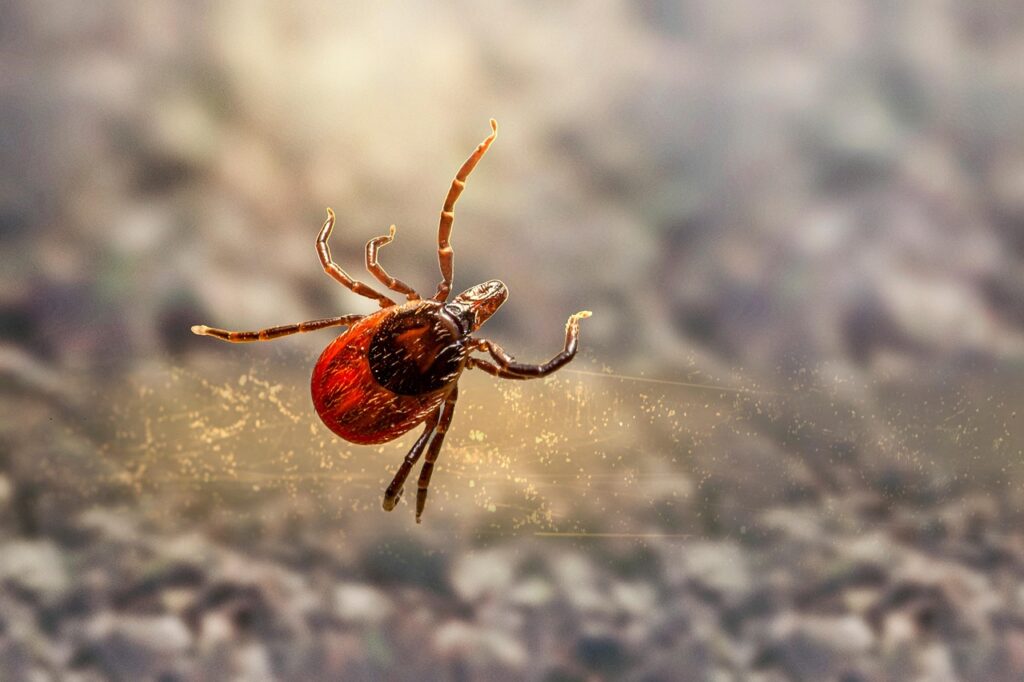
Summer changes the way outdoor pests behave around Greenville homes. Heat, humidity, shaded lawns, pet activity, and wildlife movement can all help fleas and ticks become more active. These pests are small, but their impact can feel large once they begin moving between yards, pets, and indoor resting areas.
Flea and tick problems often increase because summer gives them the conditions they need to survive and spread. Grass stays warmer, shaded soil holds moisture, and outdoor activity rises. Pets spend more time outside, children use the yard more often, and open doors can make the boundary between outdoor and indoor spaces easier for pests to cross. Effective flea and tick control starts with understanding those seasonal conditions before activity becomes difficult to manage.

Warm weather speeds up pest activity
Fleas and ticks respond strongly to summer conditions. Fleas can develop faster in warm, humid environments, while ticks become more active in grass, brush, and shaded areas where passing hosts are likely. This is why a yard that looked quiet in spring may suddenly seem uncomfortable during the hottest months.
Greenville’s warm-weather season can also support other pests listed in local pest control services, including cockroaches, spiders, ants, bed bugs, termites, rodents, and birds. When multiple pests find food, water, or shelter near the same property, outdoor conditions can become more complex.
- Heat: Warm temperatures support faster flea development and more active tick movement.
- Humidity: Moist air and damp ground help pests survive in shaded lawn areas.
- Shade: Bushes, decks, fences, and tall grass provide cooler places for pests to wait.
- Hosts: Pets, rodents, birds, and wildlife can move fleas and ticks across the yard.
A closer look at warm-month spikes shows why these infestations often rise when temperatures stay high.
Yards create protected hiding places
Fleas and ticks do not spread evenly across every part of a yard. They often concentrate where shade, moisture, and host activity overlap. Fence lines, tree bases, mulch beds, crawl-space edges, porch steps, and pet-resting spots can all become high-activity areas. Overgrown grass and leaf debris can also create low-disturbance spaces where pests avoid direct sunlight.
This is one reason general observation can be misleading. A homeowner may not see pests in open lawn areas, but activity may still be present in cooler corners or along travel paths used by pets and rodents. Professional inspection helps identify where pests are most likely to develop and how surrounding conditions support them.
- Grass: Tall or dense grass can protect fleas and ticks from the sun and heat.
- Mulch: Damp mulch and leaf litter can hold moisture around shaded areas.
- Edges: Fence lines, shrubs, decks, and crawl-space borders often create sheltered movement routes.
- Pets: Favorite play, rest, and potty areas can become repeated exposure points.
Pets and wildlife increase the spread
Pets are often the first sign of a flea or tick concern, but they are not always the source. Dogs and cats can pick up pests from the yard, but rodents, birds, and other wildlife can also carry them onto the property. Once fleas or ticks are introduced, they may continue cycling through shaded areas, bedding zones, carpets, and upholstered spaces.
Rodent and bird activity matters because these animals can create movement patterns that bring pests closer to homes. If a yard offers shelter, food, water, or nesting opportunities, animal traffic may increase. That traffic can keep flea and tick pressure active even when the most obvious symptoms appear indoors.
- Rodents: Mice and rats can move through fences, crawl-space edges, garages, and storage areas.
- Birds: Nesting or resting birds can contribute to pest pressure near rooflines and ledges.
- Bedding: Pet bedding, rugs, and soft furniture may show signs after outdoor exposure.
- Routine: Frequent outdoor play can increase contact with shaded pest zones.
Consistent service helps reduce recurring problems
Flea and tick issues can become frustrating when treatment focuses only on the visible symptom. Summer pressure changes with rainfall, heat waves, mowing schedules, pet routines, and nearby wildlife activity. A one-time response may not address where pests are developing or why they keep returning.
A steady pest control approach reviews the property as a connected environment. It considers the yard, foundation, shaded areas, pet zones, crawl-space edges, and possible host movement. This kind of planning can also support broader protection against cockroaches, spiders, ants, bed bugs, termites, rodents, and birds when those concerns are present.
Homeowners looking for a smarter way to manage expenses may benefit from cost-saving prevention, because early attention often helps reduce larger, more stressful problems later.
Long-term service means watching seasonal patterns, adjusting service when conditions change, and focusing on the parts of the property where pests are most likely to survive. For fleas and ticks, that consistent rhythm is especially important during summer.
Make Summer Outdoor Spaces Feel Safer
For a safer, more comfortable home through every season, contact Greenville Pest Control for professional pest protection against fleas, ticks, cockroaches, spiders, ants, bed bugs, termites, rodents, birds, and more
