

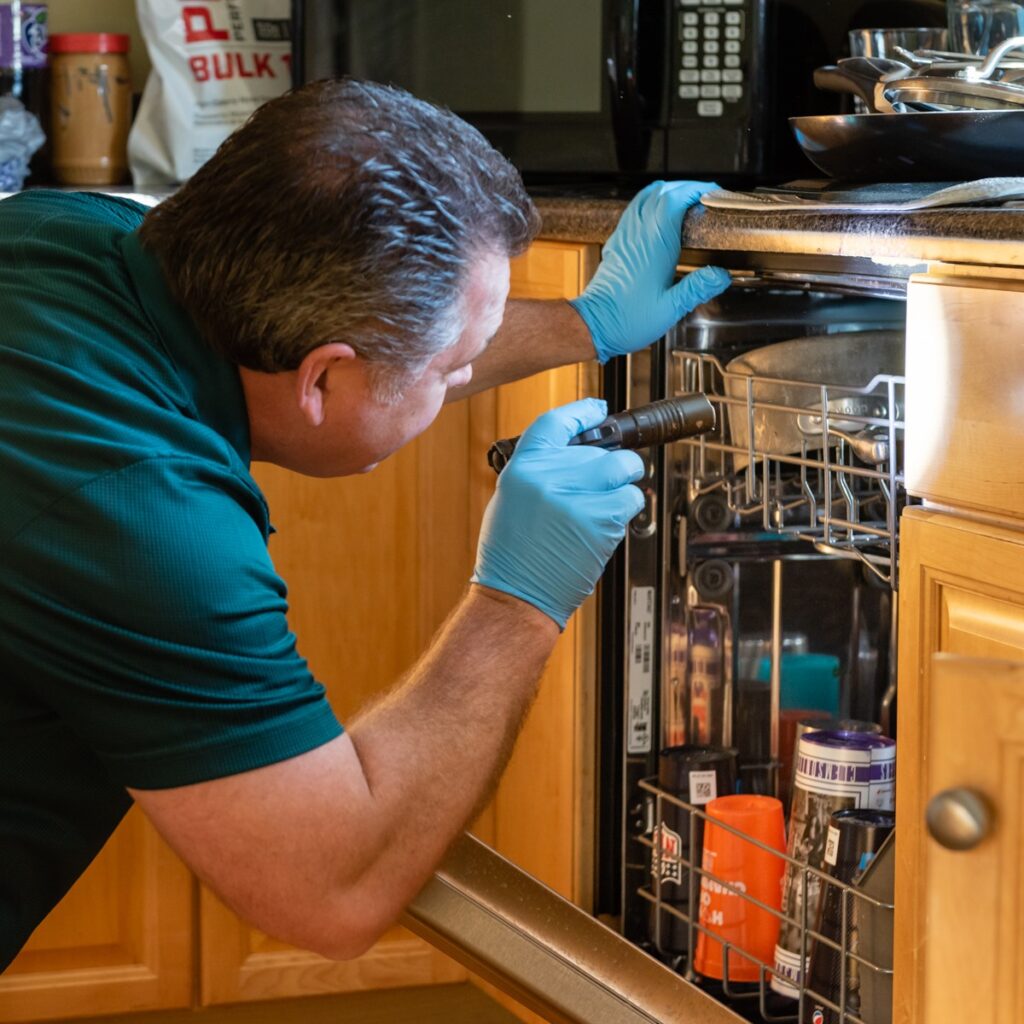
Summer humidity changes the environment inside and around Greenville homes. Moist air can collect in crawl spaces, bathrooms, kitchens, garages, basements, and utility areas, while storms and irrigation keep exterior soil damp. These conditions help many pests find water, shelter, and stable temperatures close to occupied rooms.
Professional pest control looks beyond the insect or animal that was first noticed. Technicians evaluate humidity, leaks, drainage, entry points, food sources, nesting areas, and seasonal movement together. This broader approach helps explain why activity increased and which conditions must be addressed for more dependable, long-term protection. It also keeps recommendations tied to confirmed evidence instead of isolated sightings.
Humidity Supports Survival And Faster Pest Activity
Many pests depend on moisture directly or benefit from the insects that gather around it. Cockroaches may settle near plumbing, drains, appliances, and damp storage areas. Ants can trail toward sinks or pet bowls. Spiders often appear where humidity-supported insects provide a steady food source. Rodents may use moist crawl spaces or garages as protected nesting zones.
Common humidity-related warning signs include:
- Condensation around pipes, windows, vents, or appliances
- Musty odors in crawl spaces, cabinets, or storage rooms
- Pest sightings near sinks, drains, bathrooms, and laundry areas
- Damp cardboard, insulation, wood, or stored belongings
- Repeated activity after storms or heavy irrigation
These signs do not identify the pest by themselves, but they help technicians locate conditions that may be supporting indoor activity.
Summer Pressure Often Begins Outside The Home
Greenville’s heat, rainfall, thick vegetation, shaded soil, and outdoor activity can increase pest populations around the property before they move inside. Mosquitoes may develop in standing water. Fleas and ticks can build around lawns, pets, rodents, or birds. Termites may follow damp soil and protected foundation routes. Stinging insects can establish nests near eaves, shrubs, sheds, or other sheltered areas.
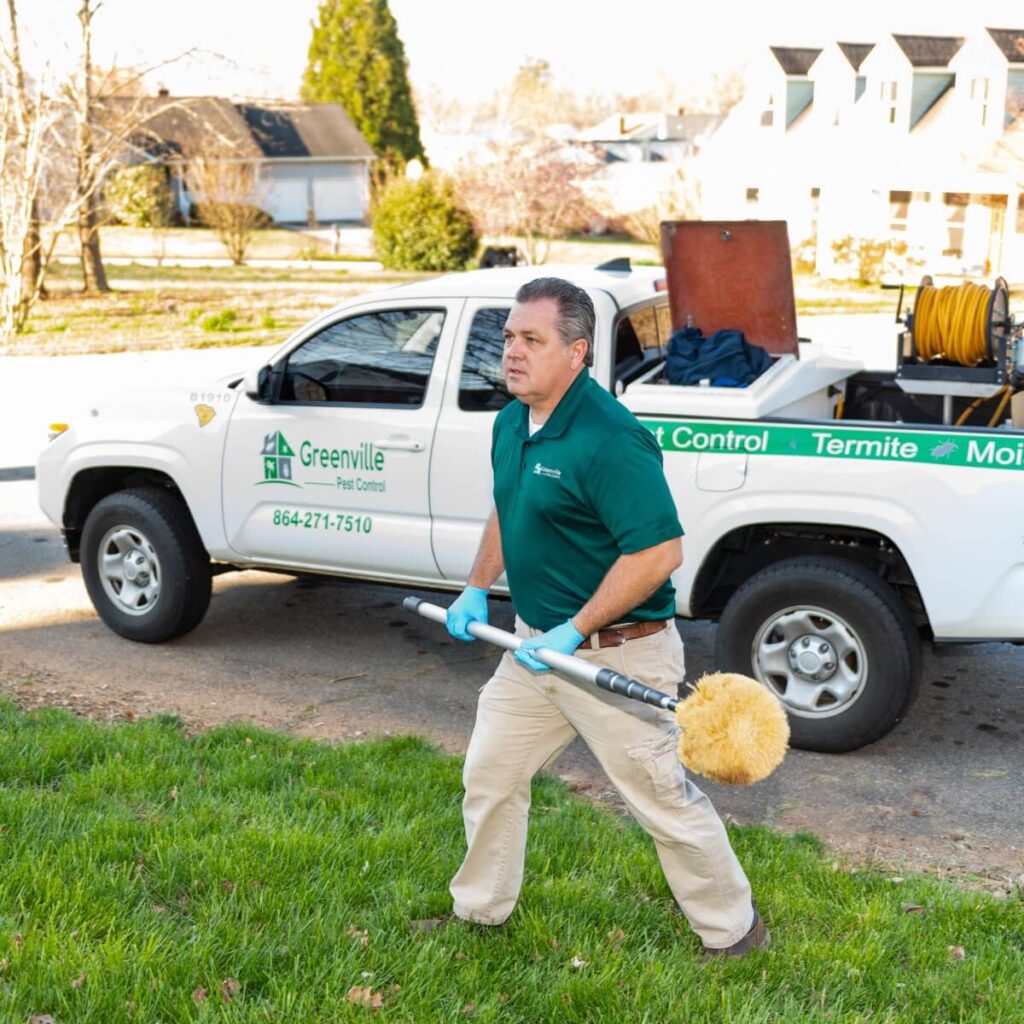
A closer look at summer pest pressure shows why moisture, landscaping, yard debris, drainage, and structural gaps should be evaluated together. When outdoor conditions remain favorable, open doors, damaged screens, vents, plumbing lines, and foundation cracks can turn exterior activity into an indoor pest problem.
Professional inspection helps distinguish a temporary seasonal sighting from a developing infestation connected to the property’s moisture and access conditions.
Damp Indoor Areas Create Hidden Harborage
Humidity becomes more difficult to manage when it combines with leaks, poor airflow, clutter, or concealed structural spaces. Pests may remain behind appliances, inside cabinets, beneath insulation, along wall voids, or around plumbing penetrations long before activity becomes obvious.
Technicians may inspect:
- Kitchens and bathrooms for leaks, condensation, and drain-side activity
- Crawl spaces and basements for damp soil, wood, or insulation
- Garages and storage rooms for clutter and pest-access routes
- Attics and rooflines for birds, rodents, insects, or moisture intrusion
- Doors, windows, vents, and utility openings for structural gaps
This property-wide inspection is important because the room where a pest appears may not contain the source. A cockroach near a sink may be moving from a wall void, while ants at a counter may originate from an exterior colony.
Delayed Moisture Correction Can Increase Treatment Costs
A small leak or damp corner may seem unrelated to pest activity, but continued moisture can allow populations to persist and spread. Repeated surface treatment may reduce visible insects temporarily without correcting the water source, nesting area, or entry point supporting them.
Guidance on lowering control costs explains why early inspection, moisture correction, and prevention are often more efficient than waiting for a larger infestation. Once termites, rodents, cockroaches, ants, bed bugs, fleas, ticks, or other pests reach hidden structural areas, treatment may require more time, monitoring, and follow-up.
Early professional attention can keep service focused. Accurate identification and targeted placement reduce unnecessary treatment while helping technicians address conditions that could cause activity to return.
Long-Term Control Requires Coordinated Moisture Management
Humidity cannot be eliminated from a South Carolina summer, but property conditions can be managed. Effective pest control connects treatment with drainage, ventilation, exclusion, sanitation, monitoring, and seasonal adjustments. The exact plan depends on the pest, property layout, moisture source, and evidence found during inspection.
A long-term strategy may include:
- Correcting plumbing leaks and recurring condensation
- Improving drainage around gutters, foundations, and low-lying areas
- Keeping crawl-space vents and other airflow routes unobstructed
- Sealing entry points after active pest routes are identified
- Scheduling follow-up based on life cycles and seasonal pressure
Professional service also helps homeowners avoid one-size-fits-all decisions. Greenville properties may face ants, bed bugs, cockroaches, termites, rodents, birds, mosquitoes, fleas, ticks, spiders, and stinging insects, but each requires a different treatment and prevention strategy.
Summer humidity often acts as the common support condition linking several pest problems together. Reducing excess moisture, finding hidden activity, and monitoring vulnerable spaces can limit the food, water, and shelter pests rely on. A trained technician can connect those factors and adjust the plan as weather and property conditions change.
Keep Humidity From Inviting Pests Inside
Contact Greenville Pest Control for professional inspection, targeted treatment, moisture-focused prevention, and reliable seasonal follow-up.
