

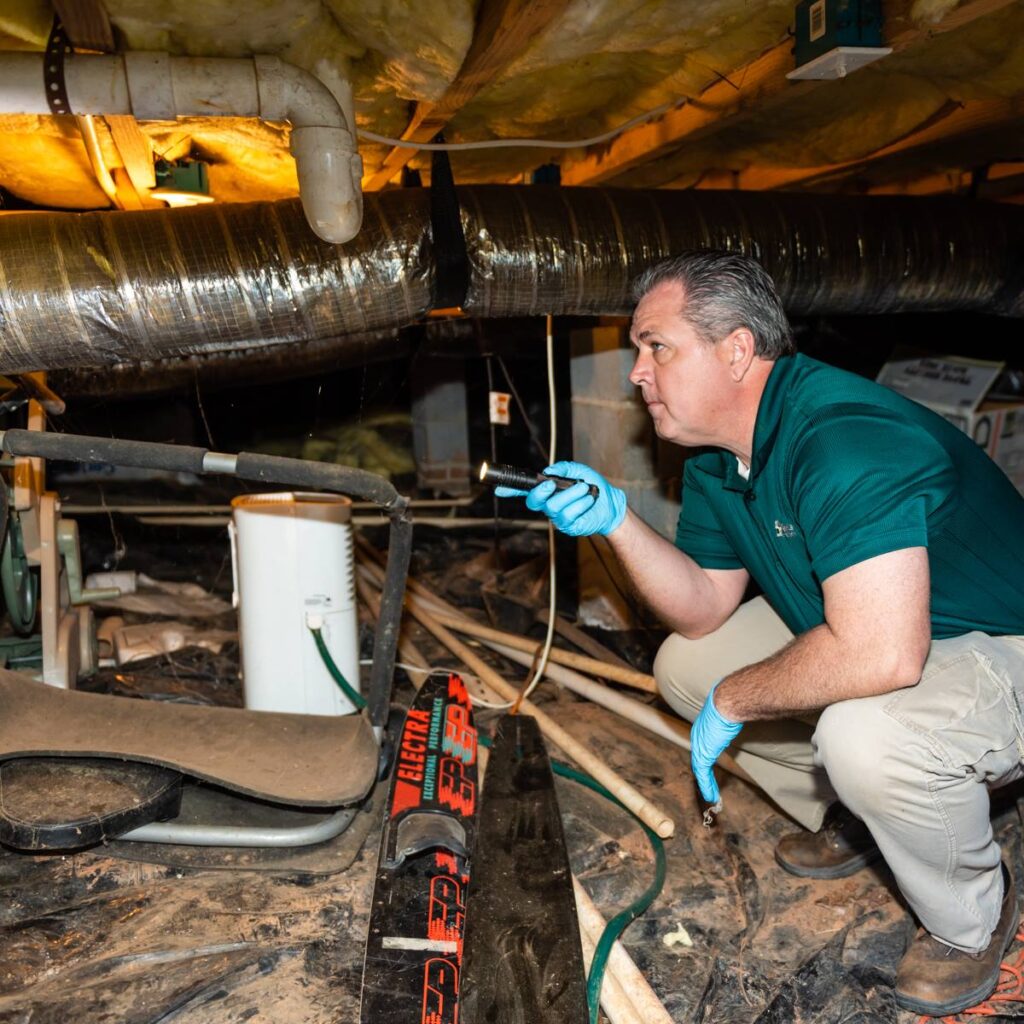
Pest behavior is closely linked to changes in temperature, moisture, and food availability, all of which fluctuate throughout the year. As the seasons shift, so do the habits and nesting patterns of common pests, including ants, rodents, spiders, mosquitoes, and stinging insects. Recognizing these seasonal changes allows homeowners to take timely steps to prevent infestations and reduce the risks of pest-related damage or health hazards. This guide explains how pests respond to each season and what you can do to protect your home in advance.
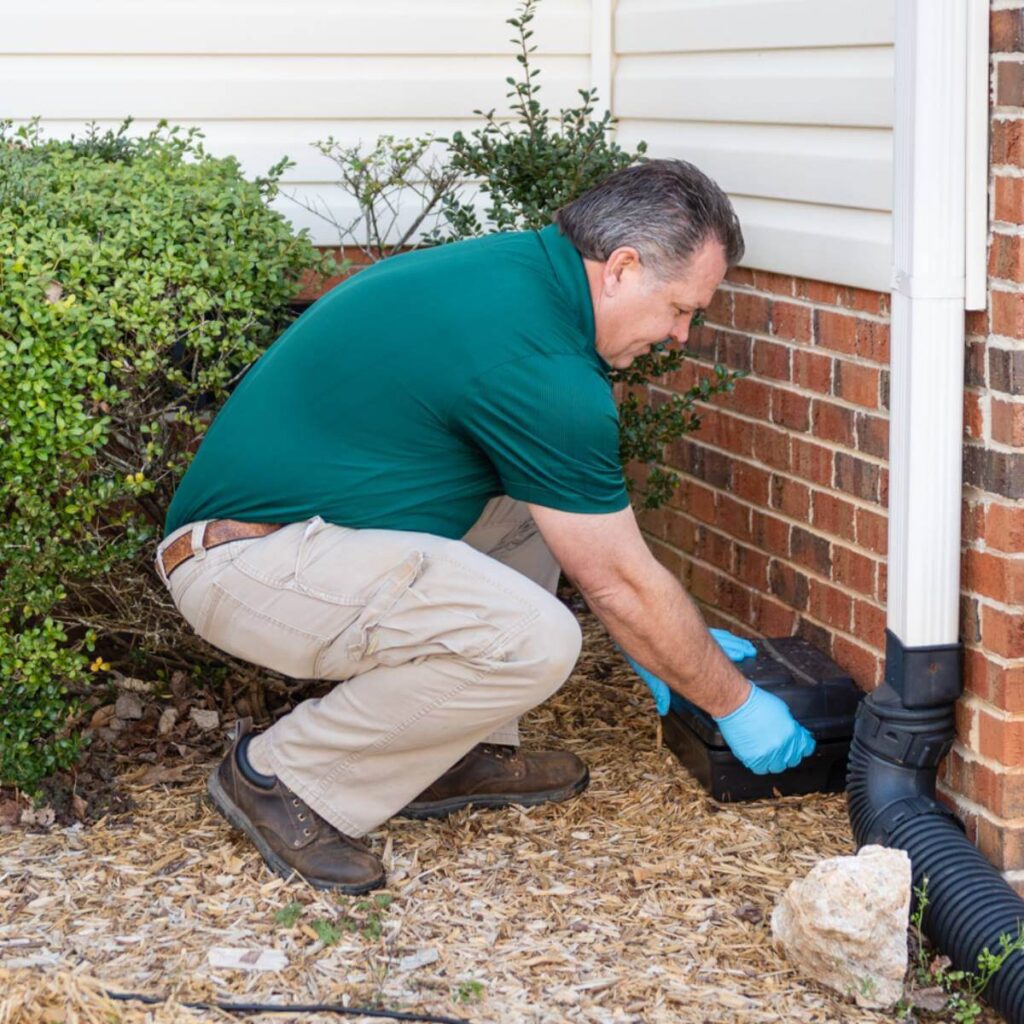
Spring Awakening: Increased Movement and Nesting
As winter ends and temperatures begin to rise, many pests emerge from dormancy or migrate toward warmer environments. Spring marks the beginning of increased pest behavior, particularly for insects and rodents seeking food and nesting grounds.
- Ants begin forming new colonies and often enter homes through cracks in search of moisture and sugar.
- Wasps and hornets become more active, scouting locations for new nests under eaves or in sheds.
- Mice and rats, which may have nested indoors during winter, become more visible as they forage outside.
- Spiders follow the insect activity indoors, increasing sightings in garages, basements, and attics.
Spring is an ideal time to inspect for early signs of nesting and reinforce preventative measures. Clean out storage areas, seal cracks, and trim overgrown vegetation to reduce entry points. Early intervention is essential to control population growth throughout the warmer months.
Summer Surge: Peak Pest Activity
Summer is typically the busiest season for pest control due to high heat, humidity, and abundant food sources. Pest behavior intensifies as many species reach their peak reproductive cycles, leading to larger infestations if not properly managed.
- Mosquitoes thrive in stagnant water and multiply rapidly near birdbaths, clogged gutters, and overwatered lawns.
- Stinging insects become more aggressive, especially near outdoor trash, food scraps, and sugary drinks.
- Ant infestations can worsen, particularly in kitchens, bathrooms, and patios.
- Bed bugs become a bigger concern as travel increases during summer vacations and hotel stays.
Travelers should take extra precautions to avoid bringing home unwanted pests. If you’re unsure what to look for or how to act quickly, this helpful guide on bed bug problems provides practical tips for spotting and handling early signs of activity.
Fall Transition: Seeking Shelter Indoors
When temperatures begin to cool in the fall, pest behavior shifts again. Many pests begin to seek shelter in warmer indoor spaces to overwinter. This transition period is a critical time to close gaps, remove attractants, and secure your home.
- Rodents, including rats and mice, begin entering homes through small openings to escape dropping temperatures.
- Stink bugs, boxelder bugs, and ladybugs congregate on sunlit walls before slipping into attics and crawlspaces.
- Spiders increase web-building indoors as they follow insects that are also moving inside.
- Wasps and hornets become more aggressive toward the end of their lifecycle, especially near their nests.
Preventing entry during this season is vital. Repair window screens, apply door sweeps, and seal entry points around utility lines. Pay attention to attics and garages, where pests are likely to settle unnoticed.
Winter Slowdown: Dormancy and Indoor Hiding
Winter does not eliminate pest activity entirely. While insect movement outdoors typically slows down, some pests remain active indoors or use your home as a place to hide until spring. Rodents, in particular, continue to cause problems throughout the colder months.
- Mice and rats gnaw through insulation, wiring, and packaging in search of shelter and food.
- Cockroaches are drawn to warm, moist areas like under sinks and inside wall voids.
- Silverfish and pantry pests may appear in basements or kitchens.
- Bed bugs remain active indoors regardless of outdoor temperature.
Routine maintenance is important during winter. Store firewood away from the house, keep food in sealed containers, and continue monitoring for signs of droppings, gnaw marks, or foul odors. Professional inspections during the winter help catch hidden infestations before they grow in spring.
How to Prepare Year-Round
Understanding seasonal shifts in pest behavior allows you to plan ahead instead of reacting after a problem arises. Each season presents its own risks, but consistent prevention can help minimize infestations and protect your home year-round.
- Spring and summer: Focus on outdoor maintenance, reducing moisture, and controlling breeding grounds for mosquitoes and ants.
- Fall: Seal all entry points and prepare for overwintering pests. Conduct thorough inspections of attics, crawlspaces, and garages.
- Winter: Maintain indoor cleanliness, store food securely, and keep up with rodent-proofing tasks.
- Ongoing: Schedule seasonal inspections and consider sustainable options. Eco-friendly pest control can help reduce reliance on harsh chemicals while still offering strong protection.
Seasonal preparation is a cycle, not a one-time effort. Adapting your pest control habits throughout the year ensures your home stays pest-resistant, no matter the season.
Protect Every Season with Confidence
Each season brings new pest challenges, but none should catch you off guard. When you understand pest behavior and act early, you stay in control.For expert support in preparing your home for seasonal pest activity, contact Greenville Pest Control and build a defense plan that works all year long.
