

Pest control is not one-size-fits-all. Every property, whether a private residence or commercial building, faces its own unique challenges when it comes to managing unwanted pests. The right pest control plan depends on several factors, including the type of pest, the extent of the issue, the structure of the building, and the property owner’s long-term goals. Without a tailored approach, pest issues can return or remain partially addressed, causing frustration and added expense over time.
A comprehensive strategy focuses on precision and sustainability. Understanding your specific needs will help you select a plan that keeps your environment clean, safe, and pest-free year-round.
Assessing Your Property’s Pest Risks
Before choosing a plan, it’s important to assess your property’s unique vulnerabilities. Factors like geographic location, seasonal changes, building age, and surrounding landscaping all influence pest pressure.
- Residential homes may struggle with ants, spiders, or mosquitoes during warmer months. Older homes may also attract rodents during colder seasons.
- Commercial properties often deal with cockroaches, flies, or mice, especially in food service or storage settings.
- Multi-unit structures like apartments or duplexes can experience cross-infestations from neighboring units if not addressed early.
- Outbuildings or garages may attract occasional invaders such as silverfish, centipedes, or even wasps.
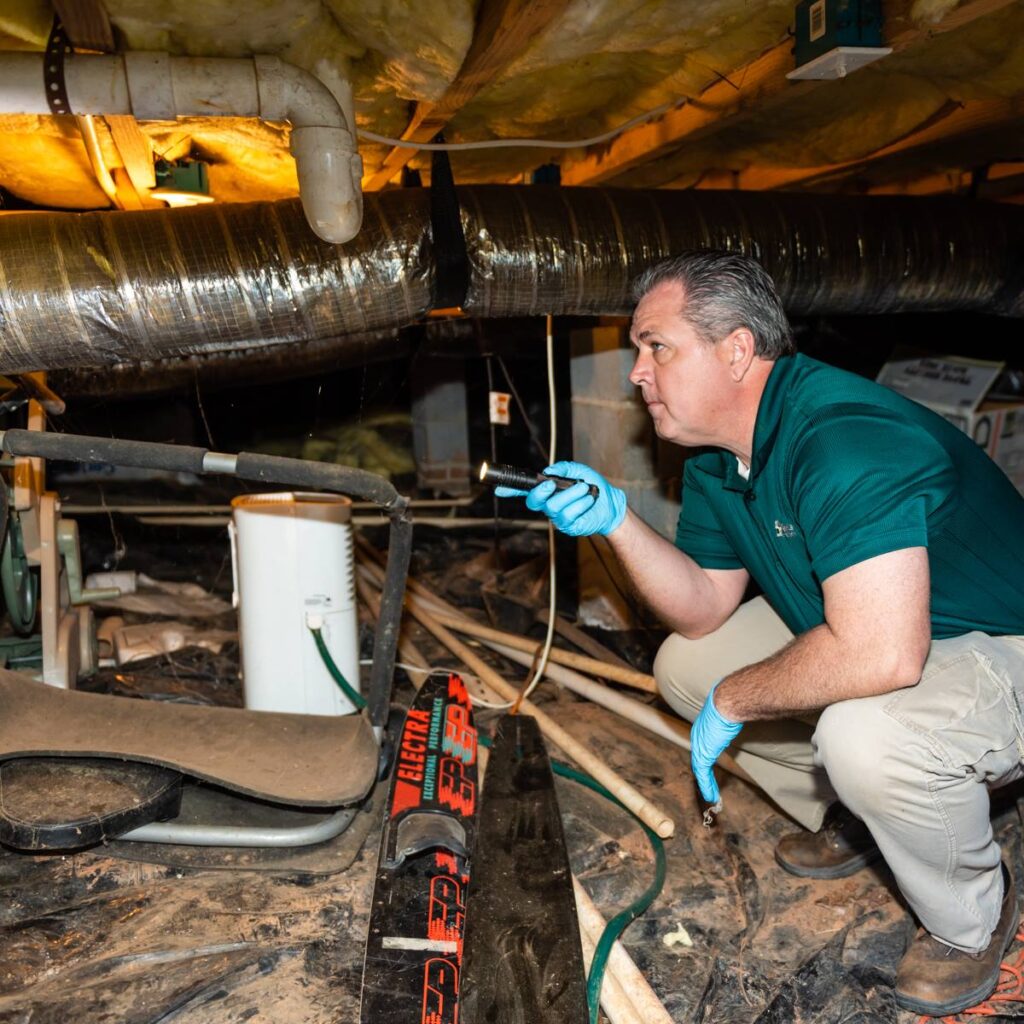
A proper inspection helps determine the type of infestation and the structural access points pests are using. In commercial settings, scheduling regular pest inspections ensures early detection and helps avoid regulatory or health issues tied to pest presence.
Types of Pests and Their Control Needs
Each pest species requires a distinct treatment strategy. Understanding what you’re dealing with is essential for selecting the most effective plan. Here are some common pests and considerations:
- Ants: These can enter through the smallest cracks and may require targeted baiting and barrier treatment to eliminate colonies.
- Cockroaches: Especially common in kitchens and damp areas, cockroaches often need a combination of sanitation and residual treatments.
- Rodents: Mice and rats may require exclusion methods, traps, and routine monitoring, especially during seasonal transitions.
- Spiders: While most are harmless, spider populations often indicate underlying insect issues and may require exterior perimeter defense.
- Mosquitoes: Outdoor mosquito control is often seasonal and may involve larvicide treatments and habitat removal strategies.
- Stinging insects: Wasps and hornets require immediate and careful removal, especially near high-traffic areas or entrances.
Matching the pest type with a proven treatment method ensures both immediate relief and long-term prevention.
Comparing Service Plans and Coverage Options
Once you know your property’s risk level and the pests involved, it’s time to compare available plans. Not all services are created equal. A tailored plan should address your unique concerns through:
- Initial inspection and assessment
- Customized treatment based on pest type
- Routine follow-ups or seasonal adjustments
- Exclusion methods and structural recommendations
- Ongoing monitoring or baiting systems
Here are three categories of pest control plans commonly available:
- One-time treatments: Best for isolated infestations like a wasp nest or an interior ant trail. These provide quick relief but may not prevent recurrence.
- Monthly or bi-monthly plans: These offer ongoing support for homes in high-risk areas or for properties that experience recurring pest issues.
- Seasonal protection plans: Designed to target pests based on seasonal behavior. These plans often adjust treatment focus throughout the year.
If environmental safety is a concern, many plans now include eco-friendly pest control options that reduce chemical use while remaining effective.
Why Professional Planning Makes the Difference
Choosing a pest control plan should never rely solely on cost or convenience. While it may be tempting to try over-the-counter solutions or self-treatment, these often provide short-term relief without addressing the root cause. Professionals bring:
- Expert identification: Misidentifying the pest leads to misapplied treatment and persistent issues.
- Trained application: Proper dosage, placement, and timing are critical for effectiveness and safety.
- Preventive recommendations: A trained eye can spot vulnerabilities, such as entry points or moisture buildup, that you may overlook.
- Compliance knowledge: In commercial settings, professionals ensure treatments meet health and safety regulations.
The difference lies in long-term effectiveness and peace of mind. An expert plan doesn’t just treat today’s infestation; it helps prevent tomorrow’s.
Making Your Final Choice
After evaluating your property and pest situation, choosing the right plan comes down to aligning with your goals. Ask yourself:
- Do I want ongoing prevention or one-time relief?
- Am I concerned about children, pets, or chemical sensitivity?
- Is my property prone to repeat infestations or seasonal pest surges?
- Do I need documentation or compliance reports for commercial use?
Once these questions are answered, selecting a service plan becomes more straightforward. Whether you live in a high-risk rural area or manage a restaurant downtown, the right pest control plan ensures your space stays healthy, functional, and comfortable.
The Smarter Plan Starts Here
Get a plan built around your needs, your space, and your peace of mind. Contact Greenville Pest Control today to get started with a service that fits you best.
