

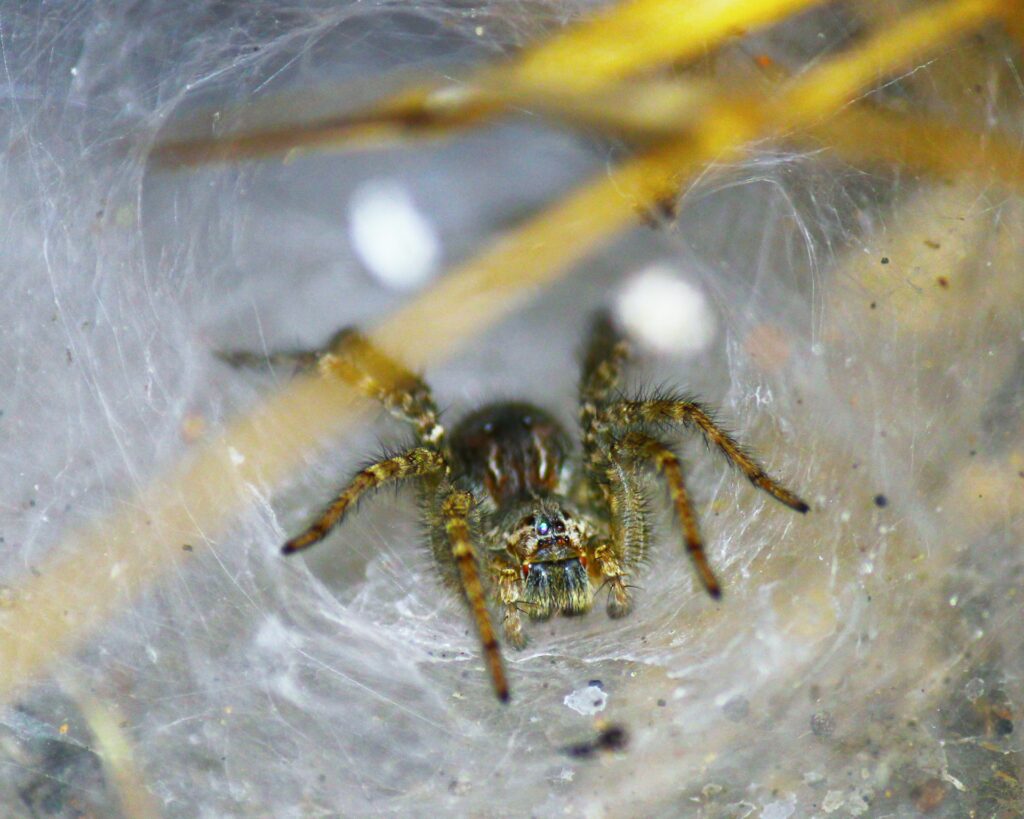
Spiders are among the most misunderstood creatures in Greenville. While they play an important role in the ecosystem by keeping insect populations under control, their presence inside a home often causes concern. The challenge for homeowners is distinguishing between harmless species and those that could pose a threat to health. This distinction is more than just academic; it can mean the difference between calmly relocating a beneficial spider and taking urgent measures to protect yourself and your family.
Learning to tell non-venomous species from venomous ones requires a combination of visual identification skills, awareness of common habitats, and understanding of spider behavior. Many local species look similar at first glance, which can lead to misidentification and unnecessary alarm. By becoming familiar with the traits that truly matter, you can approach spider encounters with confidence and know when professional spider control is warranted.

ACommon Non-Venomous Spiders in Greenville
Greenville is home to many spider species that help keep insect populations in check. Recognizing harmless varieties can prevent unnecessary alarm.
- Orb Weavers: Known for their large, circular webs, these spiders are typically colorful and non-aggressive, posing no threat to people.
- Wolf Spiders: Ground-dwelling hunters with excellent eyesight, often mistaken for more dangerous types but generally harmless.
- Jumping Spiders: Small and active during the day, identified by their short, stocky build and curious behavior.
While these spiders do not present a venom threat to humans, their presence indoors can still cause discomfort, prompting many to explore what people need to know about spiders.
Venomous Spiders to Watch For
Though less common than their harmless counterparts, venomous spiders in Greenville deserve close attention. Their bites can result in serious medical issues, making early identification essential. Two primary species in the region warrant caution:
- Black Widow: Easily recognized by their glossy black bodies and distinctive red hourglass marking on the underside of the abdomen. They favor dark, sheltered areas such as woodpiles, sheds, crawl spaces, and unused outdoor equipment. A black widow’s venom can cause muscle pain, cramping, nausea, and other systemic effects that require medical evaluation.
- Brown Recluse: Light to dark brown with a violin-shaped marking on the cephalothorax, these spiders are often found in quiet indoor spaces like closets, attics, and behind furniture. Their venom can cause localized tissue damage, which may progress without prompt treatment.
It is important to note that these spiders do not seek out human contact and will usually bite only when disturbed. However, because their hiding spots are often in areas where people store belongings or work on household projects, unintentional contact is possible. Learning where these species tend to live and how to spot them can significantly reduce your risk of a dangerous encounter.
Behavioral Differences and Risk Levels
While appearance plays a role in spider identification, behavior is often just as revealing. Understanding how different species interact with their environment can help determine the likelihood of a bite or infestation.
- Activity Patterns: Non-venomous spiders like orb weavers and jumping spiders often place themselves in more visible locations, such as gardens or window corners, where they can easily capture prey. Venomous species are more reclusive, choosing dark, hidden areas to avoid disturbance.
- Web Construction and Hunting Style: Orb weavers create large, symmetrical webs, while wolf spiders actively hunt without webs. In contrast, black widows weave irregular, tangled webs in secluded spaces, and brown recluses use minimal silk, relying on stealth to capture prey.
- Reaction to Disturbance: Harmless species tend to retreat quickly when approached, while venomous spiders may remain still or retreat slowly. This behavior is not aggression but a defensive response designed to avoid detection.
- Bite Circumstances: Most bites occur when a spider is trapped against skin or startled unexpectedly, such as when putting on stored clothing, moving boxes, or working in attics and sheds.
These behavioral traits, when observed alongside physical features, can guide you in determining whether a spider poses a real threat. By combining both visual and behavioral clues, you can make better-informed decisions about when to leave a spider alone, when to carefully remove it, and when to seek professional assistance.
Prevention Tips for Reducing Spider Encounters
Taking proactive steps can reduce the likelihood of both harmless and dangerous spiders establishing themselves indoors.
- Seal Entry Points: Caulk gaps around windows, doors, and utility lines to limit access.
- Declutter Storage Areas: Reduce hiding spots by keeping items in sealed plastic bins.
- Outdoor Maintenance: Trim vegetation away from the home and remove debris piles where spiders may shelter.
- Monitor Lighting: Use outdoor lighting strategically, as it can attract insects that draw spiders.
- Regular Inspections: Check basements, attics, and garages for signs of activity.
These preventive actions not only deter spiders but also support broader pest management efforts. Homeowners seeking consistent results often consider choosing the right pest control plan to maintain year-round protection.
When to Seek Professional Spider Control
Even with preventive efforts, some spider issues require expert intervention. If venomous species are spotted indoors, if webs are appearing repeatedly, or if infestations seem widespread, trained professionals can provide targeted solutions. Experts can identify species accurately, remove infestations safely, and offer long-term prevention strategies tailored to your home’s needs.
Attempting to handle venomous spiders without proper equipment and training can be dangerous. Professionals have the tools and knowledge to resolve the problem without unnecessary risk to people or pets.
Secure a Safer, Spider-Free Home Today
If you are concerned about venomous or persistent spiders in or around your home, prompt action is essential. For expert inspection and safe, effective solutions, contact Greenville Pest Control to protect your household from unwanted arachnid guests.
