

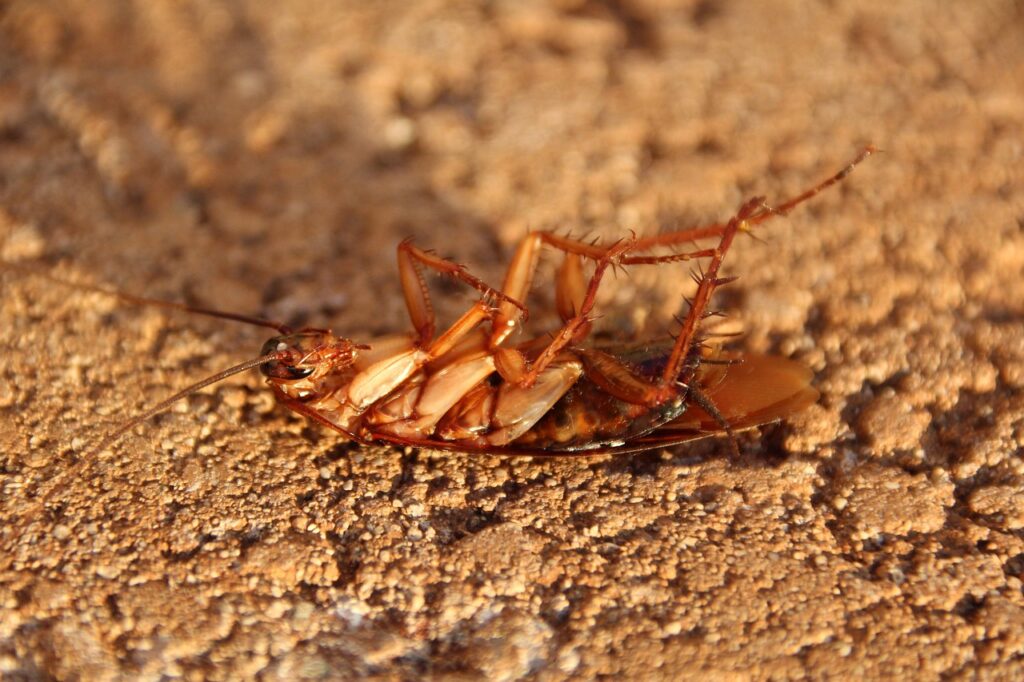
Commercial kitchens are among the most challenging environments to keep pest-free. With constant food preparation, high traffic, and abundant moisture, they create the perfect conditions for cockroaches to thrive. Preventing harborage is not only essential for health and safety but also for maintaining compliance with regulations and protecting business reputation. Understanding the strategies behind effective cockroach control ensures that infestations are stopped before they compromise food safety and customer trust.
Why Cockroach Harborage Is a Serious Risk
Cockroaches are resilient pests capable of adapting quickly to challenging conditions. In a commercial kitchen, they find everything they need: warmth, food, and water. Harborage sites, or the hidden places where cockroaches shelter, are often tucked behind appliances, inside cracks, or under sinks, making them difficult to detect.
Ignoring early signs of infestation can lead to:
- Food contamination from droppings and shed skin.
- Spread of bacteria that causes illnesses such as Salmonella.
- Health code violations result in costly fines.
- Damage to brand reputation as customers notice pests.
For businesses, cockroach control must be proactive and systematic. Relying solely on reactive measures can make infestations harder to eliminate and more expensive over time. For a closer look at elimination methods, the article on what it takes to get rid of cockroaches provides further insight into eradication practices.
Sanitation Practices to Reduce Harborage
Sanitation is the foundation of cockroach prevention. By limiting food and water access, commercial kitchens can make the environment less attractive for pests.
Key practices include:
- Regular cleaning schedules: Deep cleaning behind appliances, stoves, and refrigerators ensures no food debris or grease is left behind.
- Prompt spill management: Spills should be addressed immediately, especially around prep stations and storage areas.
- Proper food storage: All food should be stored in sealed containers and kept off the floor.
- Waste management: Trash bins should have tight-fitting lids and be emptied frequently throughout the day.
- Drain maintenance: Floor drains should be flushed and cleaned regularly to prevent buildup that attracts pests.
These steps not only reduce food sources but also remove potential harborage areas. Integrating routine cleaning with pest-conscious habits strengthens long-term protection.
Structural Adjustments to Eliminate Hiding Spots
Even with excellent sanitation, cockroaches will exploit structural vulnerabilities to find shelter. Addressing these weaknesses is a crucial step in cockroach control.
Effective structural measures include:
- Sealing cracks and gaps: Use caulking around baseboards, walls, and countertops to block hiding spots.
- Inspecting door and window seals: Tight seals prevent cockroaches from entering at night when the kitchen is quiet.
- Repairing plumbing leaks: Moisture from leaky pipes creates ideal harborage conditions beneath sinks and dishwashing stations.
- Organizing storage rooms: Avoid cluttered storage areas where cardboard boxes and paper products provide cover for pests.
- Installing kick plates: Placing kick plates on equipment prevents cockroaches from nesting beneath heavy appliances.
A proactive building maintenance routine reduces opportunities for cockroaches to settle in undisturbed areas. For further insights, see these tips for preventing pest problems before infestations take hold.
Monitoring and Exclusion Techniques
Consistent monitoring is essential in large-scale operations such as commercial kitchens. Cockroach populations can multiply quickly, so early detection is key.
Monitoring and exclusion strategies include:
- Sticky traps: Placing monitoring traps in discreet areas like under sinks, near drains, or behind ovens helps identify early activity.
- Regular inspections: Scheduled inspections by staff and pest professionals detect vulnerabilities before infestations spread.
- Exclusion barriers: Using mesh or screens for vents and drain covers helps prevent cockroach entry from external sources.
- Employee training: Staff should be trained to recognize signs of cockroaches, such as droppings, egg casings, or foul odors.
- Integrated pest management (IPM): Combining monitoring, sanitation, and exclusion creates a multi-layered approach to long-term control.
By establishing consistent monitoring practices, commercial kitchens ensure they are not caught off guard by hidden infestations.
When Professional Cockroach Control Becomes Essential
While cleaning and structural efforts are important, some infestations require professional expertise. Cockroaches are notoriously resilient, and commercial kitchens often face conditions that allow pests to persist despite strict routines.
Professional pest specialists bring advantages such as:
- Knowledge of species-specific behavior, ensuring tailored treatments.
- Access to advanced tools and products that are safe in food-handling environments.
- Long-term strategies that target both active infestations and potential harborage sites.
- Detailed documentation that helps businesses remain compliant with health regulations.
Ultimately, professional intervention ensures that infestations are eliminated at the root and future risks are minimized.
Protect Your Kitchen, Protect Your Business
Maintaining a clean, pest-free kitchen is essential for both safety and customer trust. Cockroaches will take advantage of any oversight, which is why prevention and early action matter most. For effective, long-term cockroach control tailored to your business needs, contact Greenville Pest Control today.
