

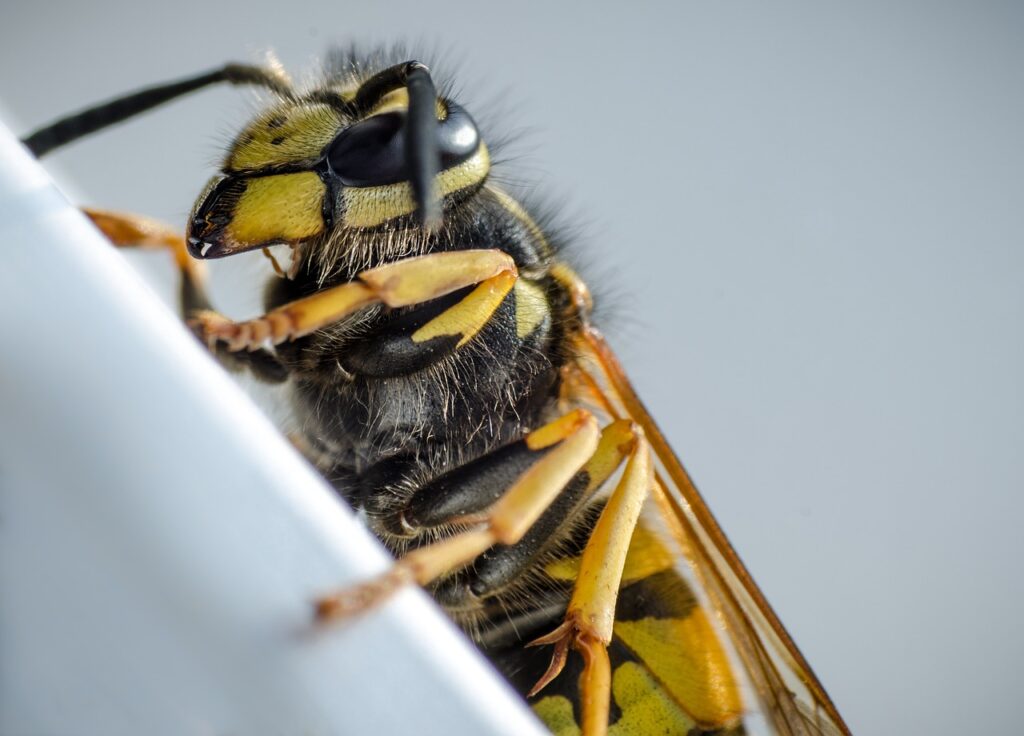
Outdoor spaces are meant for relaxation and enjoyment, but the presence of stinging insects such as wasps, hornets, and yellow jackets can quickly turn a pleasant afternoon into a stressful one. These pests are attracted to yards and gardens for food, shelter, and nesting opportunities, and once established, they can be difficult to control. Fortunately, landscaping choices can make a big difference in discouraging them. By designing your yard with prevention in mind, you can reduce nesting sites and create a less attractive environment for these pests.

Strategic Plant Selection
The types of plants in your landscape play a major role in attracting or deterring stinging insects. Some flowering species, while beautiful, are magnets for wasps and bees. Choosing the right plants can reduce activity around gathering spaces such as patios, decks, or children’s play areas.
- Limit overly fragrant flowers: Sweet-smelling blooms like peonies, roses, or fruit trees attract large numbers of stinging insects. Place them away from high-traffic zones if you want to keep them in your yard.
- Choose greenery instead of blooms: Ornamental grasses, evergreens, and ferns add texture and beauty to landscapes without drawing excessive insect attention.
- Use insect-repelling plants: Mint, eucalyptus, and marigolds are less inviting to pests and can serve as natural deterrents when planted near entrances or gathering spots.
- Plan blooming cycles carefully: Avoid clustering plants that flower heavily in the same season near doorways or sitting areas, as this can create concentrated feeding areas.
By tailoring your plant choices, you create a visually appealing yard that discourages stinging insects from settling in close to your living spaces.
Hardscape Features That Limit Nesting
Beyond plants, hardscape elements such as patios, walkways, and decorative rock can greatly influence pest activity. Stinging insects often nest in soil cavities, bushes, and shaded corners, but well-placed hardscape can reduce these opportunities.
- Stone pathways and patios: Replacing mulch with stone or gravel around key areas removes organic matter that pests use for nesting.
- Decorative rock gardens: These features reduce shaded soil spots and limit areas where insects can build underground colonies.
- Sealed wood structures: Unfinished wood attracts wasps looking for nesting fibers. Choosing stone, brick, or sealed wood for decks and pergolas lowers the risk.
- Water management features: Draining or eliminating standing water discourages wasps and other insects that gather to drink.
Integrating durable, low-maintenance features not only enhances property value but also makes the yard less appealing to pests searching for shelter.
Smart Placement of Outdoor Amenities
Where you place grills, seating, and trash receptacles has a direct impact on how attractive your yard is to stinging insects. They are opportunistic feeders, and any source of sugar, grease, or food waste can quickly draw them in.
- Outdoor kitchens and grills: Keep them at least 20 feet away from main entrances and ensure food waste is cleaned immediately.
- Trash bins: Always use sealed containers, and position them away from decks and patios to reduce activity near social spaces.
- Seating areas: Place chairs and tables under shaded pergolas or screened areas, not near flowering plants.
- Lighting: Avoid bright white bulbs in outdoor fixtures near entry points. Warm-toned or yellow lighting attracts fewer insects after dark.
By thoughtfully planning the layout of amenities, you create outdoor spaces that are both functional and less vulnerable to pest problems.
Eco-Friendly Enhancements for Safer Yards
Sustainable landscaping practices not only benefit the environment but also help deter pests naturally. Many homeowners now seek options that are safer for families and pets while still effective at limiting stinging insects. Incorporating eco-friendly enhancements provides long-term results without over-reliance on chemicals.
- Native plants: Local species are less likely to attract invasive pests and require fewer resources to maintain.
- Green pest management methods: Pairing landscaping with strategies such as those outlined in integrated pest management ensures a balance between control and sustainability.
- Composting wisely: If you compost, keep bins far from the home and tightly sealed to prevent pests from feeding.
- Family-friendly choices: Using environmentally conscious pest control practices supports both prevention and health.
Eco-friendly enhancements prove that prevention can go hand in hand with safe, sustainable living.
Ongoing Maintenance for Lasting Protection
Even the best landscaping features require consistent upkeep to remain effective against stinging insects. Neglected yards provide new hiding spots and nesting opportunities, undoing months of careful planning.
- Trim vegetation regularly: Overgrown shrubs, bushes, and trees provide shaded areas for nests.
- Inspect high-risk zones: Check under eaves, in sheds, and along fence lines for early nest activity.
- Keep food sealed outdoors: Pet food, bird feeders, and open containers attract pests and should be monitored.
- Schedule seasonal checkups: Having a professional assess your landscape and structures ensures early detection of nests or problem areas.
Routine maintenance helps preserve the protective benefits of your landscaping and reduces the likelihood of pests reestablishing themselves.
Design Outdoor Spaces With Confidence
Your outdoor areas should be safe and inviting, not dominated by stinging insects. Smart landscaping choices make a significant difference in keeping them away while improving the look and functionality of your yard. For added peace of mind, turn to Greenville Pest Control for expert guidance and services that support your prevention efforts year-round.
