


Fall in Greenville County brings cooler evenings and shorter days, but it also signals increased pest activity around homes. As outdoor temperatures drop, insects and rodents begin seeking shelter, warmth, and accessible food inside structures. An effective fall pest-prevention plan recognizes this seasonal shift and adapts accordingly.
Because pests vary by season and region, it’s important to understand local trends and adopt strategies tailored to the area. This checklist draws on best practices rooted in integrated pest-management principles and hands-on inspection methods that align with local conditions.
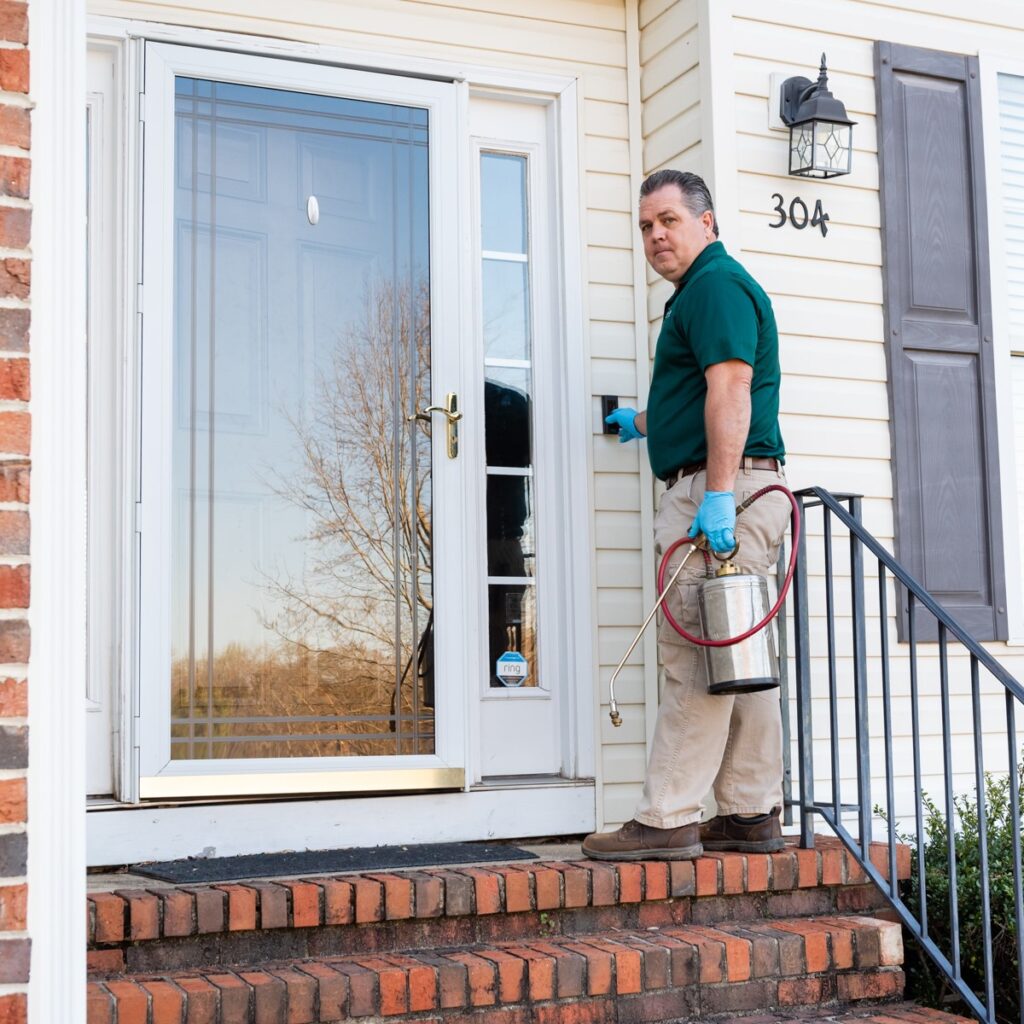
Inspect and Seal the Home Exterior
One of the most effective ways to reduce pest invasions is to block the paths they use to enter homes. Beginning fall with a thorough exterior inspection helps disrupt this migration phase.
Use the following steps:
- Inspect and repair damaged siding, screens, roof vents, and fascia.
- Seal gaps around plumbing, wiring, and utility lines where pests can squeeze through.
- Apply door sweeps and weather stripping to service doors and garage entrances.
- Examine window frames for cracks, loose caulking, or missing screens.
- Check foundations, especially around patios and decks, for soil-to-wood contact and tunneling signs.
Because pest behaviour responds to environmental change, sealing entry points now helps reduce the chances of infestations during winter. For a deeper explanation of seasonal pest shifts and home readiness, check out this overview of how to choose the right pest control plan.
Maintain Moisture Control and Landscape Management
Moisture and vegetation near the foundation attract pests and create ideal conditions for many common invaders. Fall provides a good window to correct these issues before winter.
Key actions include:
- Clean gutters and downspouts so water is diverted away from the home.
- Ensure landscaping slopes away from the foundation to prevent pooling.
- Remove leaf piles, mulch, or debris that remain next to exterior walls.
- Store firewood and lumber at least several feet from siding and raised off the ground.
- Repair exterior leaky hoses, irrigation systems, and sprinkler heads.
These practices reduce the shelter and food sources that pests rely on as the weather cools. Local pest pressure remains high in this county because of its mild summers and relatively warm winters, making moisture control critical for effective fall pest-prevention.
Target Seasonal Entry Hazards for Common Pests
Fall invites specific pest types into homes. Recognizing which pests thrive locally helps in tailoring preventive efforts for the season.
Prevailing pests in the area include:
- Ants: including pavement ants and odorous house ants that seek indoor food and water sources.
- Spiders: including cellar spiders, which enter homes via crawl spaces and basements.
- Rodents: such as rats and mice, that shift into structures for warmth.
- Termites: Subterranean termites remain active even in cooler months if conditions remain moist.
- Mosquitoes and ticks: may linger near yards and wooded edges through early fall.
Because pest species respond differently to seasonal changes, adopting a general barrier is useful but not always sufficient. A professional pest-prevention plan that adapts to local biology ensures better outcomes over time.
Clean Inside and Monitor for Early Signs
Healthy pest-prevention is not only exterior work; it also involves interior care and early detection. Fall gives a final opportunity to clear out attractants before many pests become inactive or hidden.
Indoor practices to follow:
- Store all food items in sealed containers and clean up crumbs or spills promptly.
- Inspect attics, basements, and crawl spaces for insulation gaps, rodent droppings, or insect casings.
- Vacuum and dust baseboards, window frames, and storage piles to remove eggs or dust that pests use.
- Set up detection by placing sticky traps along wall edges and accessible voids.
- Mark dates of findings and retain photos or samples to share with a professional should infestation develop.
Monitoring and interior hygiene amplify the effectiveness of exterior exclusion and moisture control. Early identification of pest activity allows for corrective action before the problem escalates.
Implement or Review a Long-Term Pest Plan
Fall is an ideal time to review and update a year-round pest-prevention program. Because pests persist throughout the seasons, a professional plan that uses ongoing monitoring, habitat correction, and exclusion helps maintain a pest-free home long term.
Long-term plan features should include:
- Scheduled inspections before each season change to catch emerging issues.
- Written reports of entry points, pest findings, and habitat vulnerabilities.
- Exterior treatments applied around the home perimeter with proven residuals.
- Exclusion and repair work for structural weaknesses identified in prior visits.
- Communication protocols between homeowners and technicians to report pest sightings or conditions.
This structured approach draws from integrated pest-management (IPM) practices and positions pest control not just as event-based reaction but as preventive care. For more on how IPM works in practice, refer to this resource on managed pest strategies.
Take Action for Fall Protection
Seasonal shifts in Greenville County make homes more vulnerable to pest entry. Acting now to seal gaps, manage moisture, clean interiors, and establish a professional pest-prevention program ensures your home stays protected as the weather cools. For expert inspection and customized treatment, reach out to our team at Greenville Pest Control for peace of mind before the winter season deepens.
