

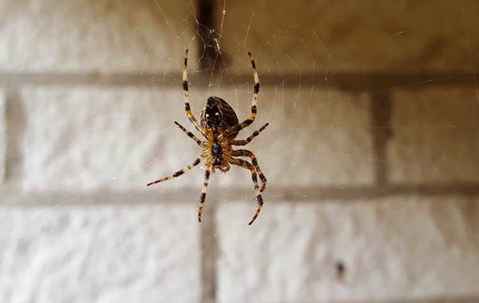
Spiders are a natural part of the Upstate South Carolina environment, yet their presence inside homes often raises concern. While many species remain unnoticed outdoors, indoor encounters tend to increase when environmental conditions shift. The spider threat in Upstate SC is not always obvious, as activity often remains hidden in storage areas, wall voids, and low-traffic spaces. Understanding how spiders behave locally helps explain why infestations develop quietly and why surface-level responses rarely resolve the issue.
From older homes with crawl spaces to newer builds surrounded by wooded areas, spiders adapt easily to residential structures. Professionals focus on identifying patterns of movement, shelter, and food availability to address spider activity at its source rather than reacting to occasional sightings.
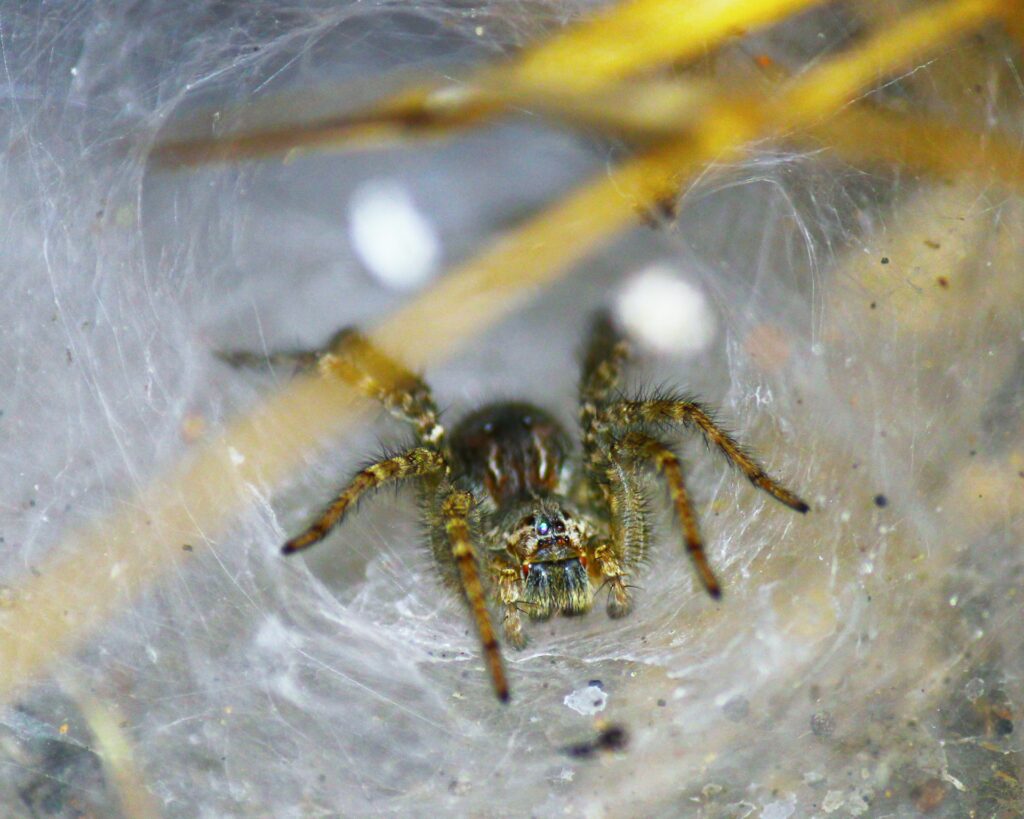
Why Spider Activity Often Goes Unnoticed Indoors
Spiders are not drawn to homes randomly. Indoor environments provide stable temperatures, protection from predators, and access to prey. In Upstate SC, seasonal changes play a major role in driving spiders inside, particularly during cooler or wetter periods.
Several factors allow spiders to remain undetected:
- Preference for dark, undisturbed spaces such as attics, basements, and closets
- Nocturnal behavior that limits daytime visibility
- Web placement in corners, behind stored items, or near exterior entry points
- Low initial population numbers that expand gradually over time
Because spiders rely on insects for food, their presence often signals other pest activity. In our previous blog post on DIY pest solution failures, the connection between untreated insect populations and recurring spider issues is clearly outlined. Without addressing the broader environment, spider activity continues to return.
Common Spider Types Found in Upstate SC Homes
Upstate SC is home to a variety of spider species, many of which coexist closely with residential areas. While not all spiders pose a danger, misidentification can lead to unnecessary worry or delayed response when risks are present.
Frequently encountered spiders include:
- House spiders that build webs along ceilings, corners, and garages
- Wolf spiders that wander the floors and enter through ground-level openings
- Cellar spiders are commonly found in basements and crawl spaces.
- Venomous species that prefer quiet, cluttered environments
Correct identification matters because behavior, hiding patterns, and risk levels vary by species. In our article on spider identification basics, professionals explain how subtle physical traits help determine whether a spider poses a legitimate concern.
Structural Areas That Increase Spider Risk
The spider threat often develops around specific structural features rather than throughout an entire home. Professionals evaluate how spiders enter, where they settle, and which areas support long-term activity.
High-risk areas commonly include:
- Crawl spaces with moisture and limited airflow
- Garages where insects gather near lighting
- Attics that provide warmth and nesting opportunities
- Exterior wall gaps around doors, windows, and utility lines
These zones allow spiders to establish themselves with minimal disturbance. Over time, webs accumulate, and populations stabilize, especially when insect prey remains available. Homes near wooded lots or water sources experience increased pressure, as spiders migrate inward from surrounding environments.
Health and Safety Considerations Related to Spiders
While many spiders are harmless, their presence indoors still presents concerns, particularly in households with children or pets. Venomous species, though less common, can pose health risks if contact occurs. Even non-venomous spiders contribute to discomfort and anxiety for residents.
Key concerns associated with indoor spider activity include:
- Potential bites in stored clothing, bedding, or shoes
- Allergic reactions triggered by spider debris or webs
- Increased stress due to repeated sightings
- Secondary pest issues tied to insect populations
Spiders are rarely aggressive, but accidental contact happens most often in spaces that remain undisturbed. Professionals assess these risk areas carefully, especially in homes where storage habits or layout create favorable hiding conditions.
How Professionals Manage Spider Threats Effectively
Professional handling of spider issues involves far more than removing visible webs. Experts focus on understanding why spiders are present, how they entered, and what allows them to remain active indoors.
Professional strategies typically include:
- Detailed inspections to locate entry points and nesting zones
- Identification of spider species and related risk factors
- Assessment of insect activity that supports spider populations
- Targeted treatment and exclusion planning based on structure and environment
This comprehensive approach reduces recurring activity and minimizes unnecessary exposure. Professionals also account for seasonal patterns in Upstate SC, adjusting strategies as spider behavior shifts throughout the year.
Long-term management relies on reducing favorable conditions rather than relying on repeated surface treatments. By addressing access points, moisture issues, and prey availability, professionals help stabilize the indoor environment and limit future spider activity.
A Clear Path Toward Peace Of Mind
If spiders continue to appear or concerns about hidden activity remain, professional insight can provide clarity and lasting solutions. Contact Greenville Pest Control to schedule an evaluation and take informed steps toward reducing spider threats throughout your home.
