


Rodents are among the most misunderstood household pests. Mice and rats are highly adaptive, cautious, and capable of surviving in environments that appear clean and well-maintained. Myths surrounding rodent behavior often cause homeowners to delay action or rely on ineffective solutions that fail to address the full scope of an infestation. Understanding what fact versus fiction is essential for achieving effective rodent control and preventing long-term issues.
Rodent infestations rarely develop overnight. They build quietly as rodents locate shelter, nesting areas, and consistent food access. By the time signs become obvious, activity is often well established. Separating common myths from proven strategies helps clarify what truly works for elimination.
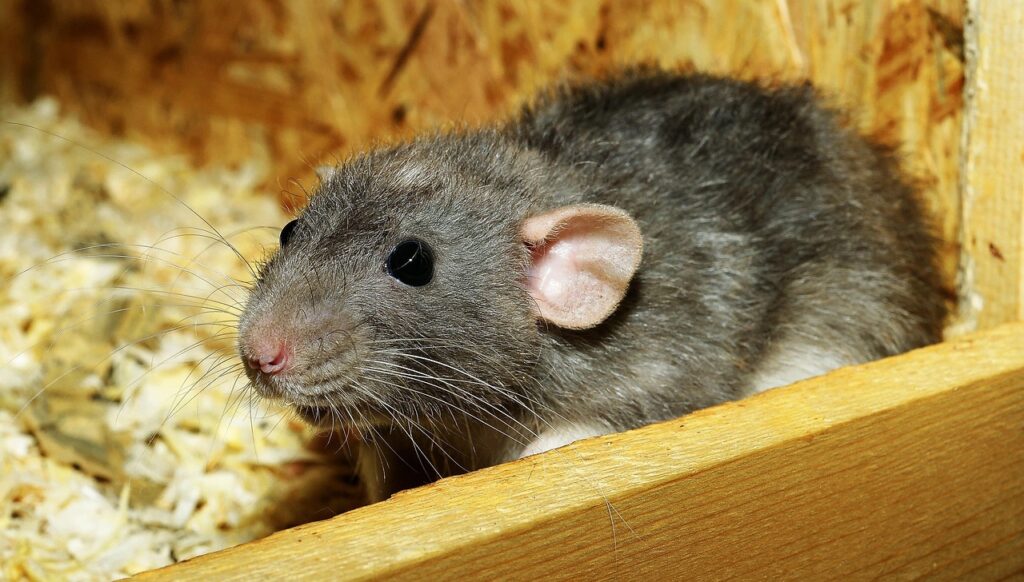
Myth One: Seeing One Rodent Means There Is Only One
One of the most widespread misconceptions is that spotting a single mouse or rat means the problem is minor. In reality, rodents are social animals that establish nests close to food and shelter sources. A single sighting typically represents only a small portion of a much larger population.
Rodents are primarily nocturnal and avoid human activity. They travel through wall voids, attics, crawl spaces, and utility lines, remaining hidden for most of their lifecycle. When one rodent is seen during the day, it often indicates overcrowding or increased competition within nesting areas.
- Rodents reproduce rapidly under favorable conditions
- Nesting sites are usually concealed behind walls or insulation
- Daytime sightings often indicate population pressure
- Droppings, noises, and odors typically appear before visual encounters
Effective rodent control begins with the assumption that visible activity is only part of the issue. Professionals investigate beyond what can be seen to locate nesting zones and movement patterns.
Myth Two: Clean Homes Do Not Get Rodents
Another common belief is that rodents only infest dirty or cluttered homes. While sanitation influences food availability, cleanliness alone does not prevent infestations. Rodents are primarily driven by shelter, warmth, and access points rather than surface-level cleanliness.
Even well-maintained homes can provide attractive nesting opportunities through small structural gaps, attic insulation, and wall cavities. Mice can squeeze through openings as small as a coin, while rats exploit gaps around foundations, vents, and utility lines.
Rodents are highly adaptable and can survive on minimal resources. Once inside, they may nest in rarely accessed areas, avoiding kitchens or living spaces entirely. This is why rodent control strategies focus heavily on structural assessment and exclusion rather than relying solely on sanitation practices.
Myth Three: Traps Alone Solve Rodent Problems
Traps are often viewed as a complete solution for rodent infestations, but they address only a fraction of the problem. While traps can remove individual rodents, they do not resolve how rodents entered the home or where others may be nesting.
- Traps target visible rodents rather than hidden populations
- Entry points remain open without proper inspection
- Rodents quickly adapt and avoid danger zones
- New rodents can replace removed ones if access continues
Without identifying entry routes, nesting sites, and environmental contributors, trapping alone often results in repeated activity. Effective rodent control requires a broader strategy that addresses the full infestation cycle.
What Truly Works For Effective Rodent Control
Successful elimination relies on understanding rodent behavior and addressing the conditions that support their presence. Professionals approach rodent control systematically, focusing on prevention, monitoring, and targeted intervention.
Key elements of effective rodent control include:
- Thorough inspection of entry points, nesting areas, and travel paths
- Identification of environmental factors that support rodent survival
- Monitoring activity to track changes and population trends
- Implementing exclusion strategies that reduce reentry opportunities
This comprehensive process mirrors concepts outlined in home pest monitoring, where consistent observation and early detection limit escalation. Instead of reacting to sightings, professionals focus on controlling the environment that allows rodents to thrive.
Why Timing and Prevention Matter
Rodent behavior changes throughout the year, with seasonal transitions playing a major role in infestation risk. Cooler weather often drives rodents indoors as they search for warmth and stable shelter. Homes that are not prepared for these shifts become prime targets.
Preventive action is most effective when taken before rodent pressure increases. Identifying vulnerabilities early allows professionals to reinforce protective measures and reduce indoor activity during high-risk periods.
Rodent prevention strategies often align with guidance similar to holiday rodent proofing, where sealing gaps and monitoring activity ahead of seasonal changes improves outcomes. Timing matters because once rodents establish nesting sites indoors, elimination becomes more complex.
Rodent control is most successful when it anticipates behavior rather than reacting after damage occurs. Ongoing assessment ensures that small issues are addressed before they develop into widespread infestations.
Replacing Myths With Proven Solutions
Rodent myths often create a false sense of security that allows infestations to grow unnoticed. Understanding what truly works helps homeowners take informed action and avoid repeated problems. For expert evaluation and dependable rodent control strategies, contact Greenville Pest Control to protect your home with professional insight and lasting results.
