

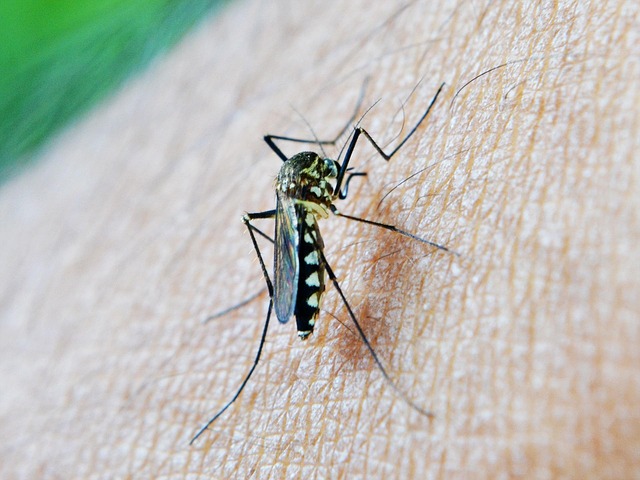
Mosquitoes are more than a seasonal nuisance. They disrupt outdoor living, affect comfort, and can quickly turn patios and yards into avoided spaces. Many homeowners want effective mosquito control while also limiting environmental impact and unnecessary exposure. That balance has led to increased interest in eco-friendly mosquito barrier alternatives.
From a professional perspective, eco-friendly does not mean ineffective. It means strategic. Effective mosquito management relies on understanding breeding behavior, moisture patterns, and resting zones, then applying targeted solutions that reduce populations without overuse of harsh materials.
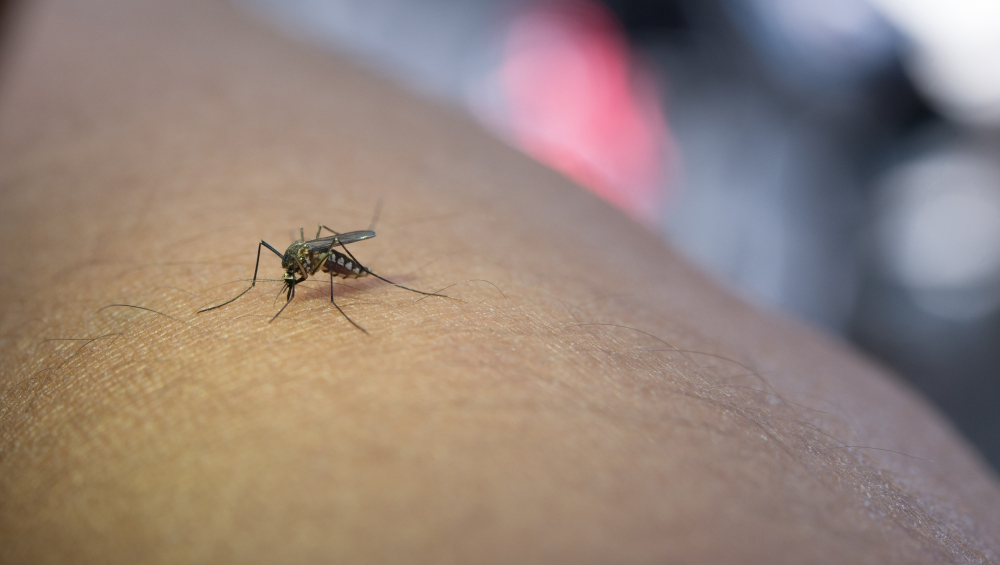
Why Mosquito Activity Persists Around Homes
Mosquitoes are remarkably adaptive. Even in neighborhoods that appear clean and well-maintained, small environmental details can create ideal conditions for breeding and resting. That is why mosquito activity often feels persistent, even after homeowners remove obvious standing water.
Common hidden contributors include:
- Clogged gutters that trap rainwater
- Decorative pots with drainage trays
- Birdbaths that are not refreshed frequently
- Low spots in lawns that collect runoff
- Corrugated drain extensions that hold moisture
Once eggs hatch, larvae develop quickly in warm conditions. Spring and summer temperatures accelerate this cycle, allowing multiple generations to emerge within a single season. If water sources are consistently available, mosquito populations can expand rapidly.
Shaded vegetation also plays a major role in persistence. Adult mosquitoes avoid direct sunlight and heat. During the day, they rest in dense shrubs, under decks, beneath patio furniture, and in tall grass. Landscapes with heavy foliage provide cool, humid shelter that supports survival between feeding cycles.
Humidity further increases mosquito longevity. Homes near wooded areas, water features, or properties with frequent irrigation often experience elevated moisture levels. Even routine watering schedules can maintain the damp microclimates mosquitoes prefer.
Mosquito activity persists not because treatment fails, but because environmental conditions continually support reproduction. Effective mosquito control addresses breeding sources, resting zones, and seasonal cycles together. By identifying the specific factors sustaining activity around a property, long-term reduction becomes far more achievable.
What Makes A Mosquito Barrier Eco-Friendly
Eco-friendly mosquito barrier options are designed to minimize environmental impact while still targeting mosquitoes where they live and travel. These methods focus on precision and timing rather than saturation.
Characteristics of eco-friendly barriers often include:
- Targeted application to foliage and resting zones
- Reduced use of synthetic materials
- Lower impact on beneficial insects
- Strategic scheduling based on mosquito activity
Instead of blanket spraying entire yards, professional approaches apply treatments only where mosquitoes are most likely to settle. This reduces unnecessary exposure and supports balanced outdoor ecosystems.
Eco-friendly barriers are most effective when paired with environmental adjustments. Addressing moisture sources and improving airflow enhances results and reduces the need for repeated intervention.
Moisture Management As A Core Strategy
Moisture is the foundation of mosquito breeding. Eco-friendly mosquito control places heavy emphasis on reducing moisture accumulation rather than masking the symptoms of infestation.
Common moisture-related contributors include:
- Clogged or slow-draining pipes
- Poor yard drainage after rainfall
- Overwatered landscaping
- Organic debris that holds water
Managing these conditions significantly lowers mosquito reproduction. In many cases, addressing drainage issues provides long-term relief with minimal intervention.
Understanding drain cleaning benefits is an important part of mosquito prevention. Drains and low-lying areas often become overlooked breeding zones, especially during warmer months.
Professional assessments identify hidden moisture pockets that homeowners may not notice. Correcting these areas supports sustainable mosquito control and improves overall property health.
How Monitoring Improves Long-Term Results
Eco-friendly mosquito barriers are not a one-time fix. Mosquito populations fluctuate with weather patterns, rainfall, and seasonal changes. Ongoing monitoring ensures that control measures remain effective without excessive treatment.
A structured monitoring approach typically involves:
- Tracking activity levels throughout the season
- Identifying new breeding zones after storms
- Adjusting treatment areas as landscaping grows
- Evaluating results before reapplication
Monitoring allows treatments to be applied only when needed. This reduces material use and prevents unnecessary disruption to outdoor spaces.
A thoughtful plan, such as those outlined in pest monitoring plans, supports proactive mosquito management. Rather than reacting to swarms, monitoring helps prevent population surges before they begin.
This approach aligns with eco-friendly principles by emphasizing prevention and precision.
Why Professional Application Matters For Eco-Friendly Barriers
Eco-friendly mosquito control still requires expertise. Misapplied treatments, even environmentally conscious ones, can miss key zones or provide uneven coverage.
Professional application ensures:
- Accurate identification of mosquito species
- Correct placement of barrier treatments
- Safe application around people and pets
- Integration with moisture and habitat control
Mosquitoes handled through professional services are addressed as part of a larger environmental system. Other pests such as ants, spiders, roaches, rodents, and termites may also be evaluated when conditions overlap, but mosquito control remains the focus.
Eco-friendly solutions are most effective when applied by trained professionals who understand mosquito behavior and seasonal movement. This prevents overuse while maintaining consistent protection.
Attempting to manage mosquitoes without proper assessment often leads to repeated frustration. Precision, timing, and experience are what make eco-friendly barriers successful.
Reclaim Your Outdoor Space The Smarter Way
If mosquitoes are limiting how you enjoy your yard, it may be time for a more thoughtful solution. Contact Greenville Pest Control to explore eco-friendly mosquito barrier alternatives designed for lasting comfort and responsible mosquito control.
