

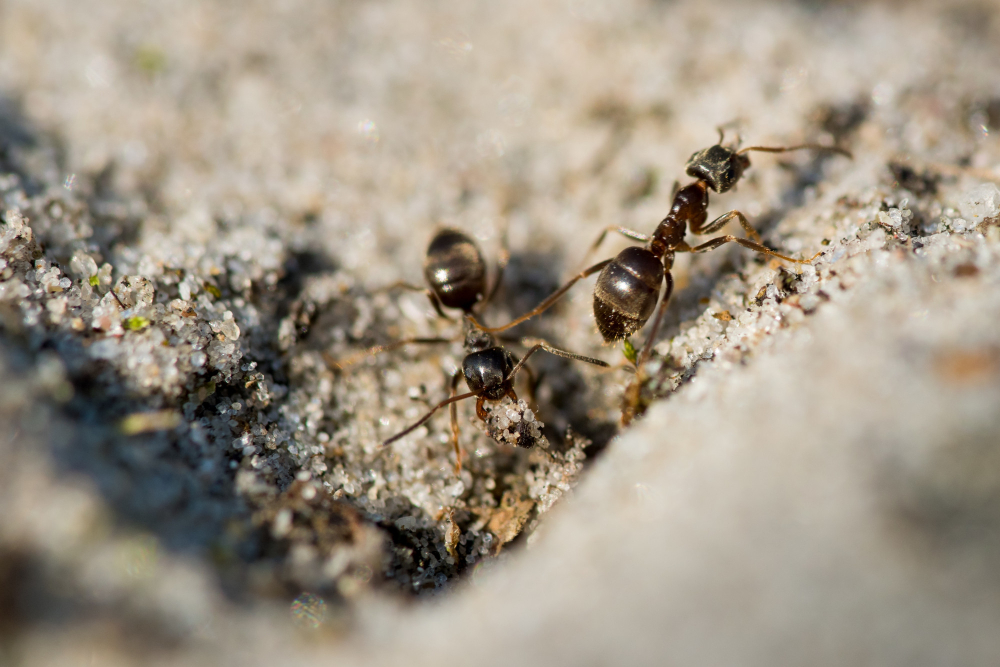
Spring in the Southeast brings warmer temperatures, frequent rainfall, and rising humidity. While these seasonal changes signal new growth and outdoor activity, they also increase pest pressure around homes. Moisture is one of the most important factors influencing ant infestation patterns. When water accumulates around foundations, inside walls, or beneath landscaping, ants respond quickly.
Understanding how moisture contributes to ant activity allows homeowners to take strategic steps before visible trails appear. Managing environmental conditions is often the difference between isolated sightings and recurring indoor infestations.

Why Moisture Attracts Ants in Spring
Ants depend on water for survival. During dry periods, they may forage widely to locate hydration sources. In spring, however, rainfall and irrigation create consistent moisture zones that support colony expansion.
Moisture influences ant infestation risks by:
- softening soil and making excavation easier
- increasing humidity in crawl spaces
- creating condensation around plumbing
- supporting growth of other insects that ants feed on
When soil becomes saturated, ant colonies may relocate to higher ground. Foundations, slab edges, and wall voids provide ideal shelter. Small cracks or gaps become entry points, especially when indoor areas offer food and additional water.
Moisture management is not only about preventing ants. It also reduces the risk of other common pests such as cockroaches, spiders, termites, mosquitoes, and rodents. Because these species often thrive in similar conditions, controlling humidity supports overall pest prevention.
Common Moisture Hotspots Around the Home
Many homeowners focus on kitchens when dealing with ants. However, moisture-driven ant infestation hotspots often develop in less obvious locations.
Areas that commonly harbor excess moisture include:
- crawl spaces with inadequate ventilation
- clogged gutters and downspouts
- poorly graded soil near foundations
- leaking outdoor faucets and irrigation lines
Mulch beds placed directly against siding can also trap moisture and create concealed pathways for ants to travel indoors. Interior plumbing leaks under sinks or behind appliances provide steady hydration sources that sustain foraging activity.
In addition to moisture management, consistent monitoring is essential. Establishing a routine inspection plan helps identify small problems before they become larger infestations. For guidance on maintaining proactive oversight, homeowners can explore insights on home pest monitoring.
A structured approach ensures that moisture-related vulnerabilities are addressed systematically.
Fire Ants and Moisture Patterns
Spring rainfall can significantly influence fire ant behavior. These ants build mounds in soil, and heavy rain may force colonies to relocate. As soil conditions shift, fire ants often expand their territory or establish new mounds in nearby yards.
Fire ants require specific management strategies that differ from treatments used for other species. Factors to consider include:
- mound placement relative to foot traffic
- soil moisture that affects bait performance
- timing of treatment during peak activity
- coordination with yard maintenance practices
Because fire ant colonies respond differently to environmental changes, treatment methods must be carefully selected. Homeowners interested in understanding the distinction between fire ants and other species can review information about fire ant treatment differences.
Managing soil moisture and drainage reduces mound formation near structures. However, comprehensive control often requires professional assessment to determine colony size and appropriate treatment timing.
Structural Adjustments That Reduce Risk
Addressing moisture sources often involves structural improvements. Even minor adjustments can significantly lower the likelihood of ant infestation hotspots.
Effective preventive measures may include:
- extending downspouts away from foundations
- installing vapor barriers in crawl spaces
- sealing foundation cracks and expansion joints
- ensuring proper ventilation in attic and subfloor areas
Landscaping modifications can also make a difference. Keeping shrubs trimmed away from siding reduces shaded moisture pockets. Removing decaying wood and maintaining proper clearance between soil and exterior walls limits access routes.
Professional inspections evaluate these structural conditions in conjunction with pest behavior. Rather than focusing solely on eliminating visible ants, experts assess why colonies are attracted to certain areas in the first place.
Because ant species vary in nesting habits, accurate identification is critical. Some ants nest primarily outdoors and forage indoors, while others establish colonies inside wall voids. Treatment plans must reflect these differences.
Integrated Pest Management for Long-Term Protection
Moisture control is one component of a broader pest management strategy. Spring conditions also increase activity from termites, cockroaches, spiders, rodents, and mosquitoes. Integrated programs address overlapping risks rather than isolating a single pest.
Comprehensive management typically involves:
- evaluating exterior grading and drainage
- identifying structural entry points
- monitoring pest trends throughout the season
- adjusting treatments based on environmental changes
Professional services combine inspection, targeted application, and ongoing monitoring. This layered approach reduces reliance on reactive treatments and supports consistent prevention.
Because spring weather patterns are unpredictable, maintaining flexibility in pest management plans is important. Homes that address moisture early are less likely to experience severe infestations during peak season.
Ant infestation hotspots often develop gradually. By the time trails become visible in kitchens or bathrooms, colonies may have been expanding for weeks. Preventive strategies grounded in moisture management reduce these risks significantly.
Stay Ahead of Spring Ant Pressure
If spring moisture is increasing the risk of ant infestation around your property, contact Greenville Pest Control for a professional inspection and a prevention plan designed to protect your home year-round.
