

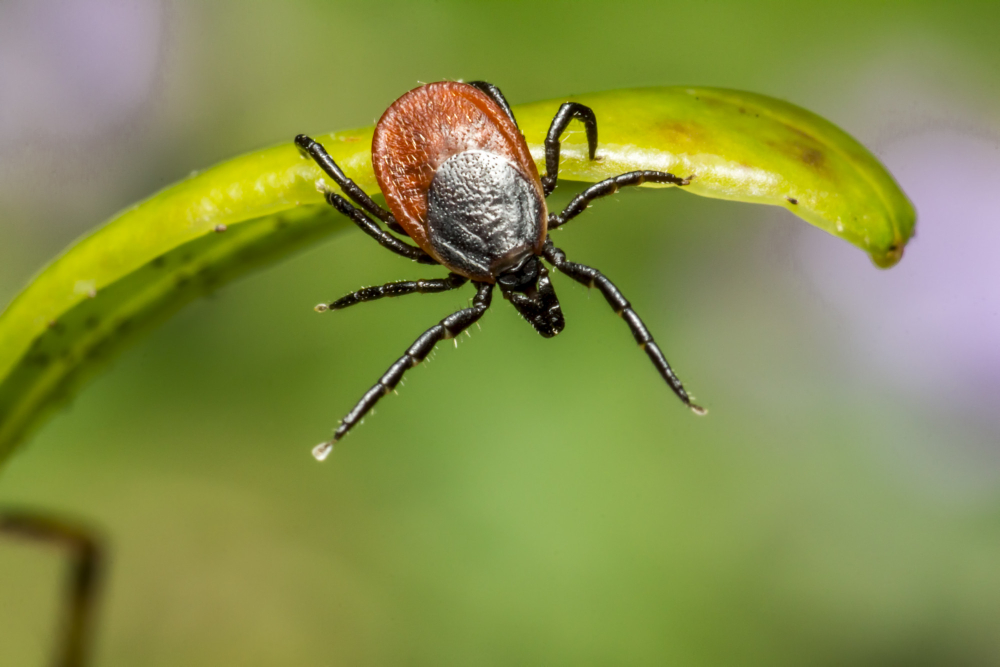
Greenville’s climate creates a unique challenge when it comes to outdoor pest control. Warm temperatures combined with high humidity provide ideal conditions for ticks to thrive. These pests are not just seasonal nuisances. They remain active for extended periods, especially in environments where moisture and vegetation are consistent.
Tick prevention in this region requires more than occasional yard maintenance. It involves understanding how ticks interact with their surroundings and how humidity supports their survival. Without a structured approach, tick populations can increase quickly and spread across outdoor spaces.
A well-planned strategy focuses on reducing favorable conditions while targeting areas where ticks are most likely to develop. This balance is what makes long-term tick prevention more effective in humid environments like Greenville.

Why Greenville’s Humidity Supports Tick Activity
Ticks are highly sensitive to environmental conditions, and humidity plays a direct role in how long they can survive and remain active. In Greenville, consistent moisture in the air and soil creates an environment where ticks are less likely to dry out, allowing them to stay active across longer periods and in more areas of the property.
Unlike pests that rely on short bursts of favorable weather, ticks depend on stable humidity to maintain their lifecycle. This makes Greenville’s climate especially supportive of ongoing tick presence rather than isolated seasonal activity.
- Moisture retention in soil. Damp ground conditions help ticks avoid dehydration and allow them to remain active even during warmer parts of the day. This also supports egg survival and development.
- Dense vegetation. Grass, shrubs, and shaded landscaping create a protective layer that traps moisture, giving ticks a stable environment to hide, wait for hosts, and reproduce.
- Extended activity periods. High humidity reduces environmental stress, allowing ticks to remain active for longer stretches throughout the year instead of being limited to short seasonal windows.
- Increased host movement. Pets, wildlife, and even foot traffic can carry ticks through humid areas where they are more likely to survive and transfer between locations.
These conditions create a continuous cycle of survival and movement. Without targeted tick prevention, populations can build gradually and spread across outdoor spaces with little interruption.
Key Outdoor Areas Where Ticks Thrive
Tick prevention begins with identifying where activity is most likely to occur. In humid environments, certain areas naturally provide the conditions ticks need.
- Tall grass and overgrowth. These areas offer shade and moisture retention.
- Leaf litter and debris. Organic material creates ideal hiding and breeding spaces.
- Fence lines and property edges. Ticks often migrate from surrounding vegetation.
- Shaded zones. Areas with limited sunlight maintain higher humidity levels.
Recognizing these zones allows for more targeted prevention efforts rather than relying on broad, less effective measures.
Effective Tick Prevention Strategies For Humid Conditions
Managing ticks in Greenville requires a combination of environmental control and targeted treatment. The goal is to reduce both habitat suitability and active populations.
- Regular lawn maintenance. Keeping grass trimmed reduces shelter for ticks.
- Clearing debris. Removing leaves and organic buildup limits breeding areas.
- Managing moisture. Improving drainage helps reduce damp conditions.
- Creating buffer zones. Separating wooded areas from open spaces reduces tick movement.
These strategies help lower tick activity, but they are most effective when applied consistently and adjusted based on changing conditions.
How Seasonal Patterns Influence Tick Prevention
Tick behavior is closely tied to seasonal changes, but in humid regions, activity does not always follow predictable patterns. Warmer temperatures can extend activity into periods where ticks are less expected.
Understanding these seasonal shifts is important for maintaining effective control. For example, certain pest patterns become more noticeable during spring, as explained in this overview of spring pest activity.
By aligning prevention efforts with these patterns, it becomes easier to anticipate changes in tick activity and respond proactively.
Why Consistent Monitoring Improves Long-Term Results
Tick prevention is not a one-time process. It requires ongoing monitoring to ensure that conditions remain unfavorable for pest activity. Even well-maintained properties can experience changes that allow ticks to return.
Regular evaluation helps identify early signs of activity and allows for timely adjustments. This approach is supported by structured planning, such as the methods outlined in this guide on year-round pest monitoring.
By maintaining a consistent strategy, it becomes possible to reduce recurring issues and create a more controlled outdoor environment.
Why Professional Tick Control Makes A Difference
While basic maintenance can reduce some tick activity, humid environments often require a more comprehensive approach. Ticks are resilient and can adapt to changing conditions, making them difficult to control without targeted methods.
Professional pest control focuses on identifying high-risk areas, applying treatments where they are most effective, and maintaining control over time. This includes addressing both current activity and conditions that support future infestations.
In Greenville, where humidity plays a constant role, this level of precision is essential for achieving reliable results. Without it, tick populations can continue to develop despite routine efforts.
Take A More Reliable Approach To Tick Prevention
Tick prevention in humid climates requires consistency, awareness, and a strategy that adapts to changing conditions. Small adjustments can make a difference, but long-term success depends on a more structured approach.For a more effective solution tailored to Greenville’s conditions, contact Greenville Pest Control and take the next step toward a safer outdoor environment.
