

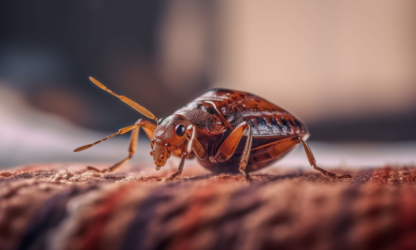
Bed bugs are among the most difficult pests to eliminate due to their ability to hide in small spaces and reproduce quickly. Once an infestation begins, it can spread through furniture, walls, and personal belongings without immediate detection. One of the most widely used methods for addressing this issue is heat-based bed bug treatment.
From an expert perspective, heat treatment is not simply about raising the temperature in a room. It is a controlled process designed to reach lethal temperatures for bed bugs at every stage of their lifecycle. Understanding how this method works and how effective it is helps set clear expectations for homeowners dealing with an infestation.
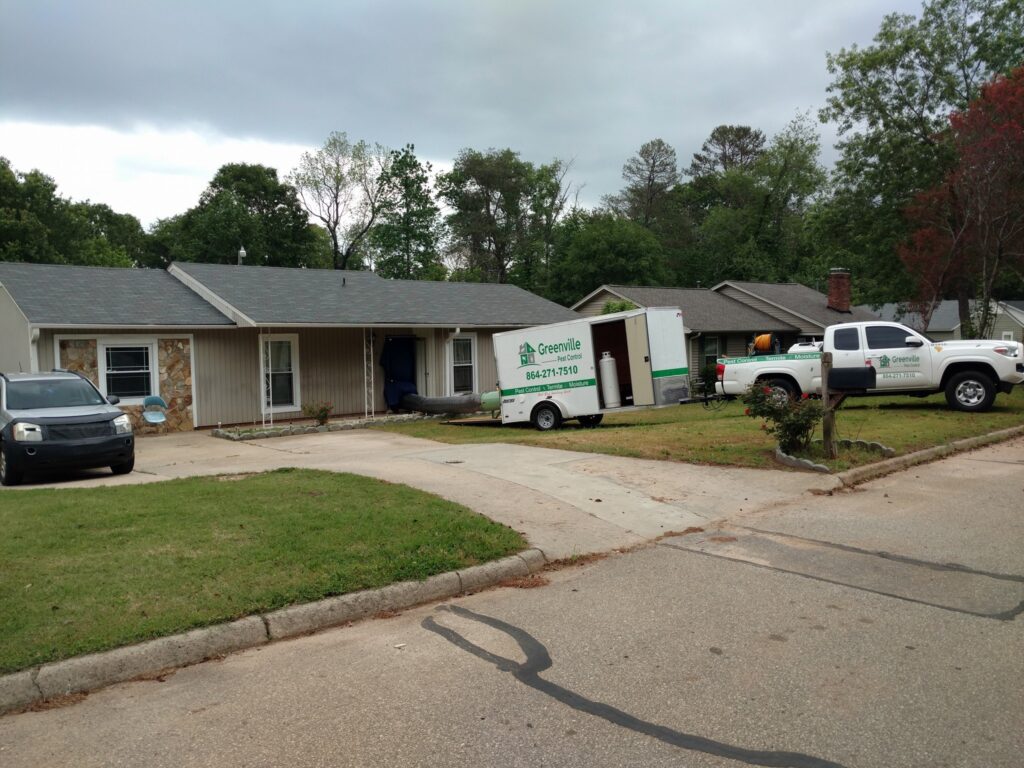
How Heat Treatments Eliminate Bed Bugs
Heat treatment works by raising the temperature of an infested area to a level that bed bugs cannot survive. Unlike surface treatments, heat penetrates into cracks, fabrics, and hidden spaces where bed bugs are likely to reside.
- Lethal temperature range. Bed bugs are eliminated when exposed to sustained high heat
- Full-space coverage. Heat circulates through furniture, walls, and flooring
- Lifecycle disruption. Eggs, nymphs, and adults are all affected
- Deep penetration. Reaches areas that are difficult to treat with other methods
- Consistent exposure. Maintains temperature long enough to ensure effectiveness
This process is carefully monitored to ensure that all areas reach the necessary temperature. Even slight variations can impact results, which is why precision is essential.
Why Bed Bugs Are Difficult to Eliminate Without Heat
Bed bugs have several characteristics that make them resistant to basic treatment methods. These traits allow them to survive and continue spreading if not addressed thoroughly.
- Small size. Easily hide in seams, cracks, and crevices
- Nocturnal behavior. Active mainly at night, making detection difficult
- Rapid reproduction. Populations can grow quickly under favorable conditions
- Egg resilience. Eggs are often unaffected by surface treatments
- Movement patterns. Bed bugs spread through belongings and travel
These factors make it challenging to eliminate infestations using limited or incomplete approaches. Heat-based bed bug treatment addresses these challenges by targeting the entire environment rather than isolated areas.
What to Expect During a Professional Heat Treatment
Heat treatment is a structured process that requires preparation, execution, and follow-up to ensure effectiveness. Each step is designed to maximize results while maintaining safety.
- Pre-treatment preparation. Items are organized to allow heat to circulate freely
- Equipment setup. Specialized heaters and monitoring devices are installed
- Temperature monitoring. Sensors ensure consistent heat levels throughout the space
- Treatment duration. Heat is maintained for several hours to reach all areas
- Post-treatment review. The space is evaluated to confirm results
This process requires careful coordination and expertise. Proper preparation and monitoring are critical to ensuring that no areas are missed.
After treatment, certain steps help maintain results. In our recent article on post-treatment steps, the actions homeowners should take are explained in more detail.
How Effective Heat Treatments Are for Bed Bugs
Heat treatment is considered one of the most effective methods for eliminating bed bugs when applied correctly. Its ability to reach hidden areas and affect all life stages makes it a comprehensive solution.
- Immediate impact. Bed bugs are affected as soon as lethal temperatures are reached
- Full lifecycle coverage. Eggs and adults are eliminated together
- Reduced chemical use. Heat does not rely on extensive chemical application
- Faster results. Treatment is completed in a shorter timeframe
- Lower recurrence risk. Thorough coverage reduces the chance of survival
However, effectiveness depends on proper execution. Incomplete heating or uneven distribution can allow some bed bugs to survive, leading to continued activity.
Prevention also plays a role in long-term success. In our blog post on travel inspection tips, the importance of early detection is discussed further.
Why Professional Bed Bug Treatment Delivers Better Results
Heat treatment requires specialized equipment, precise temperature control, and a clear understanding of bed bug behavior. Professional pest control services are equipped to manage these factors effectively.
Experts begin with a detailed assessment of the infestation. This includes identifying affected areas and determining how heat should be applied to achieve full coverage. Based on this evaluation, a customized treatment plan is developed.
During the process, professionals monitor temperature levels continuously to ensure consistency. This level of control is essential for reaching hidden spaces where bed bugs may be present. Without it, treatment may not be fully effective.
Another advantage is follow-up support. Monitoring after treatment ensures that any remaining activity is addressed quickly, preventing reinfestation. This ongoing attention is critical for maintaining results.
Without professional involvement, heat-based bed bug treatment may not reach its full potential. Precision and expertise are key to ensuring that the infestation is eliminated completely.
Where Heat Meets Complete Control
Heat treatment offers a powerful solution for bed bugs, but its success depends on proper execution and thorough coverage. A structured approach ensures that every stage of the infestation is addressed.For reliable bed bug treatment and expert pest control, contact Greenville Pest Control and take the next step toward a cleaner, more comfortable home.
