


Ants, cockroaches, spiders, rodents, mosquitoes, fleas, ticks, stinging insects, termites, bed bugs, and birds can reach properties through structural gaps, open doors, damaged screens, utility penetrations, or everyday movement.
Effective pest control begins by identifying where activity is coming from and why a particular entry point is being used. Closing access is important, but it works best when paired with inspection, treatment, moisture management, sanitation, and follow-up based on the pest involved.
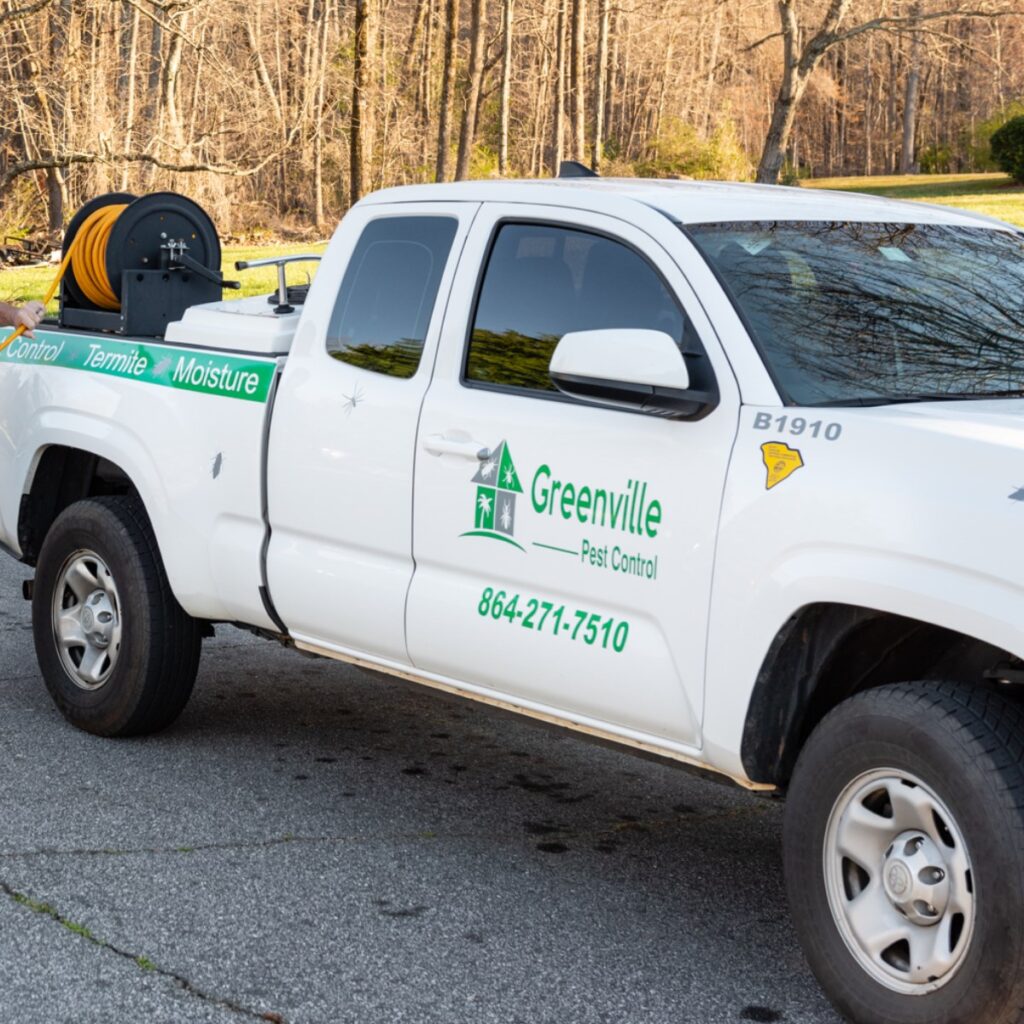
Doors, Windows, And Garage Openings Deserve Close Attention
Exterior doors and windows are among the most frequently used parts of any building, which also makes them common access areas for pests. Worn seals, damaged screens, gaps beneath doors, and openings around frames can create direct routes indoors.
Areas worth checking include:
- Door sweeps that no longer sit flush with the threshold
- Weather stripping that is cracked, loose, or missing
- Window screens with tears or poorly fitted edges
- Garage doors with visible gaps along the sides or bottom
- Frequently opened loading or service doors at businesses
- Frames where settling has created small structural openings
Cockroaches, for example, are strongly influenced by access to shelter, water, and food, which is why understanding common roach attractants can help explain why certain openings receive repeated activity.
Utility Lines And Plumbing Create Hidden Pathways
Pipes, electrical conduits, cable lines, drains, vents, and other building systems often pass through walls, floors, or foundations. Small gaps around these penetrations may be difficult to notice during routine cleaning but can connect exterior pest activity with protected interior spaces.
Cockroaches and ants may travel around plumbing where moisture is available. Rodents can exploit larger utility gaps, while spiders may establish themselves where other insects are entering. In commercial buildings, mechanical rooms and service areas can contain multiple penetrations that deserve regular inspection.
Moisture makes these locations even more attractive. Leaks, condensation, drain problems, or damp crawl-space conditions can provide water while wall voids and utility chases provide shelter.
Professional inspection is valuable because technicians can follow pest evidence beyond the room where it first appears and determine whether a plumbing or utility route is contributing to the problem.
Foundations, Rooflines, And Exterior Gaps Can Be Easy To Miss
The building envelope contains many transition points where pests can enter without being noticed. Cracks may develop around foundations, siding, roof edges, vents, soffits, or places where different construction materials meet.
Common exterior vulnerabilities include:
- Foundation cracks near landscaping or damp soil
- Gaps around vents, siding, and exterior trim
- Openings along roof edges and soffit areas
- Unsealed spaces around utility connections
- Crawl-space access points with damaged covers
- Structural gaps behind exterior fixtures or signage
Rodents and birds may use larger openings around rooflines and exterior structures, while insects require far less space. Termites can also use concealed pathways associated with soil, foundations, and moisture, making visible openings only part of the inspection picture.
Multiple entry points can operate at the same time, especially on older buildings or high-traffic commercial properties.
Outdoor Conditions Often Lead Pests Toward Entry Points
An opening becomes more important when surrounding conditions consistently guide pests toward it. Dense vegetation, standing water, trash areas, pet activity, exterior lighting, damp mulch, and stored materials can all increase pest pressure close to a structure.
This is why long-term prevention should account for moisture, sanitation, shelter, access points, and seasonal movement together rather than treating each indoor sighting as an isolated event.
Homes may experience similar problems around garages, patios, crawl spaces, porches, and landscaping. Commercial properties can face added pressure from deliveries, waste areas, storage zones, and frequent door activity.
Reducing attractive conditions around the exterior makes exclusion more effective because fewer pests are repeatedly testing the structure for a way inside.
Effective Exclusion Works Best With Inspection And Follow-Up
Sealing gaps is an important part of pest prevention, but exclusion alone cannot confirm whether pests are already established indoors. Existing cockroaches, rodents, bed bugs, termites, fleas, ticks, or other pests may require targeted treatment and monitoring after entry points are addressed.
A complete pest control plan may include:
- Identifying the pest before deciding which openings matter most
- Inspecting interior and exterior areas for active movement
- Sealing confirmed gaps that contribute to recurring entry
- Correcting moisture, sanitation, and shelter conditions
- Applying targeted treatment where pest activity is established
- Following up to confirm that activity has declined
Different pests require different responses. A rodent opening may need physical exclusion, while cockroach activity may require attention to plumbing, moisture, and hidden harborages. Termite concerns require inspection of soil and structural areas, while mosquitoes, fleas, ticks, and stinging insects may involve outdoor conditions.
Professional assessment helps connect these factors instead of treating every crack as equally important. The goal is to locate the routes pests actually use, reduce the conditions encouraging them, and confirm that the strategy continues working over time.
Close The Door On Recurring Pest Activity
If pests keep finding their way into your home or business, contact Greenville Pest Control for professional inspection, targeted pest control, exclusion guidance, and long-term prevention tailored to your property.
