

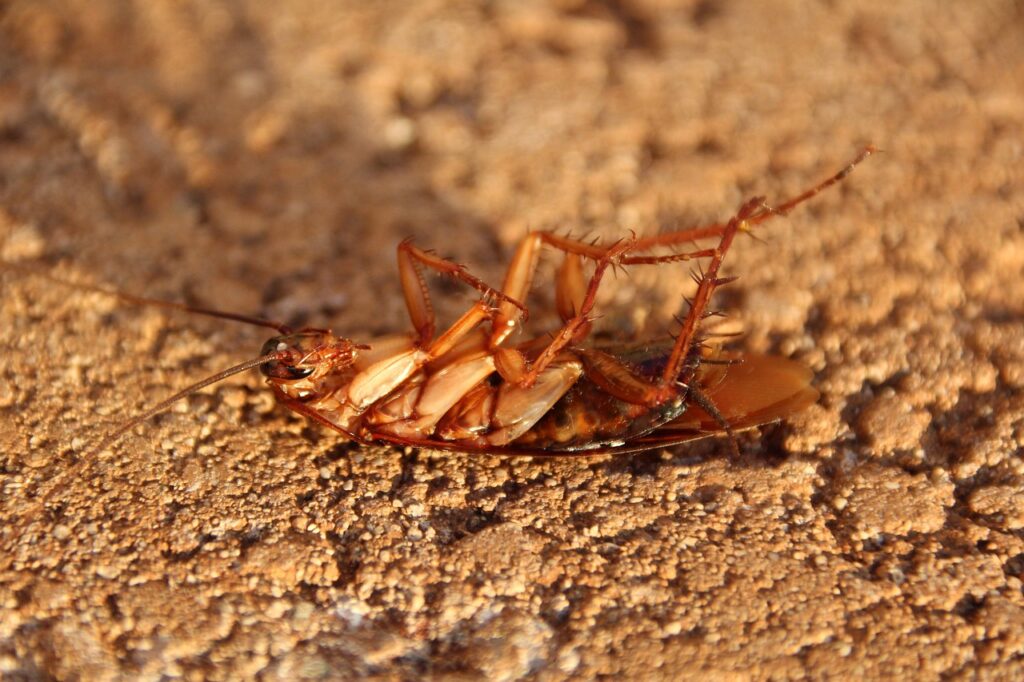
Cockroaches are persistent pests because they can survive in hidden spaces, reproduce quickly, and take advantage of small amounts of food and moisture. In Greenville homes, kitchens, bathrooms, basements, attics, garages, and utility areas can all provide conditions that support recurring activity. Seeing one roach may only be the visible part of a larger problem. Their ability to hide behind appliances, inside cabinets, and near plumbing makes early activity easy to underestimate, especially when sightings happen mostly at night.
Our team approaches cockroach control by identifying the species, locating harborages, tracing entry points, and correcting the conditions helping roaches survive. Long-term control is more effective when inspection, targeted treatment, sanitation, exclusion, and follow-up work together. That approach helps reduce the chance that surviving insects or newly introduced roaches rebuild the infestation after the first service. It also gives our technicians a clearer baseline for deciding whether activity is shrinking, shifting to another area, or being sustained by an overlooked condition.
Find The Conditions That Keep Roaches Coming Back
Recurring cockroach problems often continue because the underlying conditions remain unchanged. Food crumbs, grease, leaking plumbing, damp basements, clutter, and gaps around doors or utility lines can all support activity. Our technicians look beyond visible roaches to understand where they are hiding and what is allowing them to persist.
Our guide to fall inspection signs explains why droppings, unusual odors, shed skins, scratching sounds, and repeat sightings can indicate a developing pest problem that deserves closer evaluation.
Important conditions to review include:
- Moisture around sinks, drains, pipes, basements, or utility areas
- Food residue behind appliances, cabinets, and pantry shelving
- Grease buildup in hard-to-reach kitchen spaces
- Clutter that creates dark, low-disturbance hiding places
- Gaps around doors, windows, plumbing, or electrical penetrations
- Repeated sightings in the same room or at similar times
Correcting these conditions supports treatment, but an established infestation may still require professional intervention to reach hidden harborages. Roaches can remain out of sight during the day, so inspection findings are often more useful than relying on daytime sightings alone.
Match Treatment To The Species And Level Of Activity
Not every cockroach infestation behaves the same way. Some species prefer warm indoor environments near food and moisture, while others are more closely associated with basements, drains, exterior foundations, or other damp areas. Species identification helps determine where technicians should inspect and which treatment methods are most appropriate.
Our team may use a combination of products, placement strategies, and follow-up depending on the infestation. Treatments can be directed toward kitchens, basements, attics, exterior foundations, and other active areas identified during inspection.
A professional cockroach-control plan may include:
- Identifying the roach species before finalizing treatment
- Inspecting indoor and exterior areas for harborages and entry points
- Applying targeted products where cockroaches are likely to travel or hide
- Treating conducive areas rather than only visible insects
- Monitoring activity after service to measure progress
- Adjusting follow-up frequency based on infestation severity
This customized approach matters because one-time surface treatment may leave eggs, concealed adults, or untreated harborages behind. Professional placement also helps keep treatment focused on the cracks, crevices, and travel zones where roaches are most likely to encounter it.
Use Follow-Up To Stop Reinfestation Before It Rebuilds
Cockroach control is usually a process rather than a single event. Even after activity drops, follow-up helps confirm whether the infestation is truly declining. Our technicians compare new sightings with earlier findings and recheck areas that previously showed droppings, harborages, entry points, or moisture problems.
Our article on professional pest control highlights why accurate identification, specialized treatment, and ongoing monitoring can provide more dependable results than short-term reactions to visible pests.
Long-term prevention may involve:
- Rechecking kitchens, bathrooms, basements, attics, and garages
- Monitoring previously active areas for new droppings or sightings
- Sealing entry points once active routes are identified
- Reviewing sanitation and storage conditions that support recurrence
- Correcting moisture problems that keep harborages favorable
- Scheduling re-service when activity returns between regular visits
Follow-up is also important because cockroaches can be reintroduced through boxes, groceries, appliances, deliveries, or items moved from an infested location. A home that was previously treated can develop new activity if fresh roaches gain access.
Professional monitoring gives our team a clearer way to distinguish between lingering infestation pressure and a new introduction. That difference affects where we inspect and how the next treatment is planned.
Recurring cockroach problems are rarely solved by focusing on the last roach that appeared. The stronger approach is to identify the species, inspect the areas supporting activity, target hidden harborages, correct moisture and food access, close entry routes, and confirm results through follow-up.
This also helps avoid unnecessary treatment in spaces that are not contributing to the problem. By concentrating on confirmed activity and conducive conditions, our team can make cockroach control more precise and support better long-term prevention.
Keep Roaches From Reclaiming Your Home
If cockroaches keep returning despite earlier treatment, contact Greenville Pest Control for professional cockroach control focused on inspection, targeted treatment, follow-up, and long-term prevention.
