

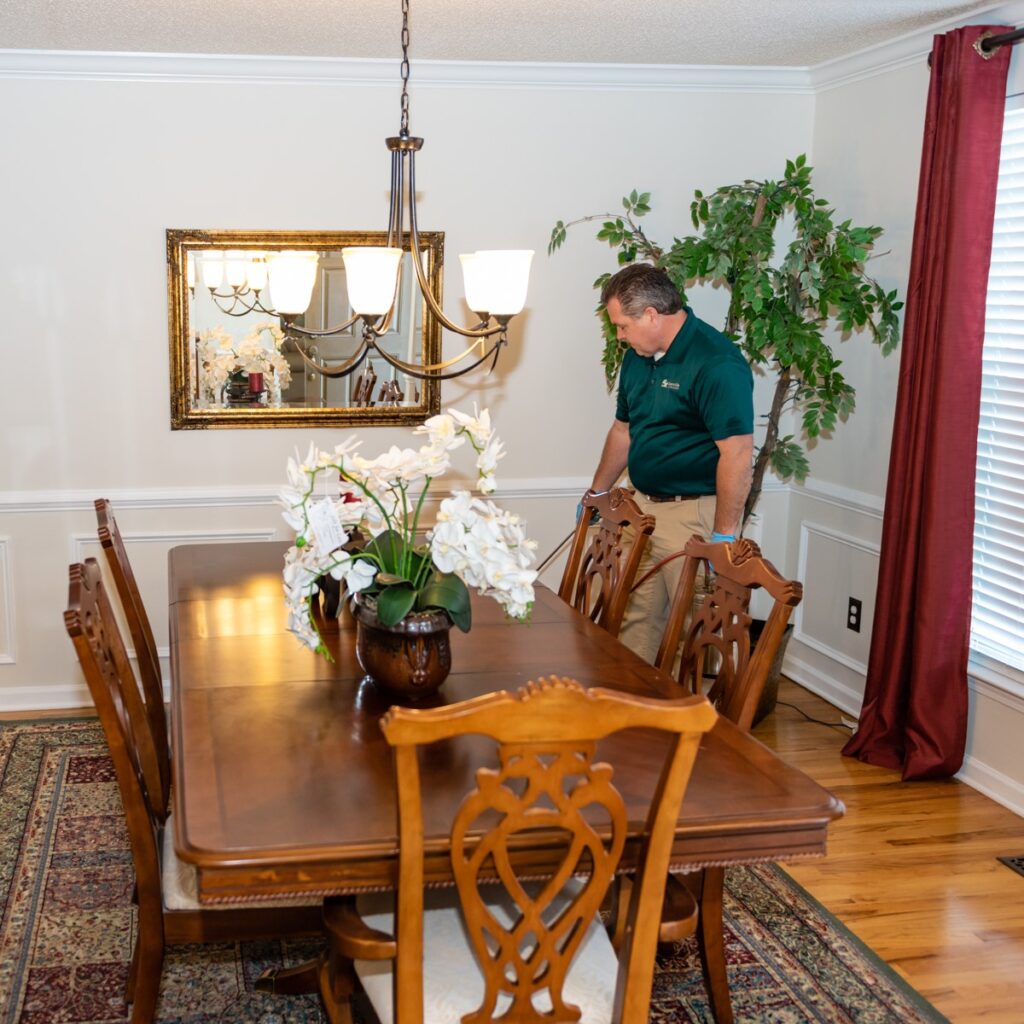
Seasonal changes influence pest activity in nearly every region, and Greenville is no exception. As temperatures shift and rainfall patterns change, insects and rodents begin searching for food, moisture, and shelter. These environmental triggers bring ants, termites, spiders, cockroaches, mosquitoes, and rodents closer to homes throughout the year.
Many pest issues begin quietly during seasonal transitions, when outdoor conditions push insects and wildlife toward residential areas. Homes that appear pest-free in one season can quickly become attractive to pests as temperatures rise or fall. Understanding how these seasonal patterns work allows homeowners to act early and reduce the chances of infestations developing.
Seasonal pest prevention focuses on anticipating these patterns rather than reacting to visible infestations. Professionals emphasize proactive inspections, environmental adjustments, and monitoring strategies that reduce pest pressure before problems escalate. When prevention begins early, homes remain more comfortable and protected during each season.
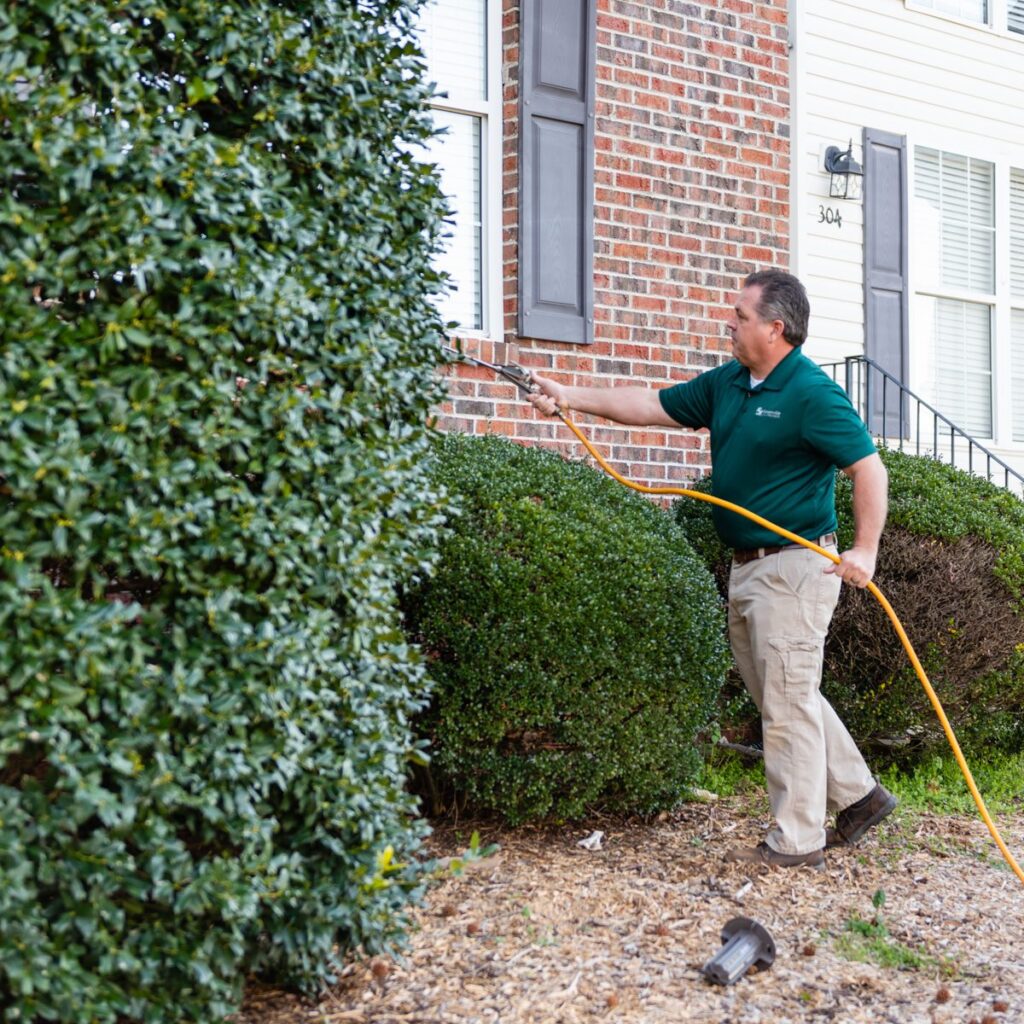
Understanding How Pest Activity Changes Throughout The Year
Different pests become active at different times of the year. Understanding these seasonal patterns helps homeowners recognize when pest pressure is likely to increase.
- Spring often brings termite swarms and expanding ant colonies
- Summer warmth increases mosquito, cockroach, and spider activity
- Fall weather encourages rodents to search for indoor shelter
- Winter drives pests toward warmer structural spaces
Because several pests can become active simultaneously, seasonal pest prevention should address multiple risks rather than focusing on a single pest type.
Professionals evaluate seasonal conditions alongside local pest behavior. This helps determine when preventive measures should be reinforced to maintain consistent protection throughout the year.
Remove Environmental Conditions That Attract Pests
Many infestations begin because the surrounding environment supports pest activity. Food, moisture, and shelter are the three primary factors that attract pests to residential areas.
Common environmental attractants include:
- Standing water near foundations or yard drainage areas
- Overgrown vegetation touching exterior walls
- Outdoor trash bins or food residue near patios
- Cluttered garages or storage spaces that provide nesting areas
Moisture control is especially important in humid climates. Damp crawl spaces, clogged gutters, and leaking irrigation systems can support insects such as ants and cockroaches.
Rodents are also drawn to areas where shelter and food are easily available. Addressing these environmental factors early is a critical part of seasonal pest prevention.
Reinforce Structural Barriers Around The Home
Structural vulnerabilities often allow pests to move indoors. Even small openings can become entry points for insects and rodents.
Preventive steps that strengthen structural protection include:
- Sealing cracks along foundations and siding
- Repairing damaged door sweeps and window seals
- Installing proper screens on attic vents and crawl spaces
- Closing gaps around plumbing and electrical penetrations
Rodents can squeeze through surprisingly small openings, while insects require only tiny cracks to enter. Identifying these vulnerabilities early reduces the chances of pests gaining access.
Professional inspections often focus on these structural areas because many infestations begin with overlooked entry points.
Monitor Early Signs Of Spider Activity
As seasonal insect populations increase, spiders often follow. Spiders rely on insects as their food source, so higher insect activity can result in more web building around homes.
Common signs that spiders may be increasing include:
- Web buildup near exterior lighting
- Webs forming around window frames or eaves
- Increased insect activity attracting predators
- Sightings in garages or storage spaces
Understanding these patterns helps homeowners detect pest activity early. Learning more about spider threats in Upstate provides additional insight into how seasonal insect populations influence spider behavior and where spiders commonly establish webs.
Monitoring these signs can help prevent small pest populations from expanding into larger infestations.
Establish A Year-Round Monitoring Strategy
Consistent observation is one of the most effective components of seasonal pest prevention. Homes that monitor pest activity throughout the year are better prepared to respond quickly when conditions change.
Monitoring practices may include:
- Inspecting storage areas for droppings or nesting materials
- Watching for insect activity near doors, windows, and lighting
- Checking foundations and crawl spaces for termite indicators
- Tracking changes in pest activity during seasonal transitions
A structured monitoring approach helps identify patterns that might otherwise go unnoticed. Establishing a home pest monitoring plan allows homeowners to document pest activity and recognize when professional assistance may be necessary.
Monitoring also helps confirm whether preventive measures are working as intended.
Keep Your Home Protected Throughout The Seasons
Seasonal pest prevention works best when it combines environmental awareness, structural protection, and consistent monitoring. While preventive steps can reduce risk, professional inspections provide deeper insight into hidden pest activity and long-term prevention strategies.If you want dependable protection from ants, termites, spiders, rodents, and other seasonal pests, professional guidance can make a meaningful difference. For expert assistance and year-round pest management solutions, contact Greenville Pest Control.
