


Pests rarely appear without warning. In most cases, activity develops gradually, often out of sight, long before visible signs emerge. A well-structured pest monitoring plan helps homeowners identify early indicators, track seasonal changes, and address conditions that allow infestations to grow. Rather than reacting to problems after they escalate, monitoring focuses on awareness, consistency, and informed decision-making.
A pest monitoring plan is not a one-time task. It is an ongoing process that adapts throughout the year. Weather patterns, moisture levels, and household activity all influence pest behavior. By monitoring these factors regularly, homeowners gain better control over risks and reduce the likelihood of unexpected infestations.
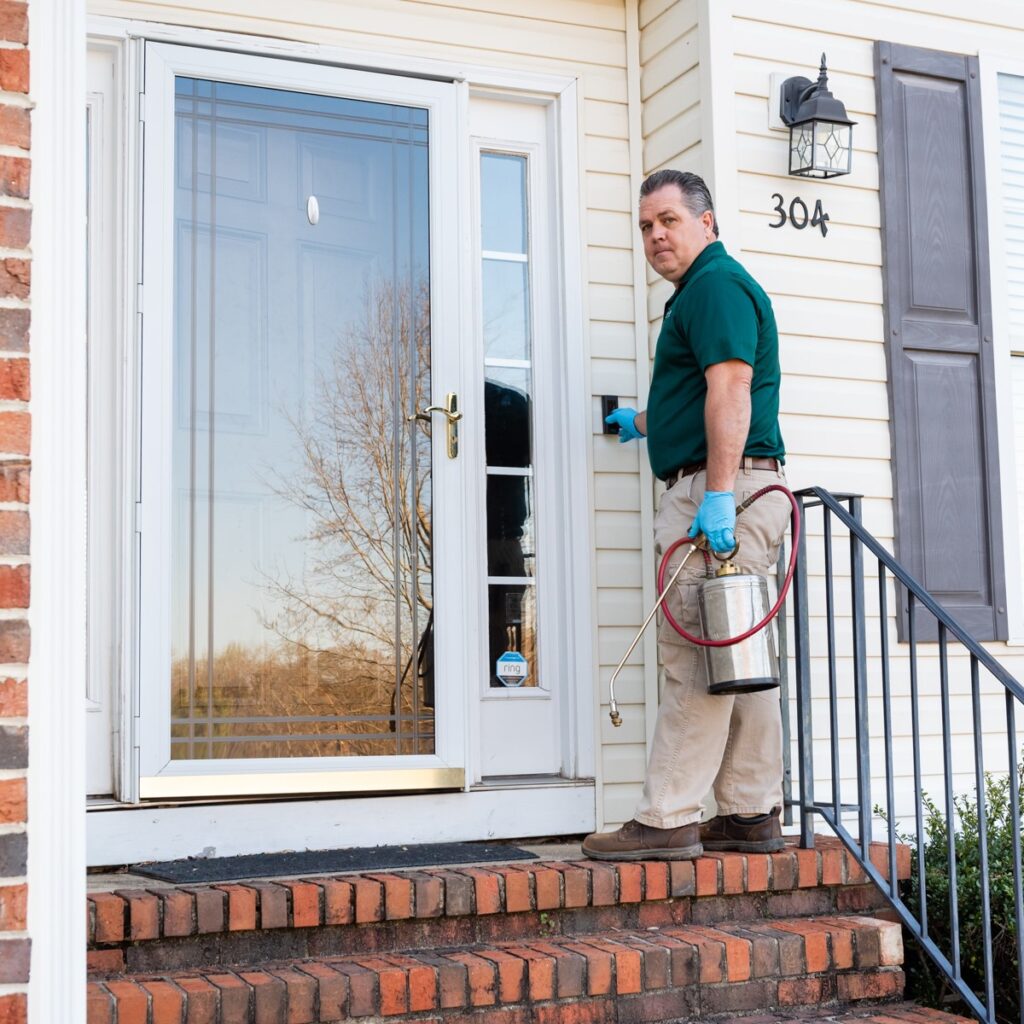
Why proactive pest monitoring matters year-round
Many pests handled in residential settings are active across multiple seasons, even if surface activity fluctuates. Monitoring helps reveal patterns that are easy to miss without structured observation.
- Early detection prevents infestations from becoming established
- Seasonal shifts highlight changing pest pressure
- Monitoring identifies entry points before damage occurs
- Consistent records support informed decisions
A pest monitoring plan creates a baseline for what is normal in and around a home. When changes occur, they are easier to recognize. This proactive approach reduces reliance on emergency treatments and allows for targeted responses when needed.
Key areas of the home to monitor regularly
A strong pest monitoring plan focuses on specific areas where pests are most likely to enter, travel, or establish shelter. These locations often provide warmth, moisture, food access, or concealment, making them high priority for regular observation.
- Entry points such as doors, windows, vents, and utility penetrations where small gaps may form over time
- Kitchens and pantries where food residue, crumbs, and packaging attract insects and rodents
- Bathrooms, laundry rooms, and plumbing access points that provide moisture and warmth
- Attics, crawl spaces, and basements where pests can nest undisturbed for long periods
Monitoring these areas consistently helps reveal subtle indicators that may otherwise go unnoticed. Early signs often include droppings, faint odors, moisture accumulation, gnaw marks, or damaged insulation. Because these areas are not always part of daily household routines, changes can develop gradually without immediate detection.
Exterior-adjacent interior spaces deserve special attention. Walls shared with garages, storage rooms, and utility closets often act as transition zones where pests move between indoor and outdoor environments. Seasonal shifts can increase activity in these spaces as pests search for stable shelter.
Tracking observations over time is just as important as identifying individual signs. Noting where activity appears repeatedly helps clarify movement patterns and potential nesting locations. This information strengthens the pest monitoring plan by turning isolated observations into actionable insights that guide timely professional evaluation.
How seasonal conditions influence monitoring priorities
Pest activity changes with the seasons, and a monitoring plan should adjust accordingly. Temperature, humidity, and rainfall all affect which pests are active and where they concentrate.
- Warmer months increase insect movement and breeding
- Cooler seasons drive pests toward indoor shelter
- Rainfall influences moisture-related activity
- Dry conditions push pests to seek water indoors
Understanding local pest behavior helps refine monitoring efforts. In regions with consistent humidity and mild seasonal shifts, pests may remain active longer than expected. Insight into regional patterns is outlined through information on local pest activity, which highlights why year-round awareness matters.
By aligning monitoring priorities with seasonal trends, homeowners reduce blind spots and improve early detection.
Common gaps that weaken pest monitoring plans
Even well-intentioned monitoring efforts can fall short if key elements are overlooked. Gaps often occur when monitoring is inconsistent or limited to visible areas only.
- Relying on sightings instead of tracking patterns
- Ignoring low-traffic areas of the home
- Assuming seasonal changes eliminate pest risks
- Delaying action until damage becomes obvious
These gaps allow pest activity to continue unnoticed. Many homeowners attempt to fill these gaps with short-term fixes, but incomplete approaches often fail to address root causes. The limitations of surface-level responses are explained further in guidance on why DIY fails, which underscores the importance of professional insight within a monitoring plan.
A strong pest monitoring plan focuses on consistency, documentation, and follow-through rather than quick solutions.
How professional support strengthens a monitoring plan
Professional involvement elevates a pest monitoring plan by adding experience, structure, and accuracy. Professionals understand pest behavior, seasonal movement, and the subtle signs that often go unnoticed.
- Identification of pest-specific indicators
- Accurate interpretation of monitoring data
- Regular assessments aligned with seasonal changes
- Recommendations based on real conditions
Professional monitoring helps translate observations into actionable strategies. Rather than guessing which signs matter, homeowners receive clear guidance on what to watch, when to act, and how to reduce risk long term.
A pest monitoring plan supported by professional oversight becomes a living system. It evolves as conditions change, ensuring protection remains effective throughout the year. This approach reduces surprises and supports a healthier, more predictable home environment.
Monitoring is not about constant intervention. It is about awareness, prevention, and informed response. When done correctly, it limits pest pressure before infestations take hold and minimizes the need for disruptive treatments.
Stay ahead of pest activity this year
We understand how a well-structured pest monitoring plan protects homes throughout the year. For professional guidance and reliable support, contact Greenville Pest Control so we can help you build a monitoring strategy that keeps your home protected season after season.
