

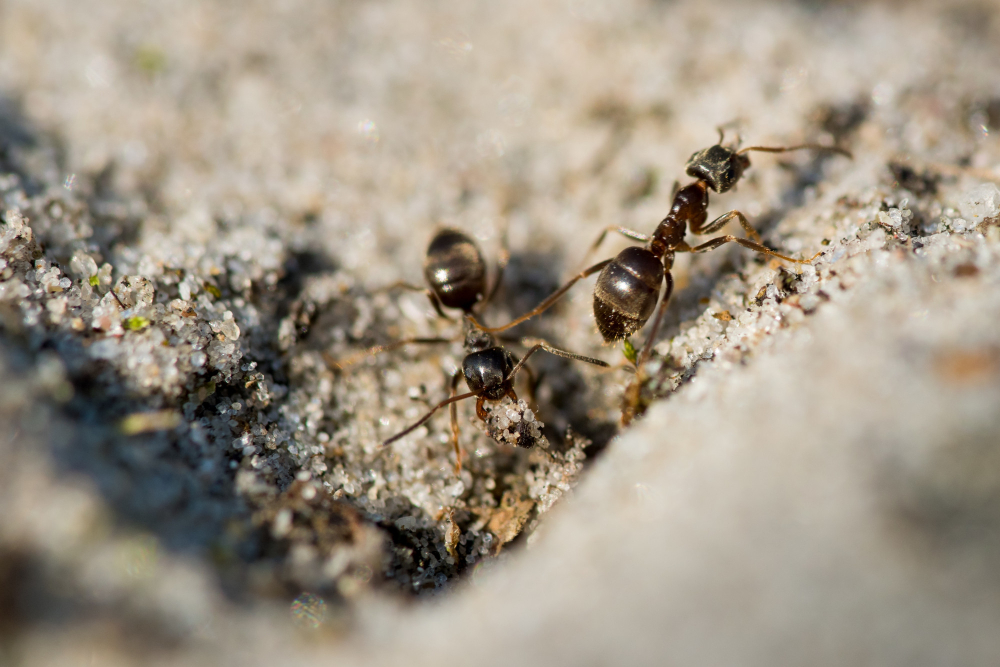
Ants are one of the most persistent pests homeowners in Greenville face. While they play a role in nature by aerating soil and breaking down organic matter, their presence inside or around your home can quickly become more than an annoyance. Certain species can damage wood, contaminate food, and even trigger allergic reactions. Conducting a do-it-yourself inspection can help you identify early warning signs, but there comes a point when a professional perimeter treatment is the most reliable option for long-term protection. Understanding when to make that call is key to preventing a minor issue from escalating into a costly infestation.
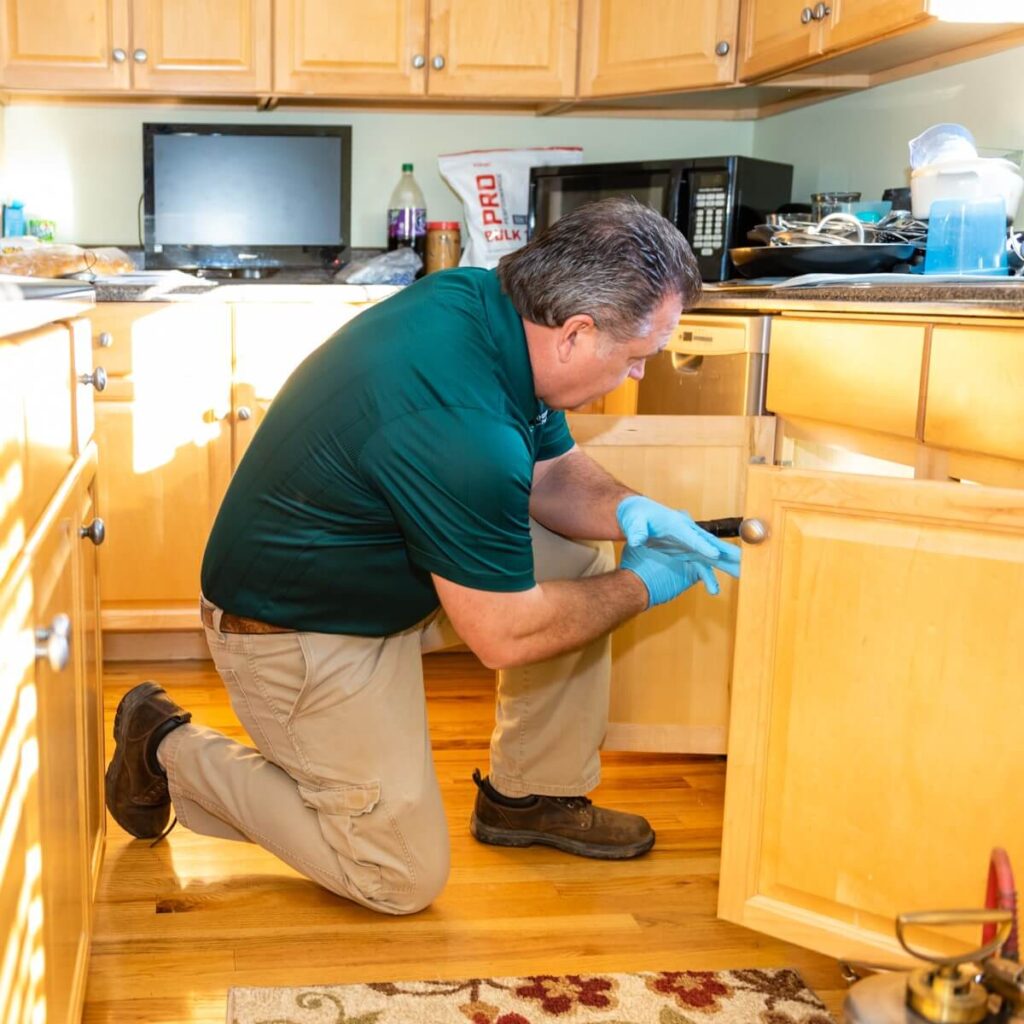
Understanding Ant Activity Around Your Property
Before you begin inspecting for ants, it’s essential to know what drives them into homes in the first place. Ants are highly social insects, working together in colonies that can number in the thousands. Foraging workers venture out daily in search of food, water, and shelter. Once a resource is located, they lay down a chemical trail that guides other ants directly to it.
These pests can be drawn to your property by a variety of factors, including:
- Food sources: Unsealed pantry items, crumbs on floors, and overflowing trash bins.
- Moisture: Leaky faucets, condensation around pipes, or clogged gutters.
- Shelter opportunities: Mulch beds, leaf piles, and cracks in the foundation that offer nesting spots.
In Greenville’s warm climate, ant activity can remain steady for much of the year. This makes year-round awareness important. Without regular monitoring, colonies can expand rapidly and spread to multiple areas of your home. For best results, prevention strategies should be part of an ongoing plan, much like the principles used in integrated pest management strategies, which target both the cause and effect of pest problems.
Key Signs of Ant Infestation
A careful DIY inspection can reveal whether ants have already made themselves at home. Keep in mind that visible activity is often just a small sign of what’s happening behind the scenes.
Watch for these common indicators:
- Steady foraging trails: Lines of ants moving to and from a food source.
- Debris piles or frass: Sawdust-like particles left by carpenter ants as they tunnel through wood.
- Visible nesting sites: Small soil mounds or disturbed earth near the foundation.
- Winged swarmers: Often spotted indoors during warm months, these are reproductive ants looking to start new colonies.
- Persistent sightings: Ants reappearing after cleaning usually mean the nest remains intact.
If you notice several of these signs at once, the infestation may already be well established and require more than a surface-level treatment.
Areas to Focus on During a DIY Inspection
A thorough inspection should cover both the inside and outside of your home. Using a flashlight and a small mirror can help you check less accessible areas.
- Foundation and siding: Look for soil trails, cracks, or gaps leading toward the structure.
- Windows and doors: Check for damaged weatherstripping or warped frames that create entry points.
- Kitchens and bathrooms: Moisture and food residue can make these rooms prime targets.
- Attics and crawl spaces: Quiet, undisturbed areas can be ideal for nesting.
- Garage and storage areas: Clutter can provide cover for ant colonies.
Documenting your findings will make it easier to address problem areas and guide any professional treatments you decide to schedule.
Why a Professional Perimeter Treatment May Be Necessary
While a DIY inspection can help you identify activity, eliminating ants entirely is often more complicated than it seems. Perimeter treatments create a protective barrier around your home, targeting both existing colonies and potential entry points. This approach goes beyond spot treatments by focusing on the bigger picture of prevention.
Here’s why calling in the pros is worth considering:
- Hidden nesting sites: Colonies can be deep underground, behind walls, or under flooring.
- Multiple species: Different ant species require different treatment approaches; what works for one may be ineffective for another.
- Structural damage risks: Carpenter ants can weaken wood over time, leading to expensive repairs.
- Ongoing protection: Professional services offer seasonal or year-round treatments that prevent re-infestation.
- Precise application: Pest control technicians use targeted products in exact amounts, reducing risks to people, pets, and plants.
Many homeowners rely on store-bought sprays or bait, believing they’ll solve the issue. Unfortunately, these quick fixes often only target the ants you see, not the colony itself. Believing these methods are enough is one of the common myths about pest control that allows infestations to persist.
Preventive Measures to Reduce Ant Problems
Even after a professional perimeter treatment, good prevention habits can keep ants from returning. These habits work best when combined into a consistent routine.
- Seal all food: Store pantry goods, snacks, and pet food in airtight containers.
- Control moisture: Repair leaks, insulate sweating pipes, and maintain proper ventilation.
- Yard upkeep: Keep vegetation trimmed back and avoid piling mulch directly against the foundation.
- Block entry points: Fill cracks in walls, repair window screens, and install door sweeps.
- Clean regularly: Vacuum crumbs, wipe counters, and promptly take out the trash.
Making your property less attractive to ants not only reduces current problems but also helps prevent new colonies from targeting your home.
Take the First Step Toward an Ant-Free Home
If your DIY inspection reveals signs of persistent ant activity, it may be time to bring in professional help for a thorough perimeter treatment. Contact Greenville Pest Control for expert inspection and tailored solutions that safeguard your home from ants year-round.
