

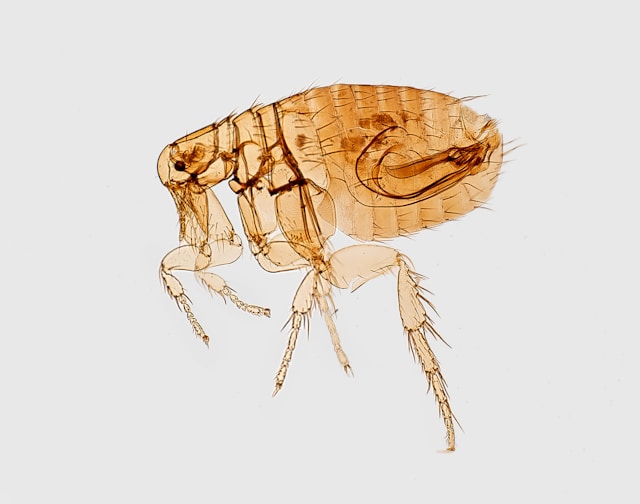
Winter often gives a false sense of relief from flea and tick concerns. While outdoor activity may slow, flea and tick pressure does not disappear. Instead, these pests adapt to colder conditions by seeking warmth, hosts, and protected indoor environments. Homes provide stable temperatures and consistent access to pets, making winter an important season for prevention rather than complacency.
Flea and tick behavior changes as temperatures fall. Instead of roaming yards and shaded outdoor areas, these pests rely more heavily on animals and indoor spaces to survive. Understanding how and why this shift occurs helps explain why winter infestations often feel unexpected and why prevention strategies should continue year-round.

Why flea and tick activity increases indoors during winter
Cold weather alters flea and tick survival strategies. Rather than remaining exposed outdoors, these pests adjust by staying close to hosts and sheltered environments.
- Fleas rely on pets for warmth and mobility when outdoor conditions decline
- Ticks seek protected areas where temperatures remain stable
- Reduced outdoor vegetation limits natural shelter options
- Indoor environments support continued life cycle development
Pets play a central role in this transition. Dogs and cats that move between outdoor and indoor spaces can unintentionally transport flea and tick activity inside. Once indoors, these pests can spread beyond pets and into carpets, bedding, and furniture. Winter conditions concentrate activity, increasing the likelihood that infestations become established before signs are noticed.
Common indoor hotspots for winter flea and tick activity
Once flea and tick activity moves indoors, it often becomes localized in areas that provide warmth, shelter, and limited disturbance. These hotspots can support ongoing development throughout the colder months.
- Pet bedding, crates, and blankets where animals rest are frequently
- Carpets and rugs near entry points or sleeping areas
- Upholstered furniture used by pets
- Baseboards and floor edges where debris collects
Eggs and larvae often fall off hosts and settle into surrounding materials, making these areas especially important to monitor. Because winter heating systems maintain consistent indoor temperatures, flea and tick life cycles can continue without interruption. Addressing these hotspots early is a key component of effective flea and tick prevention.
How seasonal conditions influence flea and tick survival
Seasonal changes shape how flea and tick populations behave, but they do not eliminate risk. In regions with moderate winters, these pests may remain active longer than expected.
- Mild winter temperatures allow continued development.
- Indoor humidity supports flea survival
- Reduced outdoor predators increase indoor persistence
- Stable indoor climates shorten dormant periods
Understanding regional pest trends helps explain why winter infestations are common. Insight into how local conditions influence pest behavior is outlined through information on regional pest activity, which highlights why flea and tick concerns often extend beyond warm months.
By recognizing how seasonal conditions support indoor survival, homeowners can better anticipate risks and take preventative steps before infestations escalate.
Why winter flea and tick problems often persist
Winter flea and tick issues frequently last longer than expected because activity becomes hidden. Reduced outdoor exposure does not mean reduced indoor pressure.
- Fleas and ticks remain protected from cold indoors
- Activity occurs below visible surfaces
- Early signs are often subtle or mistaken for isolated incidents
- Life cycles continue at a slower but steady pace
Many homeowners attempt to address winter sightings with surface-level solutions, assuming the problem is limited. However, incomplete approaches often fail to reach eggs, larvae, or hidden zones. The limitations of these methods are explained further through guidance on why DIY fails, which underscores why professional strategies are more effective for persistent flea and tick activity.
Without comprehensive prevention, infestations can rebound quickly when spring arrives, often appearing suddenly and in greater numbers.
How professional prevention reduces winter flea and tick risk
Effective flea and tick prevention requires understanding life cycles, host movement, and environmental conditions. Professional approaches focus on long-term reduction rather than temporary relief.
- Identification of hidden development areas
- Targeting multiple life stages simultaneously
- Reducing conditions that support indoor survival
- Monitoring activity trends across seasons
Professional prevention strategies address the entire environment, not just visible pests. By evaluating pet habits, indoor conditions, and seasonal patterns, professionals can recommend targeted measures that limit winter survival and reduce spring resurgence.
Winter is an ideal time for evaluation because pest activity is concentrated. Addressing flea and tick concerns during this period helps prevent widespread infestations later in the year and supports a healthier indoor environment for both people and pets.
Consistent prevention throughout winter also reduces stress on pets, minimizes exposure risks, and limits the need for more intensive treatments when temperatures rise.
Protect your home before activity spreads
We understand how flea and tick behavior changes during winter and why prevention matters even in colder months. For reliable protection and professional guidance, contact Greenville Pest Control so we can help safeguard your home and pets throughout the winter season and beyond.
