

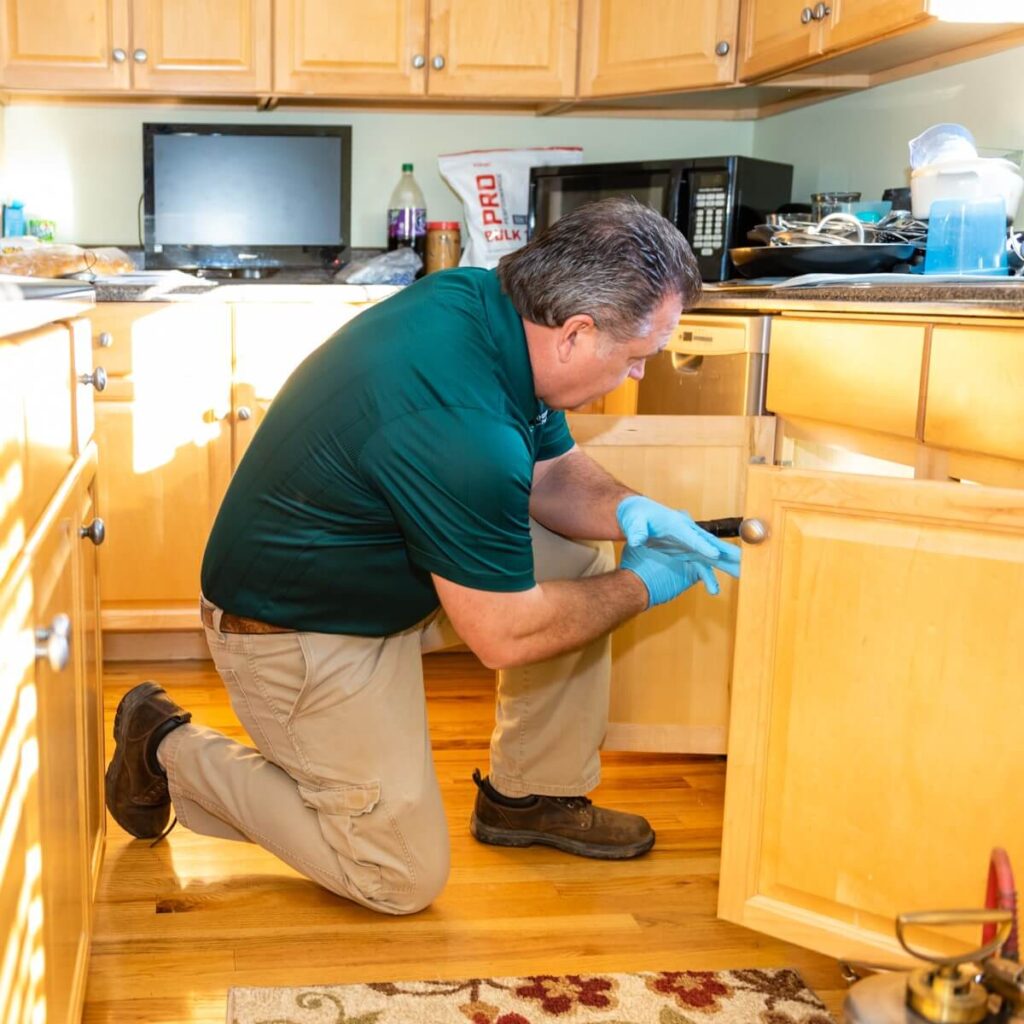
Integrated Pest Management, or IPM, is a systematic approach that blends multiple pest control strategies to deliver long-term, sustainable results. Rather than relying solely on routine chemical applications, IPM incorporates a range of techniques, including inspection, monitoring, exclusion, sanitation, and minimal pesticide use, to effectively manage infestations while reducing harm to the environment and non-target species.
IPM is especially useful for managing a wide range of pests such as ants, cockroaches, rodents, mosquitoes, spiders, and stinging insects. By focusing on understanding pest behavior, seasonal activity, and environmental conditions, IPM provides a balanced, responsive, and cost-effective solution to pest problems in both residential and commercial settings.
Core Principles That Drive IPM Success
Integrated Pest Management is built on foundational strategies that prioritize prevention and targeted treatment. These key components distinguish IPM from traditional, one-size-fits-all pest control:
- Inspection and Monitoring: Every successful IPM plan starts with a thorough inspection to identify pest types, nesting locations, and entry points. Continuous monitoring helps track infestation trends and gauge control effectiveness.
- Identification: Misidentifying pests can lead to ineffective treatment. IPM emphasizes accurate identification to match control methods with specific pest biology and behavior.
- Thresholds: Not all pest sightings require action. IPM uses action thresholds to determine when intervention is truly necessary, avoiding excessive or unnecessary treatment.
- Exclusion and Sanitation: Structural repairs, sealing entry points, and improving cleanliness reduce food, water, and shelter sources that attract pests in the first place.
- Targeted Control Measures: When chemical treatment is required, IPM applies the least-toxic option necessary and targets it precisely to minimize risk to humans and pets.
These components make IPM a holistic and adaptive method that evolves based on the severity and type of pest pressure.
Advantages of IPM Over Conventional Methods
Compared to traditional pest management approaches that often rely heavily on routine spraying, IPM strategies offer several unique benefits:
- Reduces Pesticide Use: By emphasizing prevention and targeted control, IPM minimizes the volume and frequency of chemical treatments.
- Improves Safety: Limiting chemical exposure protects household members, pets, and the surrounding ecosystem.
- Addresses Root Causes: Rather than merely eliminating visible pests, IPM corrects the conditions that caused the infestation, such as leaky pipes or food debris.
- Long-Term Effectiveness: IPM discourages pest recurrence by cutting off access points and disrupting breeding cycles.
- Cost Efficiency: While initial inspection and planning may be more detailed, long-term costs are often lower due to reduced need for repeated treatments.
This multifaceted strategy is particularly effective during times when seasonal pest activity increases. Understanding the impact of seasonal changes helps homeowners stay ahead of pest cycles before infestations get out of hand.
Why Professional Involvement Enhances Results
While the concept of IPM may sound approachable, proper execution requires detailed knowledge of pest biology, building systems, and environmental factors. Effective pest management often depends on:
- Proper equipment to inspect crawlspaces, attics, and wall voids
- Knowledge of pest life cycles, attractants, and behavioral patterns
- Safe handling and placement of pesticides and traps
- The ability to monitor trends and adjust strategies accordingly
Without professional insight, it’s easy to overlook small entry points or misinterpret pest activity. For instance, using repellents in the wrong areas can drive pests deeper into the structure. A trained expert uses IPM techniques precisely and adjusts them seasonally or as needed. This ensures treatment not only removes existing pests but also prevents future recurrence.
Additionally, IPM addresses many of the common pest control myths that lead homeowners to underestimate the importance of proper timing, follow-through, and environmental awareness.
When and Where to Apply IPM
Integrated Pest Management isn’t limited to a specific season or room—it can be applied in almost any setting where pests are likely to appear. Some of the most effective applications include:
- Kitchens and pantries: Regular inspections and sealing dry food containers help prevent ants and cockroaches.
- Attics and basements: Monitoring for rodents or spiders in these less-frequented areas is critical for early detection.
- Garages and crawlspaces: Moisture control and structural exclusion reduce mosquito and rodent attraction.
- Outdoor areas: Removing standing water and trimming foliage helps limit mosquito breeding and insect harborage.
IPM also benefits businesses, particularly in food service or healthcare environments, where regulatory compliance and health standards demand low-toxicity and high-efficiency pest control strategies.
Making IPM Part of a Long-Term Plan
For maximum effectiveness, IPM should be viewed as an ongoing process rather than a one-time fix. Continual assessment, prevention, and adjustment help maintain pest-free conditions throughout the year. Homeowners should consider building IPM into their regular home maintenance routine. This includes:
- Seasonal inspections
- Proactive repairs (like sealing cracks or fixing leaks)
- Ongoing sanitation and waste management
- Monitoring traps and pest activity reports
A professional pest management provider can help design a custom IPM plan tailored to your property, local pest pressures, and lifestyle needs.
A Smarter Way to Stay Pest-Free
Experience long-lasting protection with the most effective strategies available. Contact Greenville Pest Control today to learn how IPM can keep your home secure and your environment safe.
