

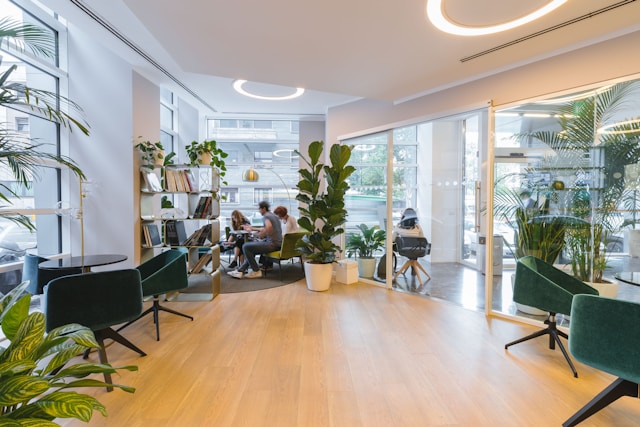
Green office spaces are designed to promote wellness, sustainability, and productivity. From indoor plants to natural lighting and improved air circulation, these environments create a more comfortable workplace. Yet beneath these benefits lies a less visible challenge. Certain design elements can unintentionally invite hidden pests into the workspace.
Modern offices often incorporate features that mimic natural environments. While this improves employee experience, it can also create conditions that pests find appealing. Understanding how these environments function is essential for maintaining a balance between sustainability and pest management.
Why Green Office Design Can Encourage Pest Activity
Sustainable office spaces introduce elements that support both people and, unintentionally, pests. Moisture, organic materials, and consistent indoor conditions all contribute to an environment where pests can thrive.
- Indoor plants provide moisture and organic matter that can attract insects such as ants and occasional invaders
- Improved insulation and sealed environments can create stable indoor temperatures that pests prefer
- Natural materials like wood and paper products may offer food sources or nesting opportunities
- Water features or humidity systems can increase moisture levels, encouraging pest presence
These factors do not automatically lead to infestations, but they do create conditions where hidden pests are more likely to establish themselves. The challenge lies in recognizing these risks early and managing them effectively.
Common Hidden Pests Found in Office Environments
Office settings can support a variety of pests, many of which remain out of sight until activity becomes noticeable. Their presence is often tied to food availability, shelter, and environmental conditions.
- Ants. Often drawn to food residues in break areas and moisture around sinks or planters
- Cockroaches. Thrive in warm, humid areas such as kitchens, storage rooms, and utility spaces
- Rodents. Seek shelter in wall voids or ceilings while accessing food sources within office spaces
- Spiders. Typically follow other insects, appearing in quiet or undisturbed areas
These hidden pests tend to remain active behind walls, under flooring, or within storage spaces. Their ability to stay concealed allows infestations to grow gradually without immediate detection.
Seasonal changes can also influence how these pests behave indoors. For example, shifting weather patterns often drive pests into controlled environments, as discussed in this resource on seasonal pest prevention.
Subtle Signs That Pests Are Already Present
One of the challenges with hidden pests is that their presence is rarely obvious in the early stages. Instead, small indicators begin to appear, often overlooked during routine office activity.
- Unexplained droppings in storage areas, cabinets, or along baseboards
- Faint scratching or movement sounds within walls or ceilings
- Small trails of ants or occasional insect sightings near food or moisture sources
- Damage to materials such as paper products, wiring, or insulation
These signs often develop gradually, making them easy to dismiss. However, they typically indicate that pests have already established a presence within the structure.
Because green office environments prioritize comfort and design, these subtle indicators may blend into the background, delaying response.
How Office Features Influence Pest Behavior
The design of a workspace plays a direct role in how pests interact with the environment. Green offices often emphasize openness, natural light, and airflow, all of which can affect pest movement.
- Large windows and open layouts can provide entry points if not properly sealed
- Indoor greenery can create microenvironments where pests find shelter and moisture
- Shared spaces such as kitchens and lounges can concentrate food sources in specific areas
- Energy-efficient systems may reduce ventilation in certain zones, allowing humidity to build up
These features are beneficial for sustainability and employee well-being, but they also require careful management to prevent unintended consequences.
Outdoor conditions can further influence indoor pest activity. For instance, areas designed for relaxation or collaboration may connect directly to exterior spaces, increasing exposure. This is especially relevant when considering approaches like eco mosquito solutions, where environmental balance plays a role in pest presence.
Why Professional Insight Matters in Modern Workspaces
Managing hidden pests in green office environments requires a deeper understanding of how design, behavior, and environmental conditions intersect. Surface-level observations often fail to reveal the full scope of an issue.
Professionals approach pest management by evaluating the entire workspace. This includes identifying potential entry points, assessing moisture levels, and understanding how daily operations influence pest activity. By looking beyond visible signs, it becomes possible to address both current concerns and underlying risk factors.
In addition, prevention strategies must align with the goals of a green office. This means considering methods that support sustainability while maintaining effective control. Balancing these priorities requires experience and a structured approach.
Hidden pests are often a reflection of environmental conditions rather than isolated incidents. Addressing them effectively involves recognizing patterns and making adjustments that reduce long-term risk.
When Sustainability Meets Silent Activity
A well-designed office can still face challenges if subtle signs are overlooked. Small indicators often point to larger issues that develop over time.
Recognizing these connections allows for more informed decisions and timely action.
Keep Your Workspace Working As Intended
When hidden pests begin to affect your office environment, a thoughtful approach can restore balance. Reach out to Greenville Pest Control for solutions that support both sustainability and effective pest management.
