

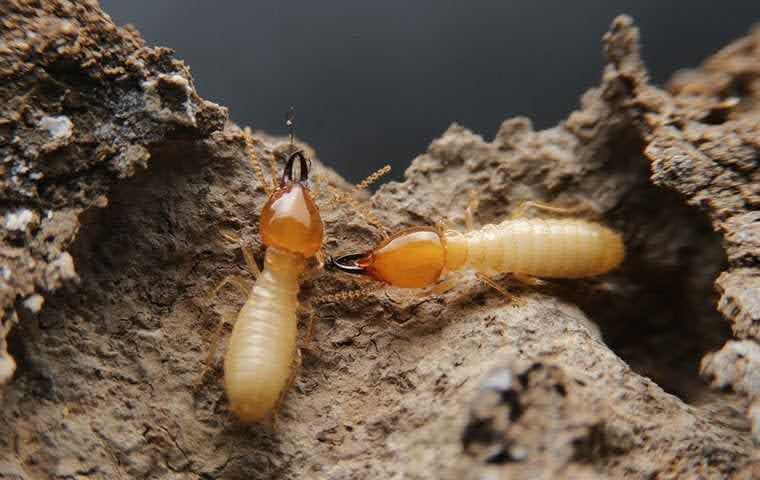
In regions with mild winters, it is common for homeowners to assume that termite threats disappear when the temperature drops. However, the reality is that termite activity often continues in hidden pockets where warmth and moisture persist. Understanding how termite behavior adapts during winter months helps property owners stay ahead of infestations before damage becomes serious.
Unlike other insects that enter dormancy, termites stay active inside soil layers, wall voids, and wooden structures where temperatures remain stable. This makes them a year-round threat capable of causing hidden damage long before any visible signs appear.
For homeowners, understanding this persistent activity is crucial. The mild winters typical of states like South Carolina allow colonies to keep feeding and expanding beneath the surface. Without ongoing monitoring, termite populations can double by spring, turning a small issue into a major repair problem.

Why Termites Don’t Fully Hibernate
Unlike many insects that become inactive in cold weather, termites often shift their habitats rather than cease activity. In mild climates, subterranean termite colonies move deeper into soil or into foundation zones where temperature remains stable. Drywood termite colonies inside wooden structures may continue feeding without interruption.
Several conditions help termites remain active during winter:
- Soil around foundations stays warm enough due to insulation and absorbs residual heat.
- Irrigation systems or leaking pipes maintain moisture that termites need to survive.
- Insulated interior walls and attics provide consistent warmth even when outdoor temperature drops.
- Homes built with wood in direct contact with soil offer ideal conditions for termite tunneling.
Because of these factors, termite control efforts cannot rely on seasonal lull. Effective protection requires inspections and preventive measures that account for hidden cold-weather activity. The local climate also influences the pests present and their behaviour patterns, as detailed in this overview of what pests usually thrive in Greenville’s climate.
Subtle Signs of Hidden Termite Activity
While active termite infestations in peak seasons may show obvious signs, winter infestations often remain concealed. Awareness of subtle indicators is essential for timely detection and early intervention.
Key signs to watch for include:
- Pillar-like mud tubes along foundation walls, crawl spaces or inside wall cavities.
- Wood that sounds hollow when tapped or crumbles easily near interior trim or floorboards.
- Blistering or cracking paint on wood surfaces that suggests moisture damage from termite tunneling.
- Discarded wings and small fragments near entry points, which may indicate swarming or termite migration.
- Fine sawdust-like droppings (frass) near wood surfaces in drywood termite-prone structures.
Because internal termite activity can go unnoticed through winter, property owners should not postpone inspections until warmer months. Verification by a professional ensures no hidden colonies continue unchecked.
Structural and Environmental Factors That Support Termites in Winter
Even when outside conditions appear unfavourable, termites exploit environmental and structural weaknesses. Mild winters in southern climates create fewer natural deterrents for termite pests. Understanding these supporting factors helps in building effective defence.
Common vulnerability points include:
- Landscaping or mulch that remains damp near foundation walls, creating accessible pathways for subterranean termites.
- Firewood or untreated timber stored against a home’s siding or foundation.
- Poorly sealed basement or crawl space areas where rising warm air draws termites upward.
- Wood-to-ground contact in porches, deck framing or utility structures that allow termite access to structural wood.
- Persistent moisture caused by leaking irrigation lines, downspouts or plumbing in winter.
Pre-construction treatments and preventative measures such as soil barriers are valuable, even for existing properties. For example, strategies for early protection of new structures detailed in this guide on proactive soil preparation for termites show how important prevention is from the beginning.
Why Professional Termite Control Matters Year-Round
Winter termite activity shows why general pest treatments or DIY approaches are often insufficient. Licensed professionals bring tools, training and targeted methods that detect and treat hidden termite passages and colonies.
Professional termite control offers several key advantages:
- Thorough inspections that evaluate soil, wood contact, foundation, crawl space and attic zones.
- Species identification which affects treatment choice between subterranean and drywood termite types.
- Barrier and bait systems that continue protecting through colder months and monitor for colony movement.
- Ongoing services and follow-up visits to ensure no reinfestation occurs after initial treatment.
- Expert recommendations on structural repairs, moisture control and wood-to-soil separation that enhance long-term protection.
Because termites are active almost year-round in mild environments, delaying treatment can lead to further damage and higher repair costs. Early professional intervention prevents expansion of hidden colonies. Choosing the right program is critical, as explained in this resource on how to choose the right pest control plan.
Ensure Your Home is Protected Now
Termite activity does not pause just because winter arrives. In mild climate zones, infestation risk remains high and detection is often delayed. For thorough inspections, professional treatment and preventive planning that account for year-round termite risk, contact Greenville Pest Control today.
