

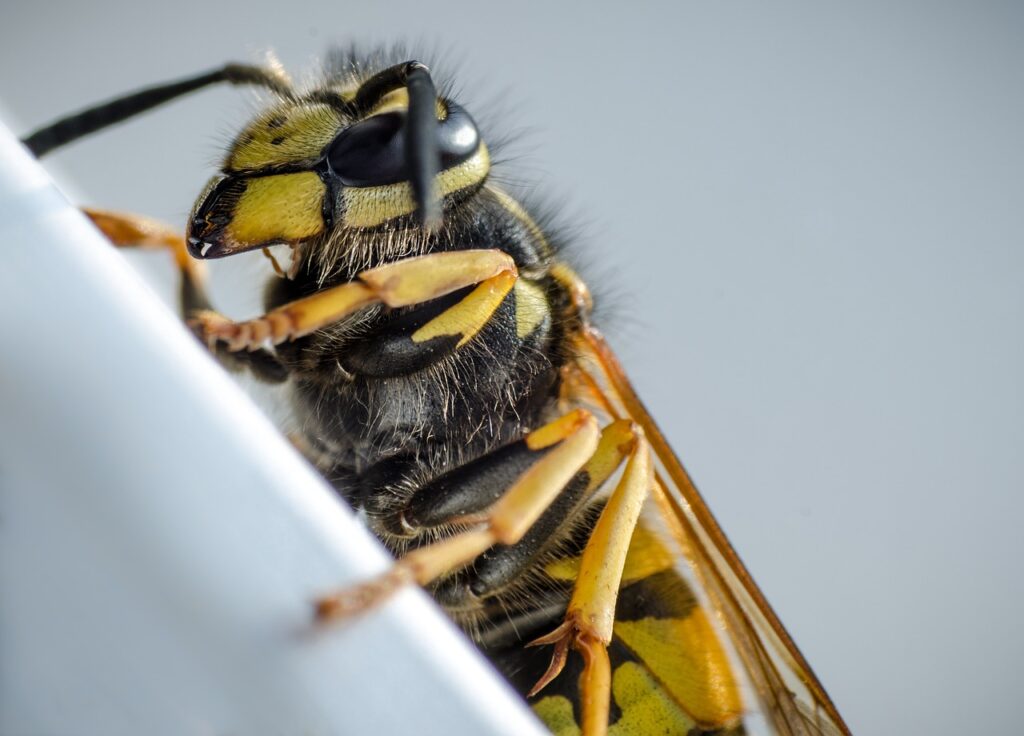
Stinging insects like wasps, hornets, and yellow jackets are more than just a nuisance. When their nests are too close to your home or outdoor spaces, they pose a real threat to safety, especially for those allergic to their venom. As temperatures warm, these insects become more active and aggressive, often building nests under eaves, in bushes, or in ground cavities. Knowing how to safely address stinging insect nests and prevent them from returning is key to maintaining a safe outdoor environment. This guide provides practical, expert-backed insights into managing and avoiding infestations.
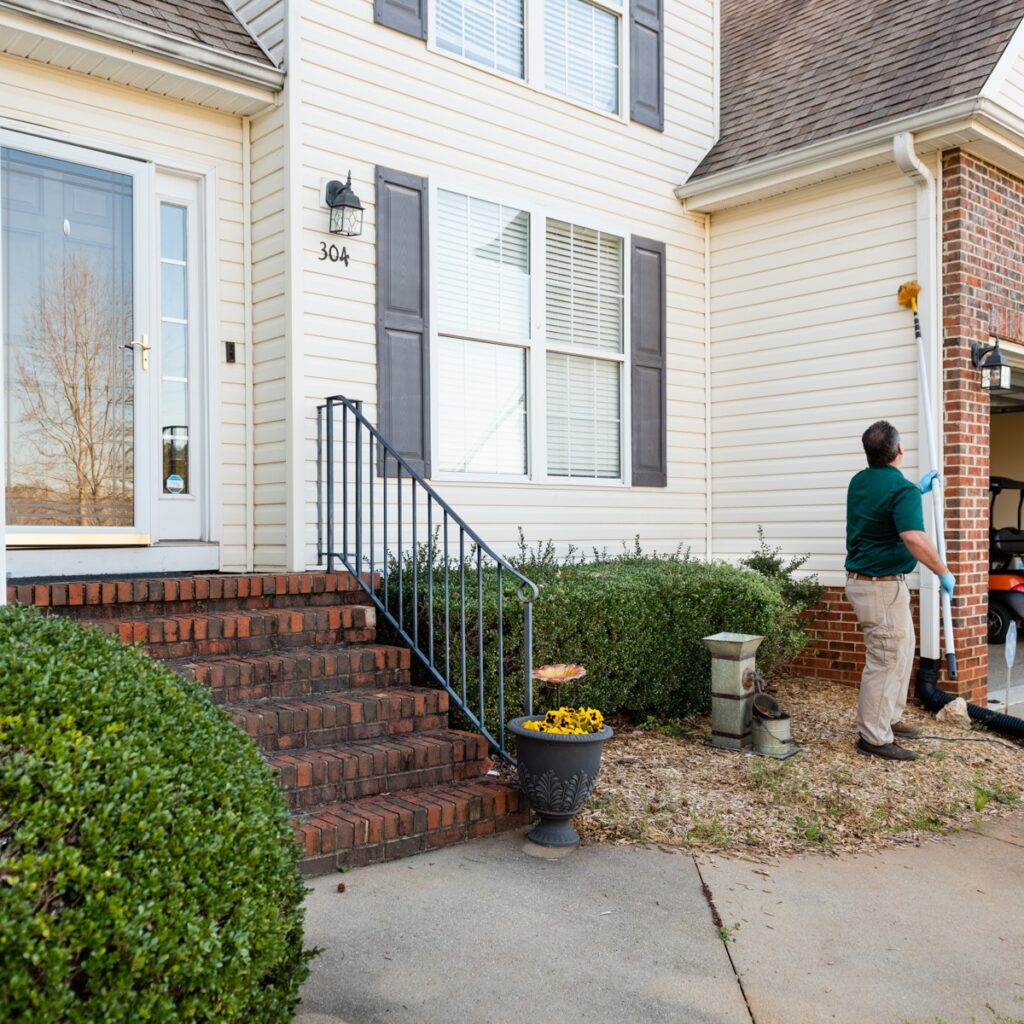
Understanding the Risks of Stinging Insects
Stinging insects are territorial and will defend their nests if they feel threatened. Their stings can cause pain, swelling, or, in severe cases, life-threatening allergic reactions. Unlike honeybees, many wasps and hornets can sting multiple times, increasing the risk during an encounter.
- Wasps and yellow jackets tend to nest in wall voids, attics, or the ground and become highly aggressive in late summer.
- Hornets, a type of large wasp, often build football-shaped nests in trees or under roof overhangs.
- Paper wasps form umbrella-shaped nests on eaves, porch ceilings, and window frames.
These insects are most active during the daytime and can be easily provoked by vibration, movement, or noise near their nests. Swatting at them or attempting to spray them directly often results in defensive swarming. For safety, it is best to avoid direct contact with any nest, no matter how small it may seem.
Signs of a Nest and When to Act
Recognizing the early signs of stinging insects on your property allows for quicker, safer action. Many nests begin small and hidden but can grow rapidly if left undisturbed. By the end of summer, an untreated nest can contain hundreds of aggressive insects.
- Frequent insect traffic near a single location, especially under siding, eaves, or deck structures
- Visible gray or brown paper-like structures forming in trees or on rooflines
- Buzzing sounds coming from wall cavities or shrubs
- Increased activity near outdoor trash bins, pet food, or sweet drinks left outside
If you notice any of these indicators, it’s important not to disturb the area. Even seemingly abandoned nests can still house active insects. The safest and most effective approach involves calling professionals to evaluate the site and take appropriate removal steps.
Safe Practices for Prevention
Preventing stinging insects from nesting near your home begins with regular maintenance and proactive steps during early spring and summer. Since many wasp species reuse previous nest sites, it’s critical to remove all old nest material and repair gaps or crevices they may exploit.
- Seal gaps around soffits, vents, and siding where wasps may enter.
- Remove unused outdoor furniture or playground equipment that could provide shelter.
- Regularly inspect roof eaves, under decks, and around sheds for early nest formation.
- Keep food and drinks covered during outdoor activities, and clean spills quickly.
- Trim overgrown shrubs and trees near the home to limit potential nesting sites.
These practices align with advice in dealing with stinging insects, which emphasizes early action and deterrence. Keeping outdoor areas clean and sealed off reduces the attractiveness of your property to insects scouting for nest locations.
Why DIY Removal Is Dangerous
Attempting to remove a stinging insect nest on your own carries significant risk. Store-bought sprays may offer short-term results but often fail to eliminate the entire colony or queen. Incomplete treatment can result in repeated nest rebuilding or unexpected swarms.
- DIY sprays often agitate insects without killing them, increasing their aggression.
- Nest locations in high or enclosed spaces, such as attics or wall voids, are hard to access safely.
- Nighttime treatments, while somewhat safer, still carry the risk of surprise stings or missed insects.
- Protective gear sold for public use may not provide the level of defense needed against a swarm.
In addition to health risks, disturbing a nest could lead to property damage or legal liability if someone else is stung. For this reason, it’s strongly recommended to seek expert help, especially with large or high-traffic nests. As discussed in the secret to keeping wasps out, long-term control involves more than just one-time removal, it’s about eliminating attractants and preventing re-nesting.
Long-Term Solutions for a Safer Property
Stinging insect management is most successful when combined with professional inspection and seasonal planning. Experts can assess risk areas, remove active nests, and provide guidance on landscaping or structural improvements that help keep insects away.
- Schedule early spring inspections before nesting begins.
- Replace damaged screens, seal attic vents, and reinforce outdoor lighting fixtures.
- Use insect-repelling plants like mint or citronella around patios or sitting areas.
- Request follow-up visits during peak summer months to monitor high-risk zones.
- Consider professional-grade deterrents or barriers for recurring problem areas.
These preventive efforts not only make your outdoor space more enjoyable but also protect your family and pets from the medical risks associated with stings. A coordinated approach led by trained professionals ensures your property remains safe and pest-free throughout the season.
Don’t Let Nests Take Over
Stinging insects can turn a peaceful yard into a risky zone if not handled correctly. Quick action, seasonal maintenance, and expert support are key to staying safe.To remove nests safely and prevent future infestations, contact Greenville Pest Control and get professional protection tailored to your property.
