

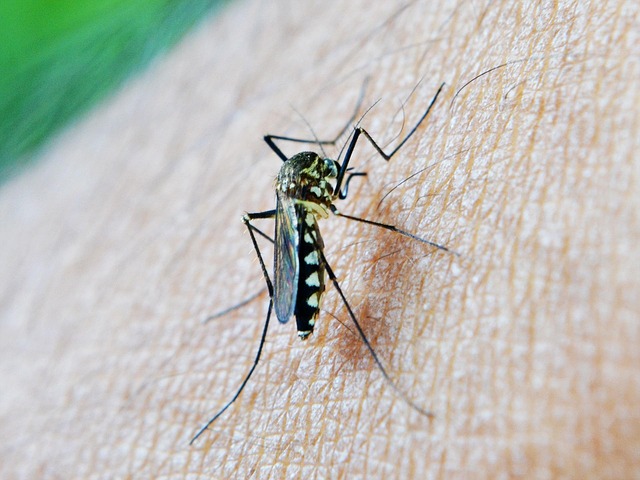
Mosquitoes are one of the most persistent pests homeowners face, and their activity is influenced heavily by the changing seasons. In Greenville, the climate and environment provide unique conditions that allow these insects to thrive in different breeding sites throughout the year. Knowing where mosquitoes breed and how to manage those sites is essential for reducing populations and keeping yards comfortable for family and guests. By combining awareness with preventive practices, homeowners can support long-term mosquito control strategies that fit the seasonal challenges of the area.

Springtime Moisture and Mosquito Hotspots
Spring rains bring a surge of standing water, creating ideal breeding conditions for mosquitoes. In Greenville yards, common springtime breeding sites often include:
- Clogged gutters: Leaves and debris trap moisture, giving mosquitoes a sheltered space to lay eggs.
- Low-lying lawn areas: Puddles form in soil depressions after rainfall.
- Plant saucers and buckets: Items left outside collect water quickly during frequent showers.
- Birdbaths: Without regular cleaning, these can become mosquito nurseries within days.
This season highlights the importance of regular yard inspections. Homeowners can reduce breeding risks by clearing gutters, leveling uneven soil, and emptying containers after storms. Addressing moisture at this stage also limits broader pest issues, as explained in this guide to the role of moisture control in pest prevention.
Summer Heat and Backyard Risks
When summer arrives, higher temperatures accelerate mosquito development. Eggs hatch faster, and larvae mature quickly, making it even more important to reduce stagnant water. In Greenville yards, summer-specific breeding sites include:
- Swimming pool covers: Water collected on covers can provide ample space for larvae.
- Outdoor toys: Items like kiddie pools or plastic playsets often hold water unnoticed.
- Overwatered lawns: Excess irrigation creates conditions similar to natural marshes.
- Dense shrubs and shaded areas: While not direct breeding sites, these provide shelter for adult mosquitoes.
Alongside addressing water, making sure vegetation is trimmed back and maintaining the airflow in outdoor areas both help reduce mosquito resting zones. This not only improves comfort but also limits mosquito harborage during peak summer months.
Fall Transition and Hidden Breeding Spots
As temperatures cool in the fall, mosquito activity does not disappear immediately. Greenville’s climate allows mosquitoes to remain active until the first frost, which means homeowners must continue monitoring breeding sites. Fall risks include:
- Rain-filled containers: Buckets, pots, or wheelbarrows often left out during yard cleanup can collect water.
- Clogged drains: Fallen leaves block drainage, creating pools of stagnant water.
- Compost bins or piles: Moist organic material can provide hidden breeding zones.
- Abandoned rainwater barrels: Uncovered barrels become one of the most significant fall breeding hotspots.
During this transition season, mosquito management should be part of routine fall yard preparation. Clearing leaves, draining unused containers, and monitoring shaded areas can drastically reduce late-season mosquito activity.
Winter Habits and Overwintering Strategies
While mosquito populations decline in winter, certain species can survive colder weather by overwintering. Eggs deposited in damp soil, tree holes, or containers can withstand the cold, waiting for warmer conditions to hatch. Homeowners should be aware of:
- Tree cavities: Water and organic matter inside hollow trees provide a safe egg-laying site.
- Basements or crawl spaces: In rare cases, indoor damp areas can harbor mosquito activity during mild winters.
- Unmaintained ponds: These may not freeze completely, giving mosquitoes a survival advantage.
Winter is the time to prepare for the next season. Yard inspections, covering tree holes, and maintaining proper drainage can prevent eggs from hatching when spring returns. Preventive action taken now ensures a head start on mosquito control when the weather warms again.
Year-Round Protection Through Professional Expertise
Even with diligent seasonal efforts, mosquitoes are resourceful insects that exploit overlooked breeding sites. While homeowners can manage standing water and yard care, professional services provide the expertise and resources to identify hidden risks. Specialists can assess seasonal breeding challenges and create tailored strategies to keep populations under control. Choosing the right approach ensures not only outdoor comfort but also reduces health risks associated with mosquitoes, such as the transmission of West Nile virus. For long-term peace of mind, many homeowners explore options like a customized pest management plan, similar to the insights provided in this guide on how to choose the right pest control plan.
Take Action for a Mosquito-Free Yard
Mosquitoes adapt quickly to seasonal changes, and Greenville yards present plenty of opportunities for breeding. By combining homeowner diligence with expert support, it is possible to reduce populations and enjoy outdoor spaces year-round. For trusted mosquito control tailored to Greenville’s unique seasonal challenges, contact Greenville Pest Control today.
