

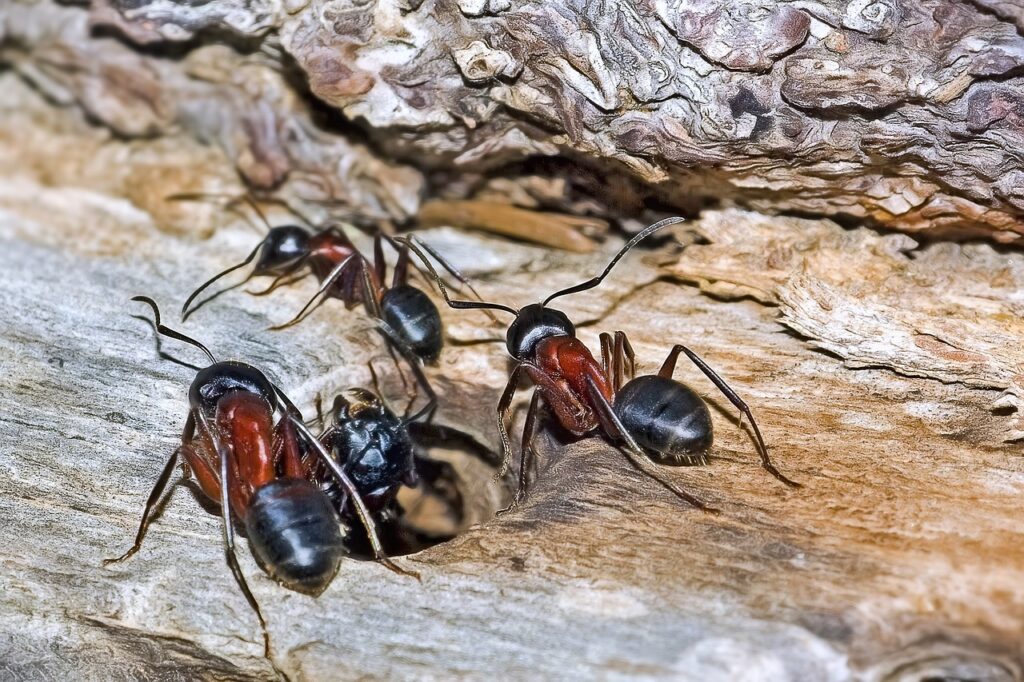
Ant infestations are a familiar issue for many households, but not all ants are the same. Fire ants are far more aggressive than most common species, and their ability to inflict painful stings makes them a significant threat to both people and pets. They form complex colonies that are difficult to eliminate, requiring strategies that go beyond general ant treatments. Understanding why fire ant control stands apart helps property owners appreciate the need for specialized approaches that target these pests effectively.
Understanding Fire Ant Behavior
The differences between fire ants and other common ant species begin with behavior. Unlike ants that primarily forage for food and avoid confrontation, fire ants defend their colonies aggressively. They can attack in swarms, delivering stings that inject venom and cause burning sensations, welts, or even allergic reactions.
Key behavioral differences include:
- Colony structure: Fire ants build large mounds that may house multiple queens, making colonies harder to eliminate.
- Aggressiveness: They respond quickly and in groups when disturbed, unlike other ant species that scatter.
- Feeding habits: Fire ants feed on plants, insects, and small animals, showing more destructive tendencies.
- Outdoor dominance: Their nests are typically outdoors, but they can invade structures when conditions drive them indoors.
- Reproduction rate: Colonies expand rapidly, with thousands of ants capable of spreading across wide areas.
These traits highlight why controlling fire ants requires more than surface treatments. Unlike typical household ants, they present both health and environmental concerns, raising the stakes for safe and effective management.
Why Common Ant Treatments Fall Short
Conventional ant treatments often target species like pavement ants, odorous house ants, or carpenter ants. These methods typically rely on baiting systems or residual sprays designed to disrupt foraging trails. While these approaches may work for less aggressive ants, they are often ineffective against fire ants.
Reasons common treatments fail with fire ants include:
- Ineffective baits: Fire ants may reject baits designed for other species.
- Large colonies: Standard treatments rarely penetrate deep enough to reach multiple queens.
- Rapid relocation: Disturbing a mound often causes the colony to split and form new mounds elsewhere.
- Surface-only sprays: Residual sprays may kill visible ants but fail to impact the core colony.
- Aggressive rebound: Surviving fire ants can quickly re-establish dominance in the same area.
This is why DIY perimeter treatments may not succeed. While they can be effective against smaller infestations, tackling fire ants demands professional expertise. Homeowners often discover the limitations of general treatments when infestations persist, which reinforces the importance of recognizing signs that you need a pro.
Specialized Strategies for Fire Ant Control
Fire ant control requires an integrated strategy that targets the colony as a whole. Unlike general ant treatments that may focus on individual trails, fire ant programs are designed to penetrate deep into the mound and disrupt reproduction cycles.
Specialized strategies include:
- Broadcast baiting: Involves spreading fire ant-specific bait across infested areas for worker ants to bring back to the colony.
- Direct mound treatments: Products applied directly into mounds to eliminate ants at their source.
- Multiple-queen targeting: Solutions designed to neutralize colonies with more than one queen.
- Seasonal timing: Treatments scheduled during peak activity periods for maximum effectiveness.
- Ongoing monitoring: Regular inspections to ensure colonies do not rebound or migrate.
By combining these methods, professionals achieve results that last longer and minimize the risks associated with incomplete treatments. This approach protects families, pets, and properties from both the health risks and the property damage fire ants can cause.
Long-Term Prevention and Safety
While eliminating current infestations is important, preventing future outbreaks is equally vital. Fire ants often reappear if preventive steps are not taken. Long-term fire ant control involves a combination of environmental adjustments and ongoing protection measures.
Prevention strategies include:
- Eliminating food sources: Secure trash bins and clean up spills to reduce attractants.
- Managing moisture: Repair leaky faucets or irrigation issues that create favorable nesting conditions.
- Landscaping care: Trim grass and reduce dense vegetation where mounds may form.
- Professional maintenance programs: Regular visits ensure early detection and timely treatment.
- Safe practices: Limit disturbing visible mounds to avoid aggressive swarming.
These steps are especially important for families with children or pets who spend time outdoors. Fire ants are unpredictable, and preventing contact is critical for reducing risks. Deciding on the right pest control plan ensures treatments are customized for each property’s specific challenges.
Why Professional Expertise Matters Most
Fire ants require an approach that blends science, safety, and precision. Attempting to handle infestations without professional support often leads to frustration and recurring problems. Professionals understand the biology of fire ants, use products specifically designed for them, and apply treatments that are both safe and effective.
In addition to addressing current infestations, professionals create preventive strategies that safeguard properties year-round. Their experience ensures colonies are eliminated at their core rather than temporarily disrupted. For property owners, investing in expert services means fewer risks, greater peace of mind, and reliable long-term results.
Take Back Your Yard from Fire Ants
Fire ants differ from other ant species in ways that demand specialized care. Their aggressive behavior, complex colonies, and rapid reproduction make them difficult to control with common treatments. Through professional strategies that target colonies directly and prevent future infestations, families can enjoy safer outdoor spaces. For tailored solutions that deliver lasting protection, contact Greenville Pest Control today and regain control over your property.
