

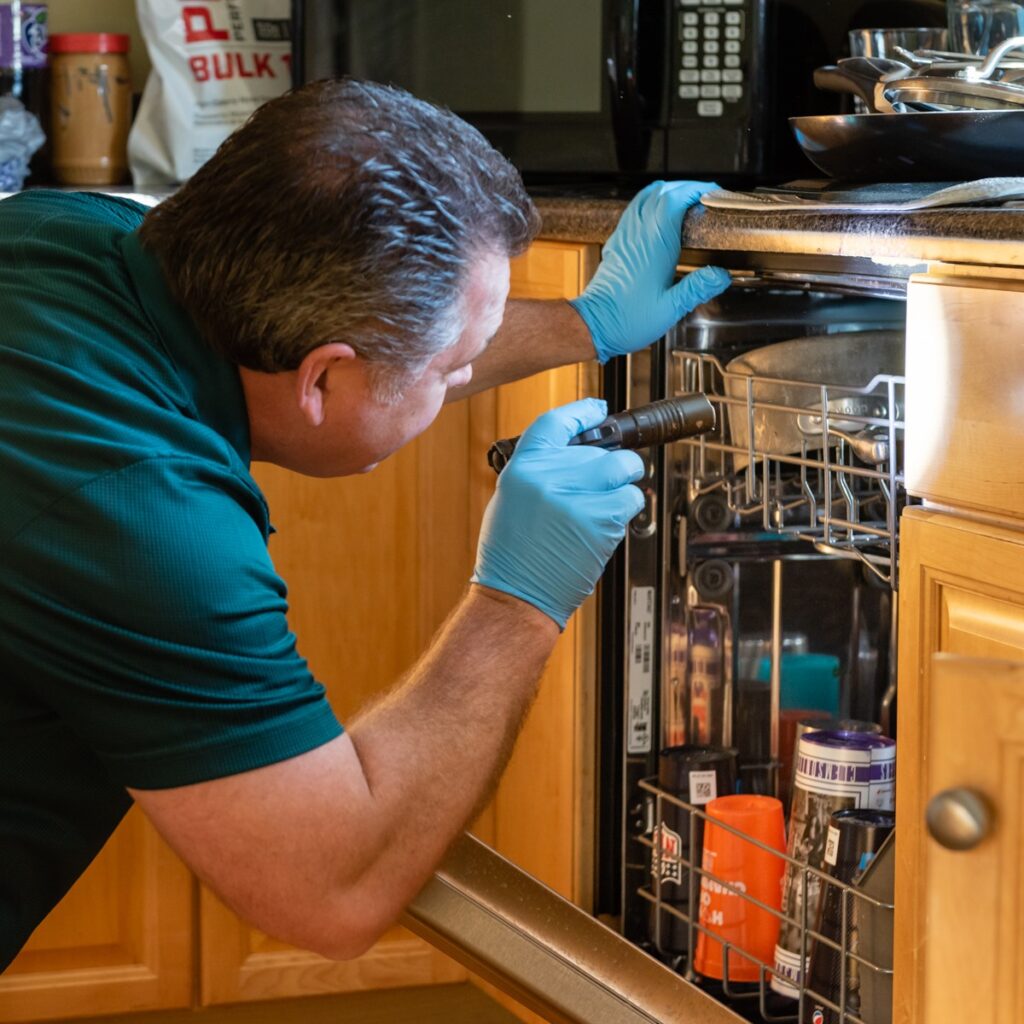
A few ants near the sink, one cockroach in the garage, or occasional scratching in a wall may seem minor. The problem is that many pests are already established before homeowners see them. Warm temperatures, moisture, food, shelter, and hidden entry points can allow small populations to grow quickly.
Professional pest control focuses on the conditions behind the sighting, not just the visible pest. Greenville-area homes can face ants, bed bugs, cockroaches, mosquitoes, rodents, spiders, termites, fleas, ticks, birds, and stinging insects. Each behaves differently, but all can become harder to manage when early signs are ignored.

Hidden Reproduction Can Outpace Visible Activity
Many infestations grow in places homeowners rarely inspect. Cockroaches can remain behind appliances and inside cabinets. Rodents may nest in attics, wall voids, or storage areas. Ant colonies can stay outdoors while workers repeatedly enter for food and moisture.
Early warning signs may include:
- Droppings appearing in cabinets, garages, or storage areas
- Ant trails returning after the visible insects disappear
- Webs developing repeatedly around the same corners
- Scratching or movement inside walls and ceilings
- Flea or tick activity around pet-use areas
- Stinging insects repeatedly entering one structural opening
A closer look at outdoor pest pressure shows how food, moisture, shelter, landscaping, and access around patios and yards can support pests before they move indoors. Early inspection helps identify those connections.
Food, Water, And Shelter Keep Small Problems Growing
Pests remain where basic resources are dependable. A leaking pipe, open trash container, pet food, damp mulch, cluttered garage, or shaded crawl space can provide enough support for activity to continue.
What makes these conditions difficult is that several pests may use the same resource differently. Cockroaches may gather near moisture, ants may establish trails toward food, rodents may use stored materials for nesting, and spiders may settle where insect prey is plentiful.
Professional inspection helps determine which conditions are actually contributing to the problem. That matters because correcting the wrong issue can leave the real source untouched. A few visible pests may disappear temporarily while the population continues growing in a protected area nearby.
Delayed Action Gives Pests More Space To Spread
A small infestation can become more complicated when pests move into additional rooms, adjoining walls, exterior structures, or neighboring activity zones.
Signs that a problem may be expanding include:
- Pest sightings occurring in more than one room
- New droppings appearing away from the original area
- Increased activity during daylight hours
- Multiple entry points showing fresh evidence
- Damage spreading to food, wood, insulation, or stored items
- Repeated activity after an earlier treatment or cleanup
Bed bugs can spread through furniture, luggage, and belongings. Rodents may establish several travel routes. Termites can continue feeding inside structural wood without obvious surface damage. Mosquitoes, fleas, and ticks can also persist when outdoor breeding or host conditions remain active.
The longer these patterns continue, the more inspection, treatment, and follow-up may be needed.
Seasonal Changes Can Accelerate Pest Pressure
Greenville’s warm, humid climate allows pest activity to shift rather than simply stop. Heat can increase insect movement, rainfall can create moisture, and cooler periods can push rodents or other pests toward indoor shelter.
Understanding seasonal pest trends helps explain why a quiet period does not always mean the underlying risk has disappeared. Ants, mosquitoes, fleas, ticks, spiders, cockroaches, rodents, termites, and stinging insects can respond differently as weather changes.
Professional pest control adjusts with those patterns. Technicians can recheck earlier hot spots, evaluate new moisture or entry conditions, and change treatment when activity shifts. This seasonal perspective is more efficient than treating every new sighting as an unrelated event.
Early Professional Control Helps Prevent Costlier Infestations
The most effective time to address pest activity is when the evidence is still limited. Early action gives technicians more opportunity to identify the source, treat active areas, and reduce the conditions helping the infestation expand.
A complete plan may include:
- Identifying the pest before selecting treatment
- Inspecting indoor and outdoor activity zones
- Locating food, moisture, shelter, and entry points
- Applying targeted treatment where evidence is confirmed
- Correcting structural or environmental contributors
- Scheduling follow-up to confirm activity is declining
Professional pest control also creates a baseline. If ants return near the same doorway, rodents shift to another route, or cockroaches appear in a different utility area, technicians can compare those findings with the original inspection instead of starting over.
Small pest problems become major infestations when reproduction, shelter, and access continue unnoticed. The visible insect or rodent may be only the first clue. Acting on early evidence makes treatment more focused and can reduce the disruption, property damage, and repeat service that often come with a larger infestation.
Stop Small Pest Problems Before They Grow
If recurring pest activity is starting to appear around your home, contact Greenville Pest Control for professional inspection, targeted pest control, prevention, and follow-up based on your property’s conditions.
