

A quiet winter morning in Greenville can make pest problems feel like a summer concern. Yet activity does not disappear when outdoor temperatures drop. Rodents can remain sheltered in attics, cockroaches may survive near indoor moisture, and subterranean termites can continue feeding within protected environments. Different pests take advantage of different conditions, so a property that seems peaceful in one season may still have vulnerabilities.
Year-round pest control recognizes that South Carolina’s climate is not defined by a single pest season. Our technicians evaluate how moisture, temperature, food sources, and building access change over time. That wider view allows us to address recurring causes instead of treating each new sighting as an unrelated surprise.
Every Season Brings a Different Pattern of Pest Activity
Upstate South Carolina experiences humid summers, changing rainfall, and generally milder winters than many northern regions. These conditions affect where pests feed, reproduce, and shelter. Some become easier to notice outdoors during warmer months, while others remain active inside structures regardless of the weather.
Seasonal patterns commonly include:
- Spring movement: Ant colonies expand, termite swarmers may appear, and stinging insects begin establishing nests around sheltered exterior features.
- Summer moisture: Standing water supports mosquito development, while humid areas can encourage cockroach activity and other pest concerns.
- Fall sheltering: Mice and rats may explore garages, crawl spaces, and wall openings as outdoor conditions shift.
- Winter persistence: Rodents, cockroaches, bed bugs, and other indoor pests can remain active in heated or protected spaces.
- Overlapping activity: Spiders may follow insect prey, while termite colonies can remain concealed when obvious surface signs are absent.
These are tendencies, not an exact calendar. One property may experience mosquito pressure after summer storms, while another develops rodent activity around stored materials. Our guide to seasonal pest trends explores how those changing conditions influence what homeowners notice throughout the year.
Because pest populations can develop out of sight, an inspection helps connect sightings with the conditions that support them. The goal is to identify a developing pattern before an occasional problem becomes a repeated disruption.
Recurring Inspections Reveal Problems That One Visit May Miss
A single treatment can address a current infestation, but it cannot freeze a home’s condition in place. Door seals deteriorate, vegetation grows, plumbing begins leaking, and outdoor debris accumulates. Even after pest activity declines, new access routes or food sources may create opportunities for another problem.
Regular professional evaluations can provide:
- Earlier evidence: Fresh droppings, insect trails, damaged wood, or recurring sightings can indicate where closer attention is needed.
- Better identification: Similar-looking signs do not always come from the same pest, and each species requires an appropriate response.
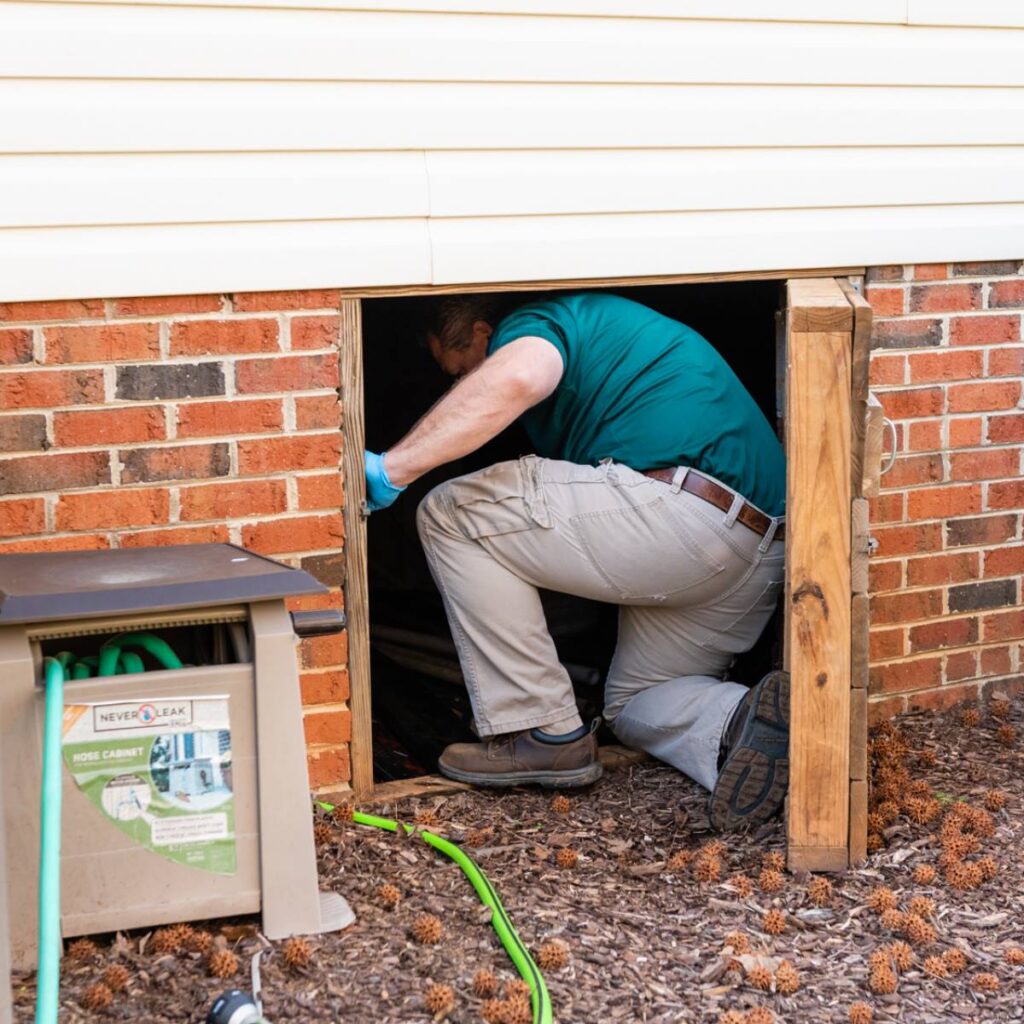
- Moisture observations: Damp crawl spaces, foundation edges, and plumbing areas may support insects or contribute to termite concerns.
- Treatment adjustments: Findings can guide targeted applications, monitoring, or exclusion recommendations instead of repeating identical work automatically.
- Useful records: Documented visits help technicians compare new evidence with earlier conditions and evaluate whether activity has changed.
These visits also help separate pest management from building maintenance, a distinction that can prevent confusion about which specialist should handle each concern. A technician might identify a leak that needs a plumber or damaged trim that requires repair. Addressing those structural concerns can be important to lasting control, but pest treatment alone cannot resolve them.
Our approach uses integrated pest management, combining inspection, habitat considerations, and appropriately selected treatments. This supports a more measured response than assuming every sighting demands the same product or service frequency.
Consistent Prevention Protects Homes Through Changing Conditions
A meaningful year-round plan is based on the property itself. Homes near wooded areas may have different termite or rodent exposure than houses surrounded by landscaped subdivisions. Families with pets may notice flea or tick concerns outdoors, while shaded yards with standing water may experience mosquitoes during suitable months.
An ongoing plan should consider:
- Property history: Previous infestations help identify areas that deserve continued observation.
- Entry vulnerabilities: Openings around doors, vents, utility lines, and roof edges can connect outdoor activity with interior shelter.
- Outdoor conditions: Irrigation, drainage, vegetation, and stored materials may influence pest activity around foundations.
- Appropriate timing: Monitoring and treatment frequency should reflect actual pest pressure and seasonal findings.
- Follow-up results: Later inspections can show whether corrective measures worked or whether the concern has shifted elsewhere.
Our article on common pest entry points explains why building openings need attention alongside moisture control and monitoring. Treating a pest without considering its access route can leave the underlying problem unresolved.
Year-round service does not guarantee a pest-free property every day. It provides continuity, clearer documentation, and opportunities to respond as conditions change. For South Carolina homeowners, that is the practical value of prevention: fewer assumptions, better-informed decisions, and a plan that does not end when the weather cools.
Keep Your Protection in Season
If pests are returning or you want a clearer picture of your home’s vulnerabilities, contact Greenville Pest Control for a professional inspection and a tailored ongoing service plan.
