

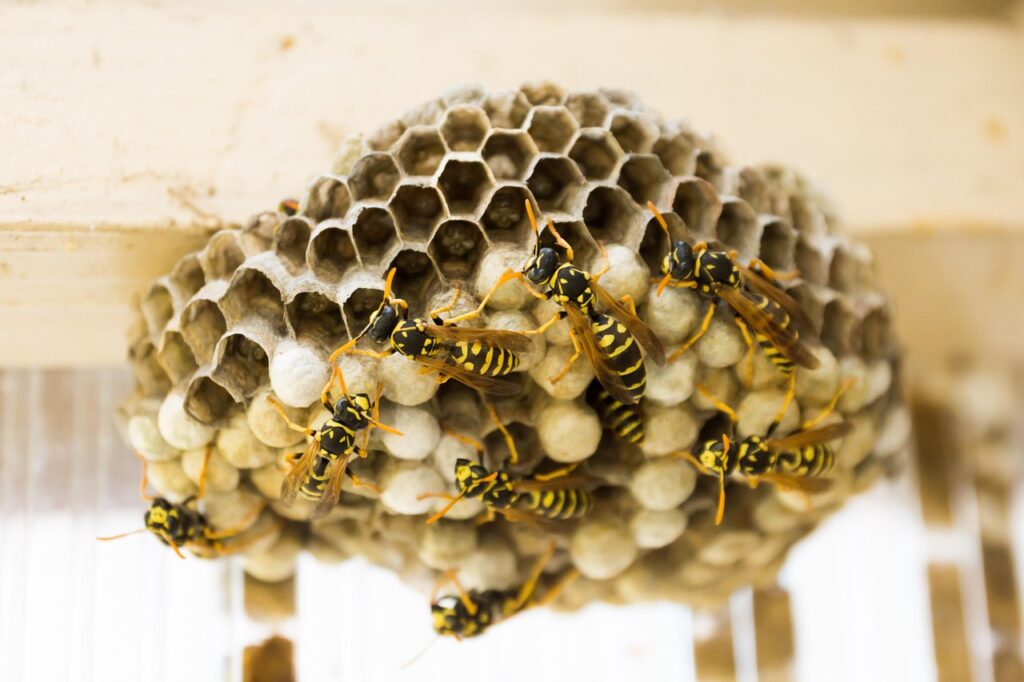
Playgrounds are designed to be safe, active spaces where children can explore and interact freely. However, these environments can unintentionally attract stinging insects when certain conditions are present. Wasps, bees, and hornets are naturally drawn to areas that provide food, shelter, and access to moisture, all of which can exist in playground settings if not carefully managed.
From a pest control perspective, preventing stinging insects is less about reacting to visible nests and more about understanding the environmental factors that allow them to establish themselves. Early awareness and consistent management play a significant role in reducing risk and maintaining a safer space for children and families.

Why Playgrounds Attract Stinging Insects
Playgrounds often combine several elements that appeal to stinging insects. Food residue, open trash bins, shaded structures, and nearby vegetation all contribute to an environment where these pests can thrive.
- Food waste from snacks and drinks creates consistent attractants
- Open garbage containers provide easy access to sugar and protein sources
- Wooden structures and equipment offer protected nesting areas
- Flowering plants and landscaping draw pollinators into active play zones
These factors do not immediately lead to infestations, but over time, they create patterns that encourage stinging insects to return and establish nesting sites. Understanding these attractants is the first step in reducing their presence.
Environmental patterns specific to the region also play a role. This overview of local pest activity patterns explains how climate conditions influence pest behavior, including stinging insects.
Key Environmental Conditions That Increase Risk
Certain environmental conditions make playgrounds more vulnerable to stinging insects. These conditions are often subtle and develop gradually, making them easy to overlook without regular evaluation.
- Standing water from poor drainage supports insect activity
- Dense shrubs and overgrown vegetation provide hidden nesting spots
- Warm, sheltered areas under equipment create ideal nesting environments
- Limited airflow in enclosed spaces allows insects to remain undisturbed
When these conditions are present, stinging insects are more likely to settle and remain active in the area. Addressing these factors early helps prevent long-term issues and reduces the likelihood of unexpected encounters.
Best Practices for Reducing Stinging Insect Activity
Effective prevention involves a combination of environmental management and consistent monitoring. Rather than relying on reactive measures, a proactive approach focuses on making the playground less appealing to stinging insects.
- Maintain clean eating areas and remove food waste promptly
- Use sealed trash containers to limit access to attractants
- Trim vegetation regularly to reduce shelter opportunities
- Inspect playground structures for early signs of nesting
- Ensure proper drainage to eliminate standing water
These practices create a less hospitable environment for stinging insects, making it more difficult for them to establish nests. Consistency is key, as even small lapses can allow activity to return.
Landscaping choices also play an important role. Insights from this guide on landscape insect deterrence highlight how strategic plant selection and layout can reduce the presence of stinging insects in outdoor spaces.
The Importance of Early Detection and Monitoring
Preventing stinging insects is not a one-time effort. It requires ongoing observation and attention to changes within the environment. Early detection allows for intervention before nests become established and are more difficult to manage.
Inspectors typically look for subtle indicators such as increased insect traffic, small nest formations, or changes in insect behavior around structures. These early signs often appear before the problem becomes visible to the general public.
Regular monitoring also helps identify patterns. For example, certain areas of the playground may consistently attract more activity due to shade, moisture, or proximity to food sources. Recognizing these patterns allows for more targeted and effective pest control strategies.
Without consistent monitoring, stinging insect activity can develop unnoticed. By the time nests are clearly visible, the risk level has already increased, especially in high-traffic areas where children are present.
Why Professional Pest Control Provides Lasting Protection
While basic maintenance reduces risk, managing stinging insects at a deeper level often requires professional evaluation. These pests can build nests in concealed areas such as underground cavities, wall voids, or structural gaps that are not easily accessible.
Professional pest control focuses on identifying these hidden nesting sites and addressing the conditions that support them. This approach goes beyond surface-level solutions and aims to prevent recurring activity.
A comprehensive strategy may include environmental adjustments, targeted treatments, and ongoing monitoring to ensure that the playground remains a safe space over time. This level of detail is difficult to achieve without experience and specialized knowledge.
In environments where safety is a priority, relying on a structured approach provides greater confidence. It ensures that potential risks are addressed thoroughly and that preventative measures remain effective as conditions change.
A Safer Space Starts with the Right Approach
Creating a playground that remains safe and enjoyable requires more than routine cleaning. It involves understanding how stinging insects interact with the environment and taking steps to reduce the conditions that attract them.For dependable support and a more complete approach to prevention, reach out to Greenville Pest Control and move forward with a strategy designed to keep playground spaces consistently protected.
