

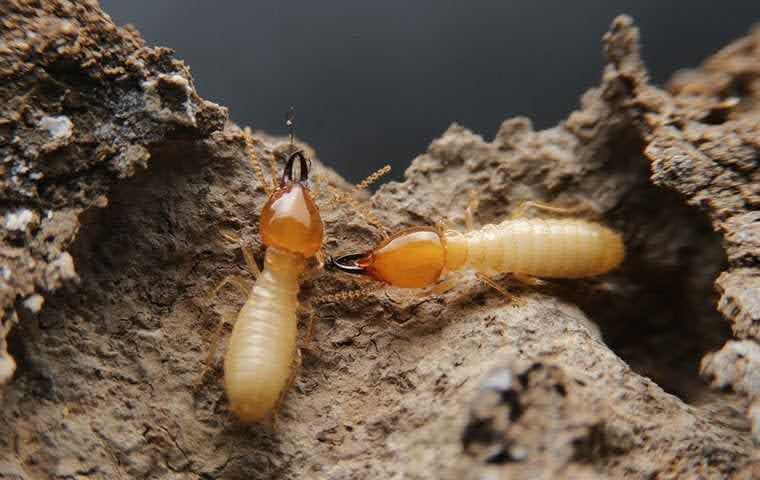
A summer termite swarm can be easy to misunderstand. Homeowners may see winged insects near windows, porch lights, doors, or crawl space openings and assume they are only temporary outdoor pests. In reality, swarmers are reproductive termites leaving an established colony to start new ones. Their appearance does not always mean active damage is visible, but it does mean the property deserves careful attention.
Termite control starts with interpreting what the swarm may be telling you. Swarmers can point to moisture, hidden wood contact, soil access, aging structural gaps, or an active colony near the home. Because termites often work behind walls, under flooring, in crawl spaces, or inside wood members, a swarm may be one of the first obvious clues that professional inspection is needed before the problem grows.
Swarmers Signal A Mature Colony
Termites swarm when a colony is developed enough to produce winged reproductives. These swarmers leave in groups, usually when temperature, humidity, and weather conditions are favorable. Summer warmth and moisture can create the right conditions for movement, especially after rainfall or in areas with damp soil.
- Winged termites may appear near windows, doors, vents, or light sources.
- Discarded wings can collect on windowsills, floors, patios, or porches.
- Indoor swarmers may suggest activity close to or inside the structure.
- Outdoor swarmers near the foundation still deserve attention.
A swarm does not show the full colony location by itself. It is a warning sign that should be matched with inspection findings, moisture conditions, and possible entry points around the home.
Moisture And Wood Access Increase Risk
Termites need moisture and access to cellulose materials. Around Greenville homes, summer humidity, rainfall, shaded crawl spaces, leaky plumbing, clogged gutters, and wood-to-soil contact can create conditions that support activity. Wood piles, damaged trim, damp porch supports, and untreated structural gaps may also raise concern.
This is why seasonal pest prevention matters. Termites are not the only pests influenced by weather. Ants, cockroaches, spiders, mosquitoes, rodents, fleas, ticks, bed bugs, birds, and stinging insects can also respond to seasonal changes. Still, termite activity is especially concerning because damage may develop quietly before homeowners notice surface-level signs.
Professional evaluation helps connect the swarm to surrounding conditions. Moisture readings, crawl space review, foundation inspection, and wood assessment provide better answers than guessing from one visible swarm.
Swarms Can Be Confused With Ants
Termite swarmers are often mistaken for flying ants. The difference matters because each pest requires a different response. Ants may be a nuisance or a sign of nearby nesting, but termite swarmers can indicate a wood-damaging colony. Careful identification is one of the most important steps after a summer swarm.
- Termites usually have straight antennae, while ants have bent antennae.
- Termite wings are typically equal in length, while ant wings are uneven.
- Termites have a thicker, more uniform waist compared with ants.
- Discarded termite wings may appear in piles after swarm activity.
Because homeowners may only see a few insects or loose wings, identification can be difficult. A trained technician can confirm what type of pest is present and determine whether the structure needs termite-focused inspection.
Hidden Activity Requires A Monitoring Plan
A swarm is only one piece of the picture. Termites may be active in areas that are hard to see, including crawl spaces, sill plates, wall voids, subflooring, and hidden wood near moisture sources. Even when swarmers disappear, the colony that produced them may remain active.
A structured home monitoring plan helps homeowners track signs across the year instead of reacting only when insects appear. Monitoring can include checking for mud tubes, damaged wood, moisture changes, recurring swarm locations, and conditions that attract other pests such as ants, roaches, rodents, spiders, mosquitoes, fleas, ticks, bed bugs, birds, and stinging insects.
Professional monitoring is valuable because termite evidence can be subtle. Early detection supports more accurate treatment planning and helps reduce the risk of long-term structural damage.
Treatment Should Match The Evidence
Termite control should be based on what the inspection confirms. The right plan may depend on the termite species, colony location, moisture conditions, structural access, and the extent of visible or hidden activity. A one-time response to swarmers may not be enough if the colony remains connected to the structure.
- Inspect crawl spaces, foundations, porches, trim, and moisture-prone rooms.
- Address leaks, drainage concerns, and wood-to-soil contact where possible.
- Review past pest history, previous treatments, and recurring swarm locations.
- Use professional treatment and follow-up when evidence points to termite activity.
Professional service can help determine whether swarmers are coming from nearby outdoor activity or from a source affecting the home. When inspection, treatment, prevention, and monitoring work together, homeowners gain a clearer path toward long-term protection.
Protect Your Home Before Damage Spreads
For termite control, swarm inspections, moisture-aware evaluations, targeted treatments, and long-term prevention support that helps protect wood, crawl spaces, foundations, and living areas from hidden activity, contact Greenville Pest Control for professional service tailored to your property.
