

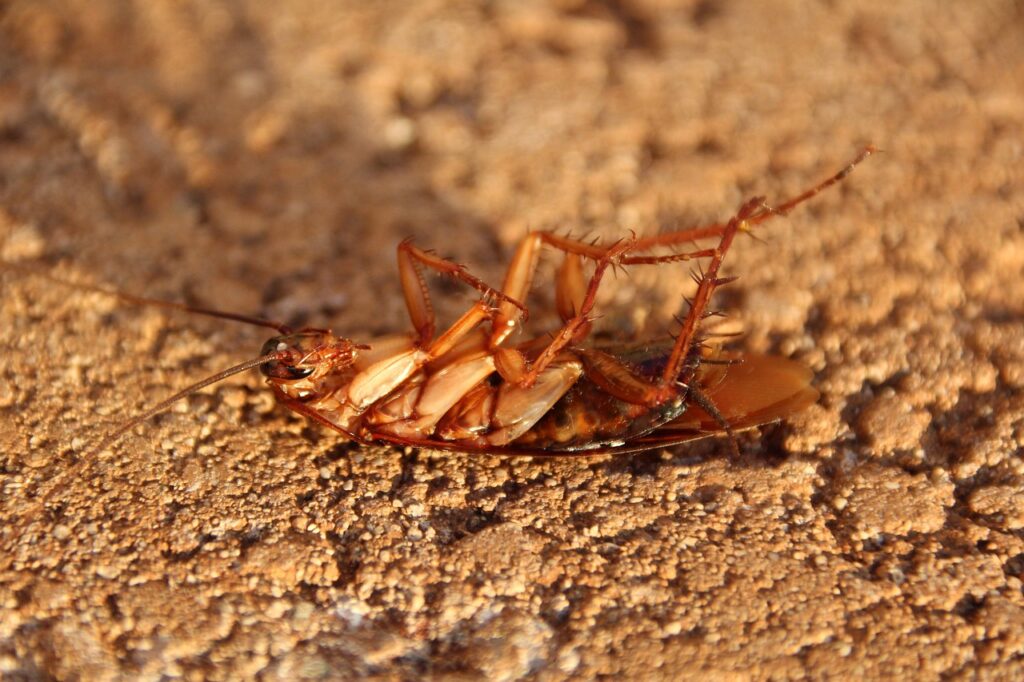
Cockroaches are drawn to Greenville area homes because the local climate often gives them exactly what they need: warmth, humidity, food, water, and protected hiding places. A roach sighting in a kitchen or bathroom may feel like a sudden problem, but the conditions that support activity usually build over time. Moisture near plumbing, crumbs under appliances, outdoor clutter, and small entry points can all help cockroaches settle in before they are seen.
Cockroach control is most effective when it begins with the source of the attraction. Greenville homes may also face pressure from ants, spiders, bed bugs, termites, rodents, birds, mosquitoes, fleas, ticks, and stinging insects, so one pest issue can signal broader property conditions. Roaches thrive when they can move quietly between food, water, and shelter. Understanding those triggers helps homeowners recognize when professional inspection and targeted service are needed.
Moisture Is One Of The Strongest Attractions
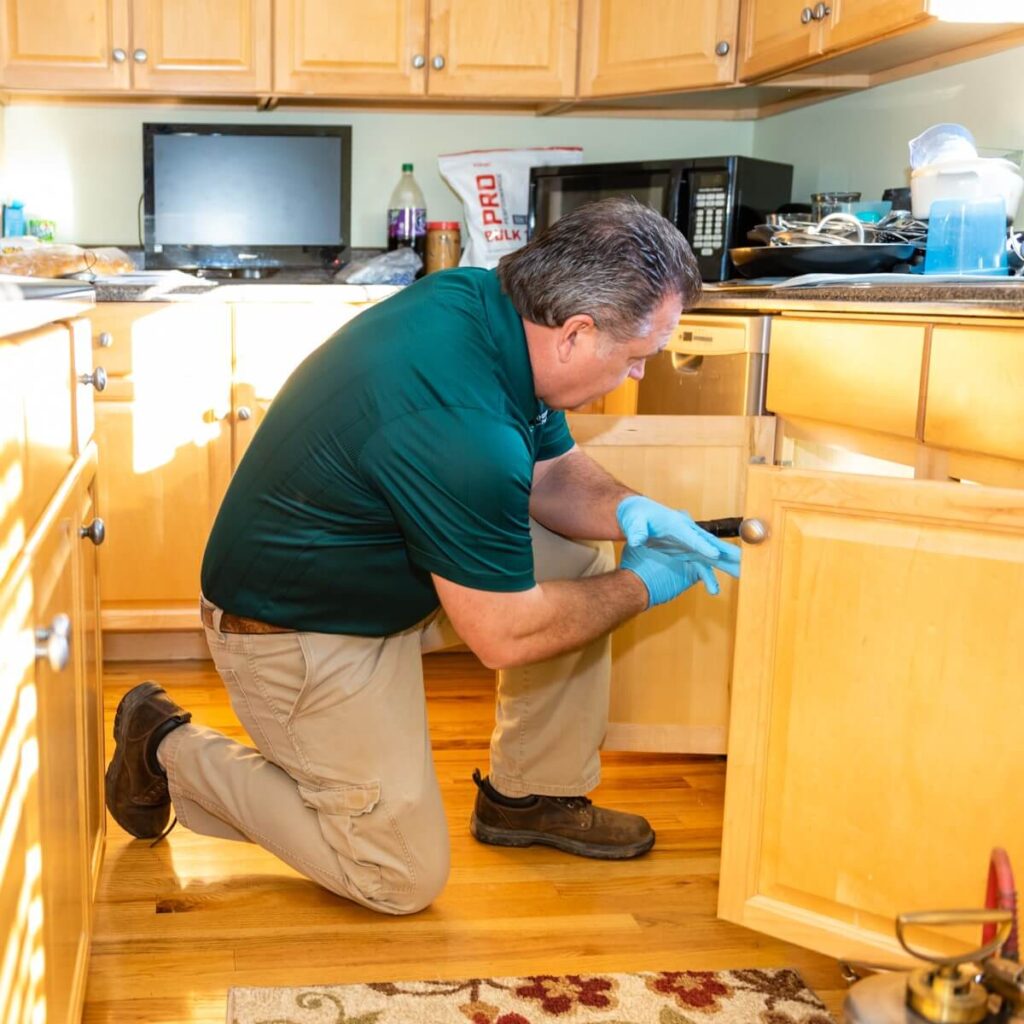
Cockroaches need moisture to survive, which is why they often appear near sinks, dishwashers, bathrooms, laundry rooms, basements, crawl-space edges, and utility areas. Greenville’s humidity can make these spaces even more favorable, especially when ventilation is limited or small leaks go unnoticed.
- Plumbing leaks can create steady water access behind cabinets and walls.
- Condensation around pipes may support hidden roach activity.
- Damp basements and crawl-space areas can provide cool shelter.
- Outdoor moisture near foundations can encourage movement toward entry points.
Moisture also supports other pests, including mosquitoes, termites, ants, and spiders. When water is part of the problem, surface-level treatment may not be enough. A professional inspection helps identify where humidity, plumbing, and pest movement overlap.
Food Residue Keeps Roaches Returning
Cockroaches can feed on very small amounts of organic material. Grease, crumbs, pet food, trash residue, cardboard glue, spills, and drain buildup may all support activity. Even clean homes can have hidden food sources behind ovens, refrigerators, pantry shelving, and trash areas.
Homeowners trying to manage expenses often benefit from thinking beyond one-time reactions. A guide to cost-saving prevention explains why early attention can help reduce larger pest problems. With roaches, waiting until sightings increase may allow hidden populations to spread into cabinets, wall voids, and utility areas.
Professional service looks at feeding zones, not only visible insects. That matters because roaches often feed at night and stay hidden during the day. When daytime sightings begin, activity may already be established.
Entry Points Make Indoor Movement Easier
Roaches can enter through gaps that look insignificant. Door thresholds, torn screens, utility penetrations, vents, garage seals, foundation cracks, and openings around pipes can all give pests a path inside. Once indoors, roaches may follow wall lines, plumbing routes, and dark corners until they find food and moisture.
- Garage doors can leave gaps along uneven concrete.
- Utility lines may create hidden routes through exterior walls.
- Window and door frames can allow movement from shaded outdoor areas.
- Foundation cracks may connect exterior pressure to indoor spaces.
These same openings can also matter for ants, spiders, rodents, stinging insects, and other household pests. A thorough inspection helps determine whether roaches are coming from outdoors, shared walls, deliveries, drains, or interior hiding areas.
Hidden Shelter Helps Infestations Grow
Cockroaches prefer tight, dark, protected spaces. They may hide behind appliances, under sinks, inside cabinet voids, near water heaters, behind baseboards, in storage rooms, or around cluttered areas. Greenville’s warm, humid conditions can help these hidden spaces stay comfortable for roaches longer during the year.
This is why long-term prevention is important. Roach problems are rarely solved by addressing only the room where they were seen. The larger goal is to reduce access, food, moisture, and shelter across the property.
Professional evaluation helps identify whether the activity is isolated or connected to a larger pattern. If roaches have reached multiple rooms, are appearing during the day, or continue returning after short-term efforts, the hidden harborage needs closer attention.
Seasonal Pressure Changes Roach Behavior
Greenville’s warm seasons can increase roach movement, while heavy rain may push pests toward protected structures. Outdoor activity around mulch, drains, porches, trash areas, landscaping, and crawl-space edges can increase pressure around the home. When conditions outside become too wet, too hot, or too crowded, roaches may move inward.
- Summer heat can increase movement near kitchens and bathrooms.
- Rain can drive pests from damp outdoor areas toward shelter.
- Yard debris and dense landscaping can create exterior hiding areas.
- Stored boxes and clutter can make indoor inspection more difficult.
Effective cockroach control considers the whole environment. The plan should account for moisture, sanitation, access points, hidden shelter, seasonal movement, and related pests such as ants, spiders, mosquitoes, termites, rodents, fleas, ticks, stinging insects, birds, and bed bugs. When inspection and treatment are based on evidence, the response becomes more precise, and the chance of recurring activity is reduced.
Keep Cockroaches From Settling In
For cockroach control that considers Greenville’s humidity, hidden moisture, food sources, entry points, and recurring pest pressure, contact Greenville Pest Control for professional support designed around a cleaner, more comfortable home.
