

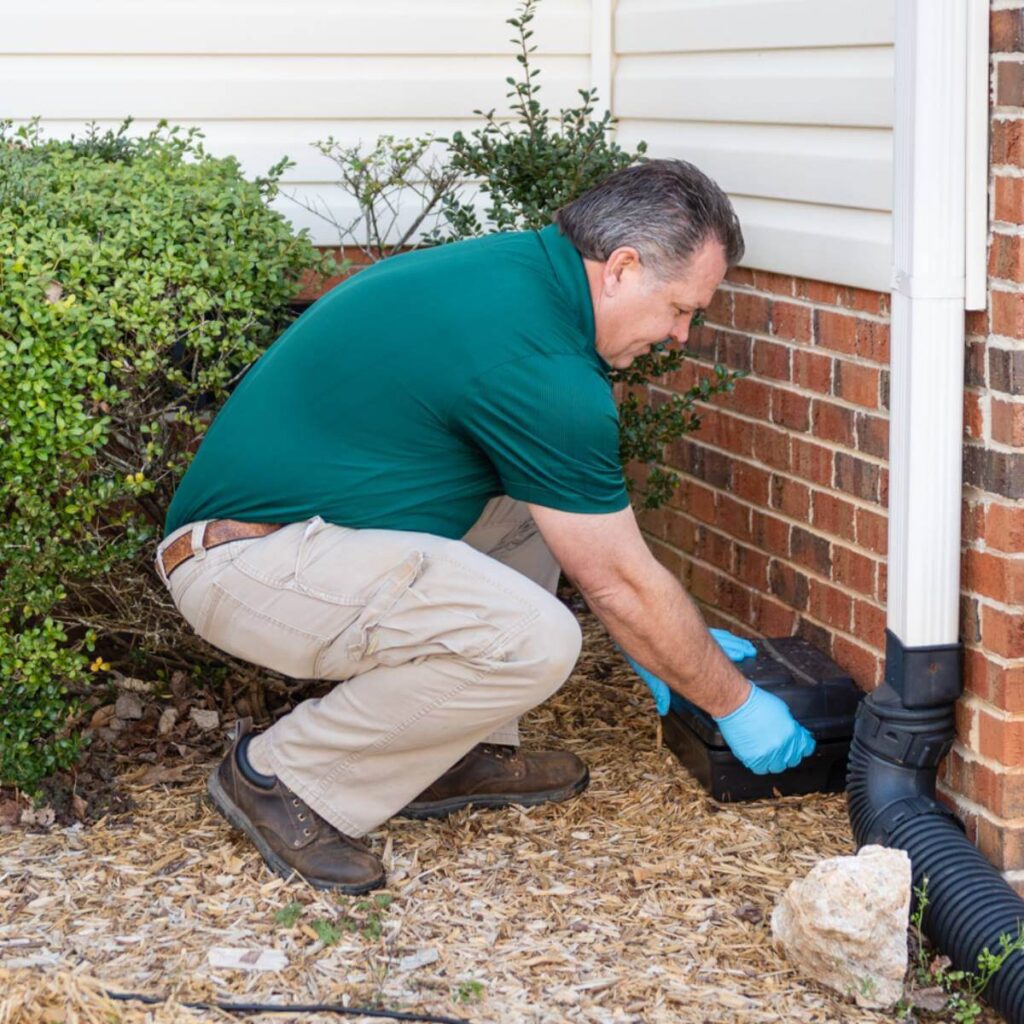
A pest problem rarely begins with the few insects, rodents, or other signs people notice first. Ants crossing a counter, cockroaches near a cabinet, spiders in corners, mosquitoes around doors, fleas or ticks near pets, bird activity around rooflines, or termite concerns in wood can all point to larger conditions around the property. The challenge with diy pest control is that it usually reacts to the visible symptom, not the source.
Professional pest control starts by asking what pest is active, where it is coming from, and why the property is supporting it. That difference matters because repeated problems often happen when entry points, moisture, food, shelter, nesting areas, or seasonal pressure remain unchanged.

Surface Treatments Miss The Source
Many repeat pest problems happen because the first response focuses only on what is seen. Spraying ants on a trail, chasing spiders from corners, or fogging a room after cockroach activity may reduce visible pests for a short time. However, pests usually return when the colony, nest, entry point, or harborage area remains active.
Common missed sources include:
- Cracks, gaps, vents, and utility openings used by ants, rodents, or cockroaches
- Moisture near sinks, drains, crawl spaces, basements, or exterior walls
- Food residue, trash areas, pet food, and storage spaces that attract pests
- Dense vegetation, standing water, or shaded outdoor areas that support mosquitoes
- Hidden termite, bed bug, flea, tick, bird, or stinging insect activity
A professional inspection connects these clues before treatment begins. That helps prevent unnecessary applications and directs service toward the areas where pests are living, feeding, or entering. Without that step, the same pest pressure can reappear days or weeks later.
Wrong Timing Can Keep Pests Returning
Pest activity changes by season, weather, and life cycle. Fleas and ticks may build up around animal activity and shaded outdoor areas. Mosquitoes can increase around standing water. Cockroaches may stay hidden until conditions are right. Termites may remain concealed while damage continues. Rodents may move indoors when shelter or food becomes easier to access.
Timing is one reason recurring service can be more effective than a one-time reaction. Some properties need scheduled monitoring because pest pressure returns with weather changes or business and household routines. For homeowners comparing service frequency, this guide on service timing explains why the right plan depends on pest pressure and property conditions.
Professional planning may consider:
- Whether the pest is seasonal, year-round, structural, or sanitation-related
- Whether the activity is indoors, outdoors, or moving between both areas
- Whether follow-up is needed because of pest biology or hidden harborage
- Whether moisture, storage, landscaping, or entry points are sustaining activity
- Whether residential or commercial conditions require a different service schedule
Repeat problems often grow when timing is treated casually. A single visit may reduce activity, but it may not interrupt the full cycle.
Products Alone Do Not Solve Property Conditions
Pest control is not just a product decision. It is a property-management decision. Ants, spiders, cockroaches, bed bugs, termites, rodents, birds, mosquitoes, fleas, ticks, and stinging insects all respond to conditions around the structure. If those conditions remain attractive, pests can return even after visible activity is reduced.
For example, a cockroach fogger may seem like a quick answer, but it may not reach the tight cracks, wall voids, appliances, moisture areas, and harborage sites where roaches survive. It may also scatter activity instead of resolving it. The limits of that approach are discussed in this article on DIY cockroach foggers, which highlights why roach problems need more than a surface reaction.
Professional service looks at the environment. Technicians may recommend sealing entry points, adjusting sanitation, correcting moisture, reducing clutter, improving exterior maintenance, or using targeted treatments. These steps are not separate from treatment. They are part of what makes treatment last longer.
Identification And Follow-Up Improve Long-Term Results
Pests can leave similar clues. Small droppings may suggest rodents or cockroaches, depending on location and size. Bites may point to fleas, ticks, bed bugs, mosquitoes, or another source. Wood damage may raise termite concerns, but still needs confirmation. Webbing may show spider activity, but it can also point to insects that attract spiders.
Accurate identification improves the entire plan. It helps determine where to inspect, what to treat, and when to return. Follow-up is equally important because some pests are not resolved by the first visible reduction. Fleas, ticks, bed bugs, termites, rodents, and cockroaches can involve hidden areas or life stages that require careful monitoring.
This is where professional support quietly outperforms trial-and-error service. The goal is not to make the process complicated. It is to prevent wasted effort, repeated costs, and recurring frustration by addressing the reason pests are there.
Break The Repeat-Pest Cycle
Repeated pest problems usually mean something important was missed: the source, timing, entry point, or property condition. For professional help with ants, cockroaches, spiders, bed bugs, termites, rodents, birds, mosquitoes, fleas, ticks, stinging insects, and related pest concerns, contact Greenville Pest Control.
