

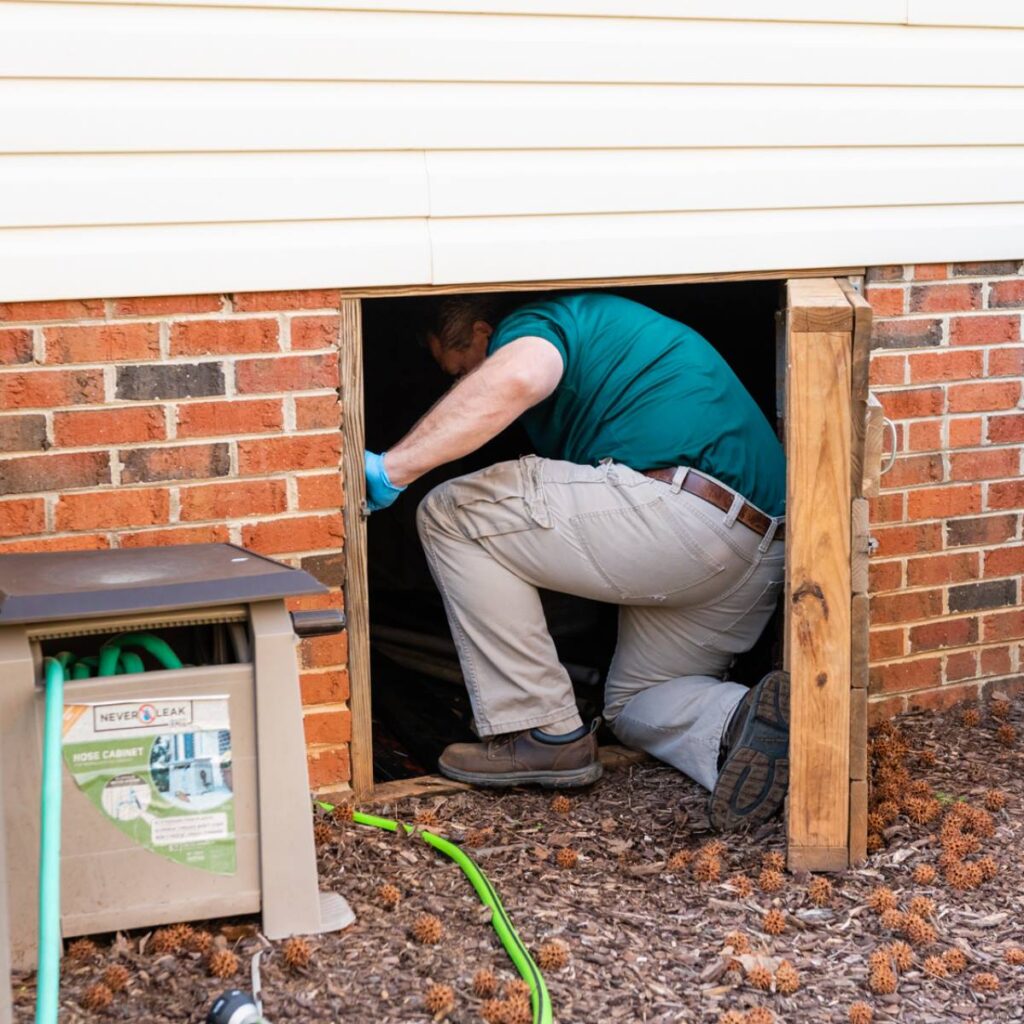
Summer in Upstate South Carolina brings heat, moisture, storms, thick lawns, shaded porches, and steady outdoor activity. Those same conditions can increase pest pressure around homes. Ants may move toward kitchens and patios. Mosquitoes may build around standing water. Fleas and ticks can become more active in yards. Termites may swarm or reveal hidden wood concerns. Cockroaches, spiders, rodents, bed bugs, birds, and stinging insects may also become harder to ignore when food, water, and shelter are easy to find.
Professional pest control works best in summer because it connects the visible pest to the conditions supporting it. A few insects near a doorway may point to landscaping, drainage, lighting, trash storage, pet activity, or structural gaps. Inspection helps homeowners understand whether the problem is temporary, seasonal, or likely to keep returning.
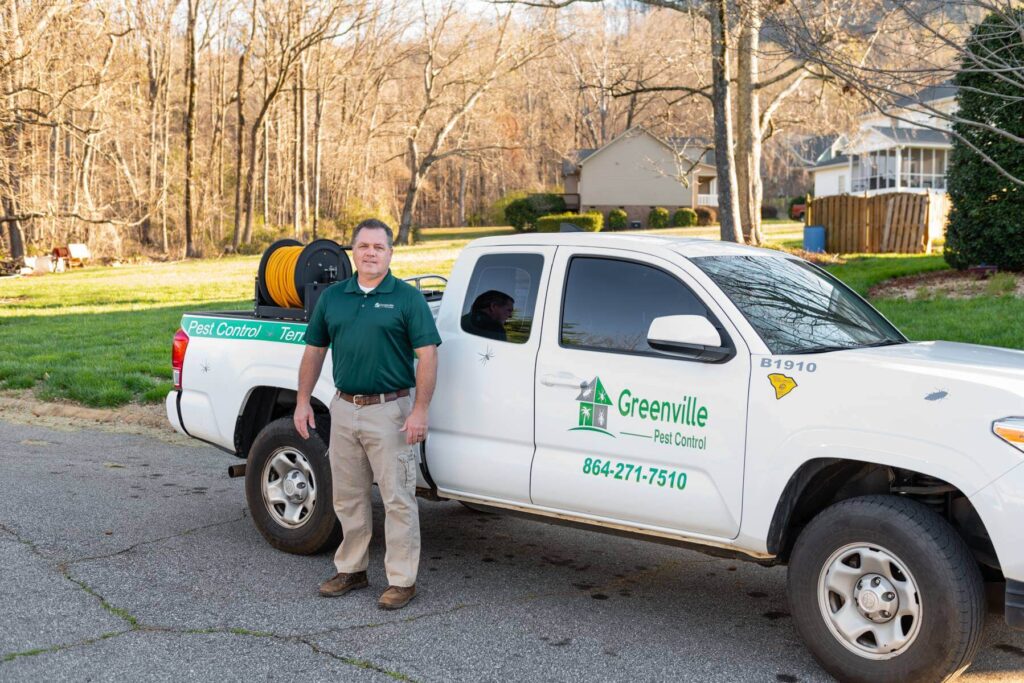
Moisture Drives Many Summer Infestations
Warm weather alone does not explain every pest problem. Moisture is often the stronger driver. Afternoon storms, humid nights, irrigation, clogged gutters, and shaded soil can all create favorable areas for pests. Insects and rodents may settle near damp mulch, crawl-space edges, leaking fixtures, or low spots around the yard.
Common moisture-related concerns include:
- Mosquitoes develop in containers, drains, gutters, plant saucers, and low areas
- Cockroaches are moving near damp kitchens, bathrooms, garages, and utility spaces
- Ants trailing toward water sources, pet bowls, sinks, and outdoor food
- Termites follow soil moisture, wood contact, or protected foundation routes
- Spiders appear where moisture-supported insects gather
Moisture problems can also hide inside walls, under sinks, or near exterior trim. Professional inspection helps find these support conditions before treatment is planned, making the response more precise.
Termite Swarms Should Get Attention
Summer termite activity can worry homeowners because swarmers often appear suddenly. Winged termites near windows, doors, lights, porches, or garages may be a sign of nearby activity. Even when the swarm ends quickly, the conditions behind it should not be ignored. Termites can damage wood in hidden areas long before the first visible sign appears.
A swarm does not always mean the entire structure is heavily damaged, but it does call for inspection. Professionals look for mud tubes, damaged wood, moisture, soil contact, crawl-space conditions, and other clues that separate termite activity from flying ants or unrelated insects. A guide to termite swarms explains why these signs can reveal more than a brief seasonal nuisance.
Because termites can remain hidden, quick surface reactions are not enough. Inspection-based termite service helps determine whether activity is active, old, localized, or connected to a larger structural concern.
Fleas, Ticks, And Mosquitoes Affect Outdoor Comfort
Upstate summers often bring families, guests, and pets outside. Lawns, shaded beds, trails, parks, patios, and porches can become active zones for biting pests. Fleas and ticks may build up in areas used by pets or visited by rodents and birds. Mosquitoes may gather near moisture and shaded resting spots.
Outdoor risk areas include:
- Tall grass, leaf litter, shrubs, fence lines, and shaded lawn edges
- Pet resting areas, kennels, patios, decks, and outdoor bedding
- Bird activity, rodent routes, and quiet fence-line areas where fleas or ticks may wait
- Standing water near drains, toys, planters, gutters, and low spots
- Outdoor dining spaces, trash bins, and gathering areas
Homeowners often notice the problem only after bites begin. This overview of flea and tick pressure explains why summer conditions can make these pests more active. Professional service helps evaluate the yard, pet-adjacent areas, and nearby pest conditions rather than treating one symptom alone.
Entry Points Turn Outdoor Pressure Indoors
Summer pests do not always stay outside. Ants, cockroaches, spiders, rodents, bed bugs, stinging insects, and other listed pests can move indoors through small gaps or arrive through daily routines. Open doors, damaged screens, garage gaps, plumbing lines, vents, and foundation cracks can all allow pests to move closer to living spaces.
Indoor warning signs may include:
- Ant trails near windows, sinks, counters, baseboards, or pantries
- Cockroaches near drains, appliances, cabinets, trash, or damp spaces
- Rodent droppings, scratching, gnaw marks, or nesting material in storage areas
- Spider webs in corners, closets, garages, and low-traffic rooms
- Bed bug signs around mattresses, furniture, luggage, or guest spaces
Professional pest control is useful because the indoor clue is rarely the whole issue. A technician can inspect the interior and exterior together, then recommend treatment, entry-point awareness, sanitation adjustments, monitoring, or follow-up based on the pest involved. That broader view is especially important in summer, when several pest pressures can overlap around one home and change after storms.
Keep Summer Pest Pressure From Taking Over
Summer pest problems across Upstate South Carolina are easier to manage when moisture, entry points, yard conditions, and hidden activity are inspected together. For professional help with ants, cockroaches, spiders, bed bugs, termites, rodents, birds, mosquitoes, fleas, ticks, stinging insects, and seasonal pest control planning, contact Greenville Pest Control.
