

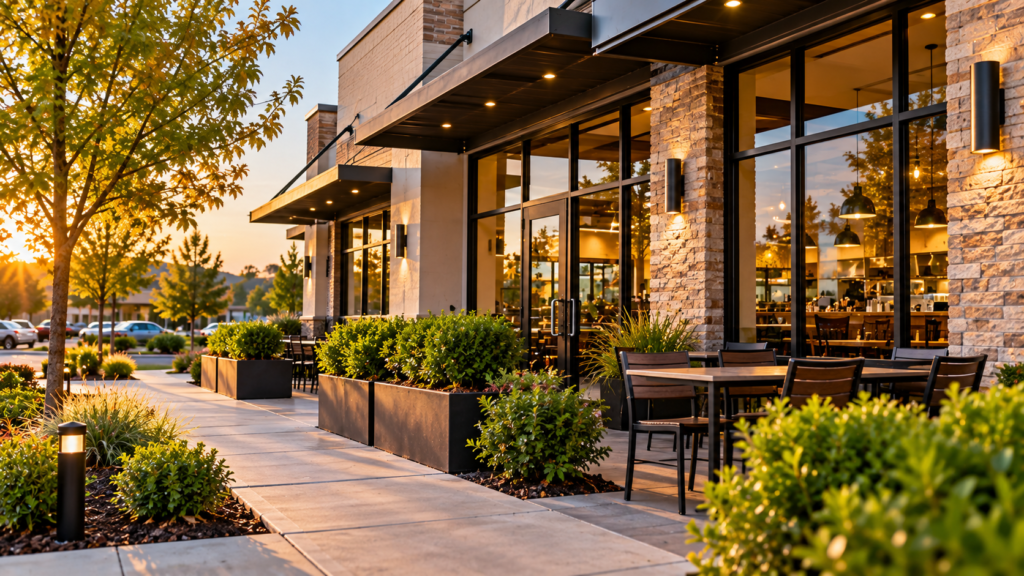
Restaurants, offices, warehouses, retail stores, medical facilities, daycare centers, and other commercial properties face pest pressures that can affect more than comfort. Cockroaches, rodents, ants, spiders, mosquitoes, fleas, ticks, termites, bed bugs, birds, and stinging insects can create sanitation concerns, property damage, customer complaints, and operational disruption when activity is not addressed quickly.
Our team approaches commercial pest control by looking at how the business operates every day. Deliveries, waste handling, food preparation, storage, employee traffic, moisture, landscaping, and structural access can all influence where pests enter and remain. Professional inspection helps us identify those conditions before treatment is selected, allowing the plan to fit the facility instead of relying on a one-size-fits-all response.
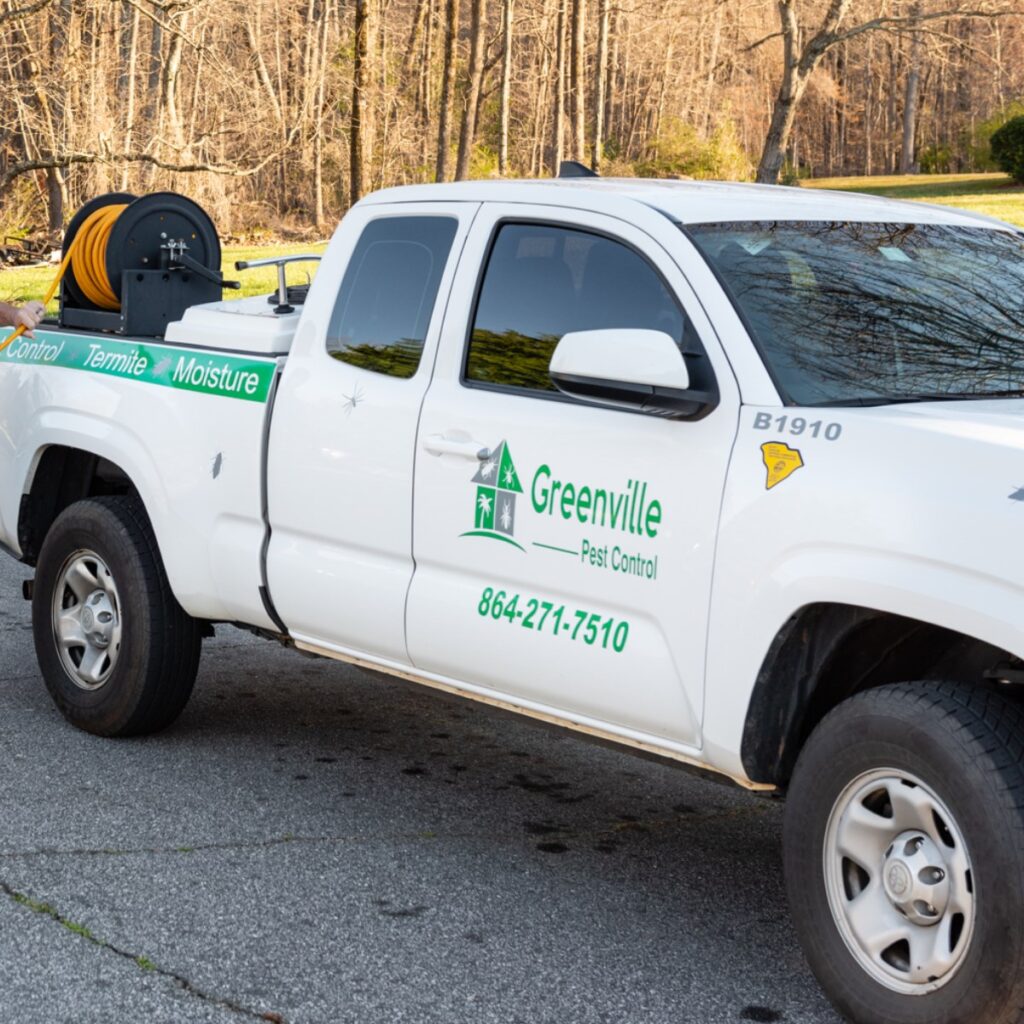
Inspection And Identification Build A Stronger Commercial Pest Plan
A restaurant may have very different pest risks from a warehouse or medical office. Kitchens can attract cockroaches, ants, flies, and rodents through food, water, grease, and waste, while storage facilities may face rodent, bird, spider, or termite concerns around loading areas and exterior gaps.
Our article on professional pest expertise explains why correct identification and inspection matter before treatment begins. Visible pests rarely show the entire infestation, and different species respond to different methods.
A commercial inspection may include:
- Meeting with the property manager for a walk-through and consultation
- Identifying active pest areas and conditions that support them
- Reviewing kitchens, storage rooms, loading areas, and utility spaces
- Checking moisture, food, waste, and shelter around high-risk zones
- Looking for pest evidence such as droppings, trails, webs, or damage
- Building a treatment strategy around the facility’s actual needs
This process gives our technicians a clearer picture of where activity starts and what may be allowing it to continue.
Targeted Treatment Helps Protect Food, Staff, Customers, And Property
Commercial pest control works best when treatment is focused on verified activity and the conditions that support it. Integrated Pest Management combines inspection, targeted products, environmental correction, exclusion, monitoring, and follow-up instead of depending on repeated broad applications.
In restaurants, that may mean paying close attention to kitchens, drains, storage areas, waste zones, delivery doors, and spaces behind equipment. In offices or retail properties, the focus may shift toward break rooms, utility areas, entrances, rooflines, or landscaped exterior zones.
A professional treatment plan may include:
- Applying targeted treatments to confirmed pest hot spots
- Installing glue boards or light traps where appropriate
- Placing rodent monitoring or control devices along active routes
- Addressing cockroach, ant, mosquito, or other insect activity by source
- Treating exterior perimeter zones where pests approach the building
- Scheduling follow-up based on the property’s risk and operating schedule
Precision helps reduce unnecessary product use while keeping service focused on the areas where pest activity can affect the business most.
Entry-Point Control And Follow-Up Reduce Repeat Infestations
Commercial properties often have more entry opportunities than homes because service doors, loading areas, utility lines, roof penetrations, drains, and frequent deliveries are part of daily operations. Our guide to commercial entry points explains how these openings can become recurring pest routes when shelter, moisture, or food is available nearby.
Long-term prevention may include:
- Sealing confirmed structural gaps and making small exclusions
- Repairing worn door sweeps or damaged weatherstripping
- Monitoring plumbing, drains, and utility penetrations for pest movement
- Reviewing trash, recycling, and exterior storage areas
- Rechecking loading doors and frequently opened entrances
- Adjusting treatment when seasonal conditions change pest pressure
Follow-up is important because commercial environments are constantly changing. A new delivery pattern, plumbing leak, landscaping change, or storage arrangement can create conditions that were not present during the previous visit.
Restaurants deserve particular attention because food, water, warmth, and frequent deliveries can support cockroaches, rodents, ants, flies, and other pests if sanitation or entry conditions change. Professional monitoring helps identify activity early, before it reaches food-preparation areas, dining spaces, or customer-facing zones.
Businesses such as warehouses, medical offices, nursing homes, daycare centers, shopping centers, and office buildings have different risks, but the principle is the same. Pest pressure should be managed around how the facility actually functions. Our technicians use inspection findings, treatment records, and follow-up observations to adjust the plan rather than repeating the same service automatically.
Routine commercial pest control can also help protect a company’s reputation. Customers and employees may notice pests long before management understands the source. Early professional response can reduce the chance that a small issue grows into a visible infestation, sanitation concern, repeated complaint, or avoidable disruption during busy operating hours.
The strongest commercial program combines inspection, targeted treatment, exclusion, sanitation guidance, monitoring, and follow-up. That approach helps protect people and property while making pest management more predictable for the business. It also gives managers a clearer record of where activity has occurred and what steps have been taken to reduce it.
Keep Pest Problems From Becoming Business Problems
If your restaurant, office, warehouse, retail space, or other commercial property needs professional protection, contact Greenville Pest Control for commercial pest control focused on inspection, targeted treatment, exclusion, monitoring, and long-term prevention.
