

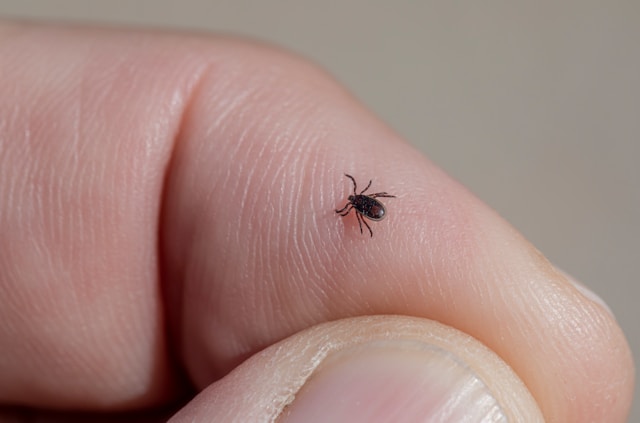
Fleas and ticks become more noticeable as warmer months arrive because heat, humidity, pets, wildlife movement, and outdoor activity all begin working together. In Greenville, warm conditions can stretch pest activity across a longer season, which gives fleas and ticks more time to feed, reproduce, and spread through yards, shaded areas, pet resting spots, and indoor spaces.
Flea and tick control is not only about reacting after bites appear. These pests can move quietly through grass, carpets, bedding, baseboards, and animal pathways before a household realizes the infestation has taken hold. The same seasonal conditions that increase fleas and ticks can also raise pressure from ants, mosquitoes, cockroaches, spiders, rodents, bed bugs, termites, and birds around homes and businesses. A professional plan helps identify the source, reduce favorable conditions, and prevent repeated outbreaks.

Warm Weather Speeds Up Flea And Tick Activity
Fleas and ticks respond strongly to temperature. When conditions warm up, they become more active outdoors and more likely to reach pets, people, and sheltered spaces. Fleas can develop quickly in warm areas, especially where animals rest. Ticks wait in vegetation and attach to passing hosts, including pets, rodents, birds, and people.
Common warm-weather triggers include:
- Heat. Warmer temperatures support faster flea development and longer tick activity.
- Humidity. Moist air helps ticks survive and keeps outdoor areas more favorable.
- Shade. Tall grass, shrubs, leaf litter, and protected soil give pests places to wait.
- Hosts. Pets, rodents, birds, and wildlife can move fleas and ticks across the property.
- Traffic. More outdoor time means more chances for pests to hitchhike indoors.
Because fleas and ticks spread through overlooked areas, visible activity is rarely the full issue. Professional inspection helps determine where pressure is starting and how far it has moved.
Greenville Humidity Can Extend Tick Pressure
Greenville’s humidity creates conditions that help ticks avoid drying out. Ticks depend on moisture-rich environments to stay active. Shaded lawns, wooded edges, overgrown plants, and damp resting areas can support continued tick presence, especially when warm weather continues for weeks.
This guide on humidity tick control explains why local moisture patterns make prevention more important than occasional yard attention. A property may look tidy while still offering protected spots where ticks can wait for a host.
Fleas can also thrive where pets rest, especially on porches, in shaded yard areas, and inside soft indoor surfaces. If rodents or birds are present, pest pressure can become more complicated because these animals may carry fleas or ticks into new zones. Mosquitoes, ants, cockroaches, spiders, termites, bed bugs, and other pests can also use moisture, gaps, or clutter.
Infestations Often Begin Before Bites Are Obvious
A flea or tick problem usually starts before a person notices bites. Fleas may lay eggs in pet bedding, carpets, furniture edges, or cracks near floors. Ticks may remain outside until pets or people carry them closer to living areas. By the time activity becomes obvious, several stages of the pest life cycle may already be present.
Early warning signs include:
- Scratching. Pets may scratch, bite, or groom more than usual after exposure.
- Specks. Small dark debris in pet bedding or carpet may point to flea activity.
- Bites. Itchy marks around ankles or legs can suggest fleas indoors.
- Sightings. Ticks found on pets, clothing, or skin may indicate yard pressure.
- Movement. Rodent or bird activity can contribute to wider pest movement.
These signs deserve attention because fleas and ticks are difficult to control when the source is scattered. Treating one visible area may not reach eggs, larvae, shaded outdoor zones, or host pathways. Professional service helps connect indoor and outdoor conditions for long-term relief.
Long-Term Prevention Works Better Than Seasonal Guesswork
Warmer months bring predictable pressure, but each property has different risk points. Some homes have pets that spend time outside. Others have shaded yards, crawlspace concerns, nearby trees, bird activity, or rodent movement. A long-term pest control plan looks at these patterns instead of waiting for pests to appear.
This resource on long-term prevention shows why consistent service helps reduce recurring pest problems. Flea and tick control works best when inspections, treatments, habitat reduction, and follow-up are aligned.
Effective prevention may involve:
- Inspection. Indoor and outdoor areas are checked for pest activity and conducive conditions.
- Targeting. Treatments focus on areas where fleas and ticks are most likely to develop.
- Monitoring. Follow-up helps confirm whether pressure is decreasing.
- Reduction. Yard conditions, moisture, and clutter are reviewed for risk.
- Coordination. Pet care, sanitation, and professional service work best together.
Fleas and ticks spike in warmer months because the environment supports their survival, movement, and reproduction. When humidity, hosts, shaded areas, and household activity overlap, small pest issues can spread quickly. Professional planning gives homeowners a clearer path to controlling active problems and reducing the chance of another seasonal outbreak.
Keep Warm-Weather Pest Pressure Under Control
Fleas and ticks are easier to manage when prevention begins before activity spreads through yards and indoor spaces. For dependable flea and tick control and broader pest control support, contact Greenville Pest Control.
