

Fast
Local Service

Satisfaction Guaranteed
Fast
Local Service
Satisfaction Guaranteed


Rodent Myths Debunked: What Truly Works For Elimination
Rodents are among the most misunderstood household pests. Mice and rats are highly adaptive, cautious, and capable of surviving in environments that appear clean and well-maintained. Myths surrounding rodent behavior often cause homeowners to delay action or rely on ineffective solutions that fail to address the full scope of an infestation. Understanding what fact versus fiction is essential for achieving effective rodent control and preventing long-term issues. Rodent infestations rarely develop overnight. They build quietly as rodents locate shelter, nesting areas, and consistent food access. By the time signs become obvious, activity is often well established. Separating common myths from proven strategies helps clarify what truly works for elimination. Myth One: Seeing One Rodent Means There Is Only One One of the most widespread misconceptions is that spotting a single mouse or rat means the problem is minor. In reality, rodents are social animals that establish nests close to food and shelter sources. A single sighting typically represents only a small portion of a much larger population. Rodents are primarily nocturnal and avoid human activity. They travel through wall voids, attics, crawl spaces, and utility lines, remaining hidden for most of their lifecycle. When one rodent is seen during the day, it often indicates overcrowding or increased competition within nesting areas. Effective rodent control begins with the assumption that visible activity is only part of the issue. Professionals investigate beyond what can be seen to locate nesting zones and movement patterns. Myth Two: Clean Homes Do Not Get Rodents Another common belief is that rodents only infest dirty or cluttered homes. While sanitation influences food availability, cleanliness alone does not prevent infestations. Rodents are primarily driven by shelter, warmth, and access points rather than surface-level cleanliness. Even well-maintained homes can provide attractive nesting opportunities through small structural gaps, attic insulation, and wall cavities. Mice can squeeze through openings as small as a coin, while rats exploit gaps around foundations, vents, and utility lines. Rodents are highly adaptable and can survive on minimal resources. Once inside, they may nest in rarely accessed areas, avoiding kitchens or living spaces entirely. This is why rodent control strategies focus heavily on structural assessment and exclusion rather than relying solely on sanitation practices. Myth Three: Traps Alone Solve Rodent Problems Traps are often viewed as a complete solution for rodent infestations, but they address only a fraction of the problem. While traps can remove individual rodents, they do not resolve how rodents entered the home or where others may be nesting. Without identifying entry routes, nesting sites, and environmental contributors, trapping alone often results in repeated activity. Effective rodent control requires a broader strategy that addresses the full infestation cycle. What Truly Works For Effective Rodent Control Successful elimination relies on understanding rodent behavior and addressing the conditions that support their presence. Professionals approach rodent control systematically, focusing on prevention, monitoring, and targeted intervention. Key elements of effective rodent control include: This comprehensive process mirrors concepts outlined in home pest monitoring, where consistent observation and early detection limit escalation. Instead of reacting to sightings, professionals focus on controlling the environment that allows rodents to thrive. Why Timing and Prevention Matter Rodent behavior changes throughout the year, with seasonal transitions playing a major role in infestation risk. Cooler weather often drives rodents indoors as they search for warmth and stable shelter. Homes that are not prepared for these shifts become prime targets. Preventive action is most effective when taken before rodent pressure increases. Identifying vulnerabilities early allows professionals to reinforce protective measures and reduce indoor activity during high-risk periods. Rodent prevention strategies often align with guidance similar to holiday rodent proofing, where sealing gaps and monitoring activity ahead of seasonal changes improves outcomes. Timing matters because once rodents establish nesting sites indoors, elimination becomes more complex. Rodent control is most successful when it anticipates behavior rather than reacting after damage occurs. Ongoing assessment ensures that small issues are addressed before they develop into widespread infestations. Replacing Myths With Proven Solutions Rodent myths often create a false sense of security that allows infestations to grow unnoticed. Understanding what truly works helps homeowners take informed action and avoid repeated problems. For expert evaluation and dependable rodent control strategies, contact Greenville Pest Control to protect your home with professional insight and lasting results.
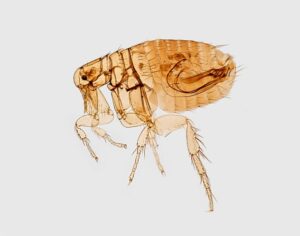
Flea And Tick Prevention Tips As They Move Indoors This Winter
Winter often gives a false sense of relief from flea and tick concerns. While outdoor activity may slow, flea and tick pressure does not disappear. Instead, these pests adapt to colder conditions by seeking warmth, hosts, and protected indoor environments. Homes provide stable temperatures and consistent access to pets, making winter an important season for prevention rather than complacency. Flea and tick behavior changes as temperatures fall. Instead of roaming yards and shaded outdoor areas, these pests rely more heavily on animals and indoor spaces to survive. Understanding how and why this shift occurs helps explain why winter infestations often feel unexpected and why prevention strategies should continue year-round. Why flea and tick activity increases indoors during winter Cold weather alters flea and tick survival strategies. Rather than remaining exposed outdoors, these pests adjust by staying close to hosts and sheltered environments. Pets play a central role in this transition. Dogs and cats that move between outdoor and indoor spaces can unintentionally transport flea and tick activity inside. Once indoors, these pests can spread beyond pets and into carpets, bedding, and furniture. Winter conditions concentrate activity, increasing the likelihood that infestations become established before signs are noticed. Common indoor hotspots for winter flea and tick activity Once flea and tick activity moves indoors, it often becomes localized in areas that provide warmth, shelter, and limited disturbance. These hotspots can support ongoing development throughout the colder months. Eggs and larvae often fall off hosts and settle into surrounding materials, making these areas especially important to monitor. Because winter heating systems maintain consistent indoor temperatures, flea and tick life cycles can continue without interruption. Addressing these hotspots early is a key component of effective flea and tick prevention. How seasonal conditions influence flea and tick survival Seasonal changes shape how flea and tick populations behave, but they do not eliminate risk. In regions with moderate winters, these pests may remain active longer than expected. Understanding regional pest trends helps explain why winter infestations are common. Insight into how local conditions influence pest behavior is outlined through information on regional pest activity, which highlights why flea and tick concerns often extend beyond warm months. By recognizing how seasonal conditions support indoor survival, homeowners can better anticipate risks and take preventative steps before infestations escalate. Why winter flea and tick problems often persist Winter flea and tick issues frequently last longer than expected because activity becomes hidden. Reduced outdoor exposure does not mean reduced indoor pressure. Many homeowners attempt to address winter sightings with surface-level solutions, assuming the problem is limited. However, incomplete approaches often fail to reach eggs, larvae, or hidden zones. The limitations of these methods are explained further through guidance on why DIY fails, which underscores why professional strategies are more effective for persistent flea and tick activity. Without comprehensive prevention, infestations can rebound quickly when spring arrives, often appearing suddenly and in greater numbers. How professional prevention reduces winter flea and tick risk Effective flea and tick prevention requires understanding life cycles, host movement, and environmental conditions. Professional approaches focus on long-term reduction rather than temporary relief. Professional prevention strategies address the entire environment, not just visible pests. By evaluating pet habits, indoor conditions, and seasonal patterns, professionals can recommend targeted measures that limit winter survival and reduce spring resurgence. Winter is an ideal time for evaluation because pest activity is concentrated. Addressing flea and tick concerns during this period helps prevent widespread infestations later in the year and supports a healthier indoor environment for both people and pets. Consistent prevention throughout winter also reduces stress on pets, minimizes exposure risks, and limits the need for more intensive treatments when temperatures rise. Protect your home before activity spreads We understand how flea and tick behavior changes during winter and why prevention matters even in colder months. For reliable protection and professional guidance, contact Greenville Pest Control so we can help safeguard your home and pets throughout the winter season and beyond.

Creating a Pest Monitoring Plan for Your Home This Year
Pests rarely appear without warning. In most cases, activity develops gradually, often out of sight, long before visible signs emerge. A well-structured pest monitoring plan helps homeowners identify early indicators, track seasonal changes, and address conditions that allow infestations to grow. Rather than reacting to problems after they escalate, monitoring focuses on awareness, consistency, and informed decision-making. A pest monitoring plan is not a one-time task. It is an ongoing process that adapts throughout the year. Weather patterns, moisture levels, and household activity all influence pest behavior. By monitoring these factors regularly, homeowners gain better control over risks and reduce the likelihood of unexpected infestations. Why proactive pest monitoring matters year-round Many pests handled in residential settings are active across multiple seasons, even if surface activity fluctuates. Monitoring helps reveal patterns that are easy to miss without structured observation. A pest monitoring plan creates a baseline for what is normal in and around a home. When changes occur, they are easier to recognize. This proactive approach reduces reliance on emergency treatments and allows for targeted responses when needed. Key areas of the home to monitor regularly A strong pest monitoring plan focuses on specific areas where pests are most likely to enter, travel, or establish shelter. These locations often provide warmth, moisture, food access, or concealment, making them high priority for regular observation. Monitoring these areas consistently helps reveal subtle indicators that may otherwise go unnoticed. Early signs often include droppings, faint odors, moisture accumulation, gnaw marks, or damaged insulation. Because these areas are not always part of daily household routines, changes can develop gradually without immediate detection. Exterior-adjacent interior spaces deserve special attention. Walls shared with garages, storage rooms, and utility closets often act as transition zones where pests move between indoor and outdoor environments. Seasonal shifts can increase activity in these spaces as pests search for stable shelter. Tracking observations over time is just as important as identifying individual signs. Noting where activity appears repeatedly helps clarify movement patterns and potential nesting locations. This information strengthens the pest monitoring plan by turning isolated observations into actionable insights that guide timely professional evaluation. How seasonal conditions influence monitoring priorities Pest activity changes with the seasons, and a monitoring plan should adjust accordingly. Temperature, humidity, and rainfall all affect which pests are active and where they concentrate. Understanding local pest behavior helps refine monitoring efforts. In regions with consistent humidity and mild seasonal shifts, pests may remain active longer than expected. Insight into regional patterns is outlined through information on local pest activity, which highlights why year-round awareness matters. By aligning monitoring priorities with seasonal trends, homeowners reduce blind spots and improve early detection. Common gaps that weaken pest monitoring plans Even well-intentioned monitoring efforts can fall short if key elements are overlooked. Gaps often occur when monitoring is inconsistent or limited to visible areas only. These gaps allow pest activity to continue unnoticed. Many homeowners attempt to fill these gaps with short-term fixes, but incomplete approaches often fail to address root causes. The limitations of surface-level responses are explained further in guidance on why DIY fails, which underscores the importance of professional insight within a monitoring plan. A strong pest monitoring plan focuses on consistency, documentation, and follow-through rather than quick solutions. How professional support strengthens a monitoring plan Professional involvement elevates a pest monitoring plan by adding experience, structure, and accuracy. Professionals understand pest behavior, seasonal movement, and the subtle signs that often go unnoticed. Professional monitoring helps translate observations into actionable strategies. Rather than guessing which signs matter, homeowners receive clear guidance on what to watch, when to act, and how to reduce risk long term. A pest monitoring plan supported by professional oversight becomes a living system. It evolves as conditions change, ensuring protection remains effective throughout the year. This approach reduces surprises and supports a healthier, more predictable home environment. Monitoring is not about constant intervention. It is about awareness, prevention, and informed response. When done correctly, it limits pest pressure before infestations take hold and minimizes the need for disruptive treatments. Stay ahead of pest activity this year We understand how a well-structured pest monitoring plan protects homes throughout the year. For professional guidance and reliable support, contact Greenville Pest Control so we can help you build a monitoring strategy that keeps your home protected season after season.
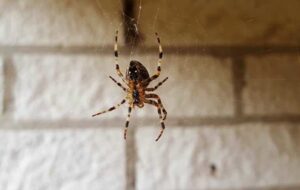
The Hidden Spider Threats in Upstate SC And How Professionals Handle Them
Spiders are a natural part of the Upstate South Carolina environment, yet their presence inside homes often raises concern. While many species remain unnoticed outdoors, indoor encounters tend to increase when environmental conditions shift. The spider threat in Upstate SC is not always obvious, as activity often remains hidden in storage areas, wall voids, and low-traffic spaces. Understanding how spiders behave locally helps explain why infestations develop quietly and why surface-level responses rarely resolve the issue. From older homes with crawl spaces to newer builds surrounded by wooded areas, spiders adapt easily to residential structures. Professionals focus on identifying patterns of movement, shelter, and food availability to address spider activity at its source rather than reacting to occasional sightings. Why Spider Activity Often Goes Unnoticed Indoors Spiders are not drawn to homes randomly. Indoor environments provide stable temperatures, protection from predators, and access to prey. In Upstate SC, seasonal changes play a major role in driving spiders inside, particularly during cooler or wetter periods. Several factors allow spiders to remain undetected: Because spiders rely on insects for food, their presence often signals other pest activity. In our previous blog post on DIY pest solution failures, the connection between untreated insect populations and recurring spider issues is clearly outlined. Without addressing the broader environment, spider activity continues to return. Common Spider Types Found in Upstate SC Homes Upstate SC is home to a variety of spider species, many of which coexist closely with residential areas. While not all spiders pose a danger, misidentification can lead to unnecessary worry or delayed response when risks are present. Frequently encountered spiders include: Correct identification matters because behavior, hiding patterns, and risk levels vary by species. In our article on spider identification basics, professionals explain how subtle physical traits help determine whether a spider poses a legitimate concern. Structural Areas That Increase Spider Risk The spider threat often develops around specific structural features rather than throughout an entire home. Professionals evaluate how spiders enter, where they settle, and which areas support long-term activity. High-risk areas commonly include: These zones allow spiders to establish themselves with minimal disturbance. Over time, webs accumulate, and populations stabilize, especially when insect prey remains available. Homes near wooded lots or water sources experience increased pressure, as spiders migrate inward from surrounding environments. Health and Safety Considerations Related to Spiders While many spiders are harmless, their presence indoors still presents concerns, particularly in households with children or pets. Venomous species, though less common, can pose health risks if contact occurs. Even non-venomous spiders contribute to discomfort and anxiety for residents. Key concerns associated with indoor spider activity include: Spiders are rarely aggressive, but accidental contact happens most often in spaces that remain undisturbed. Professionals assess these risk areas carefully, especially in homes where storage habits or layout create favorable hiding conditions. How Professionals Manage Spider Threats Effectively Professional handling of spider issues involves far more than removing visible webs. Experts focus on understanding why spiders are present, how they entered, and what allows them to remain active indoors. Professional strategies typically include: This comprehensive approach reduces recurring activity and minimizes unnecessary exposure. Professionals also account for seasonal patterns in Upstate SC, adjusting strategies as spider behavior shifts throughout the year. Long-term management relies on reducing favorable conditions rather than relying on repeated surface treatments. By addressing access points, moisture issues, and prey availability, professionals help stabilize the indoor environment and limit future spider activity. A Clear Path Toward Peace Of Mind If spiders continue to appear or concerns about hidden activity remain, professional insight can provide clarity and lasting solutions. Contact Greenville Pest Control to schedule an evaluation and take informed steps toward reducing spider threats throughout your home.

Four Reasons DIY Pest Solutions Fail As Winter Approaches
As temperatures begin to drop, homeowners often turn to quick fixes, hoping to keep pests at bay. While these options may seem cost-effective, most winter pest solutions that rely on do-it-yourself methods fall short as pests adapt, hide deeper, and move closer to the warmest parts of the home. Ants, mice, rats, termites, bed bugs, fleas, ticks, cockroaches, mosquitoes, spiders, and other local intruders become more persistent each time the season changes. Understanding why these methods fail is the first step toward protecting your home. Insights from resources such as our article on the region’s local bed bug activity highlight how rapidly pests shift behavior in colder weather. When paired with season-appropriate prevention strategies, homeowners are better equipped to make informed choices. 1. DIY Products Do Not Address Root Causes Many store-bought sprays and traps only target pests that are already visible. Winter activity is different. As temperatures drop, many species hide inside wall voids, insulation, attic corners, and basement crevices. DIY tools rarely reach these hidden areas. Common limitations include: Winter pest solutions require a strategic approach that identifies where pests enter, where they nest, and why they are attracted to the space. Homeowners often focus on surface-level signs while the root of the problem grows out of sight. This is especially true for rodents and bed bugs, which thrive in sheltered indoor environments during cooler months. 2. Seasonal Pest Behavior Becomes More Complex Pests behave differently once temperatures shift. Ants forage less outdoors and seek warmth indoors. Rodents search for steady food sources inside kitchens, garages, and attics. Termites become more active in moisture-heavy areas. Cockroaches hide deeper in appliances where warmth persists. DIY methods usually fail to account for these seasonal shifts. Behaviors observed in warmer months do not reflect the patterns seen in winter. As a result, homeowners applying the same product in December that they used in July often see little improvement. Key seasonal challenges include: Understanding these dynamics requires training and specialized equipment. Without this insight, most winter pest solutions are temporary at best. 3. Incorrect Application Leads to Minimal Results One of the most common reasons DIY treatments fail is improper application. Effective pest management depends on precision. Over-applying, under-applying, or using the wrong placement can make products less effective and, in some cases, create resistance within pest populations. Application mistakes often involve: This pattern is consistent across many species found in the home, including spiders, fleas, ticks, mosquitoes, and cockroaches. These pests often move between hidden layers of a structure, making placement critical. Winter pest solutions must be applied with accuracy to reach secluded harborage points. 4. DIY Methods Ignore Structural Entry Points Most winter pest pressure stems from the structure itself. Small cracks, worn weather stripping, utility line openings, and attic gaps give pests easy access. While sprays and traps may reduce activity temporarily, they do nothing to stop pests from entering again. Critical entry point concerns include: These entry points are often difficult to detect and require specialized inspection tools. Homeowners may seal what they can see but miss several hidden routes that pests rely on. A full structural assessment led by trained professionals typically uncovers vulnerabilities that would otherwise remain unnoticed. Resources on environmentally conscious approaches, such as the insights on green pest control benefits, show how targeted treatments protect both the home and its occupants without relying on harsh products. This approach further demonstrates the importance of thorough and correctly applied methods, which DIY solutions often fail to achieve. Why DIY Approaches Fall Short as Winter Nears Winter pest pressure increases because homes naturally become more inviting. Warm interiors, holiday cooking, stored decorations, and more frequent door openings create new attractants. DIY methods, while convenient, rarely provide the depth of protection required for this season. Several factors contribute to ongoing failure: Because pests in the region include resilient species such as ants, cockroaches, mosquitoes, fleas, termites, ticks, bed bugs, spiders, and rodents, winter demands a more comprehensive approach than occasional sprays or traps. Homeowners who want lasting results often rely on trained specialists who can assess conditions, identify species, and apply treatments in a targeted way. Strengthen Your Home’s Winter Protection For trusted support before colder months settle in, reach out to Greenville Pest Control for expert, thorough assistance.

Rodent Proofing Your Home Before the Holidays
Holiday preparations often center on guest lists, cooking plans, and seasonal décor. Yet one essential task often gets overlooked. Preparing the home through proper rodent proofing can prevent disruptions during a time meant for comfort and celebration. As temperatures shift, rodents such as mice and rats search for warm spaces, and homes with small structural gaps or accessible food sources become ideal targets. Understanding how these pests behave during seasonal transitions is an important first step. Their activity tends to increase as the weather cools, and this pattern aligns closely with the conditions described in our insights on Greenville’s climate pests. When supported by clear preventive measures, homeowners can make their spaces far less inviting to destructive intruders. Why Rodents Seek Shelter Before the Holidays The weeks before winter bring a noticeable shift in pest movement. As outdoor food sources decline, rodents turn to structures that promise warmth, shelter, and steady nutrition. Holiday homes often offer all three due to increased cooking, decorated entryways, and more frequent door openings. Several factors make rodent proofing especially valuable during this period: Homeowners who understand these patterns can stay ahead of rising activity levels rather than reacting once signs appear. Subtle prevention often stops larger issues from forming later in the season. Entry Points That Allow Rodents Indoors Most infestations begin with surprisingly small openings. Mice can enter through gaps as narrow as a pencil, while rats take advantage of cracks around utility lines or weakened siding. A careful assessment of the home’s exterior is essential. Key areas often overlooked include: These entry points are also risk zones for other pests found in local homes such as ants, cockroaches, mosquitoes, fleas, ticks, termites, and spiders. Many of these species thrive during seasonal shifts, especially those identified in Greenville’s climate patterns. Ensuring a tight structure protects against a wide range of intruders, not only rodents. Seasonal Conditions That Increase Indoor Activity Holiday weather patterns often create ideal conditions for rodents to move inward. When temperature swings combine with increased human activity, these pests take advantage of structural vulnerabilities. Important environmental factors include: These conditions align closely with patterns noted in the region’s fall pest checklist. Even homes that remain clean and organized can experience activity simply because the season encourages pests to seek refuge. For this reason, many homeowners rely on trained professionals who understand the timing and behavior of winter movement. A trained eye can detect vulnerabilities that may not be obvious during a casual walkthrough. Practical Preventive Steps Before the Holidays A detailed approach to rodent proofing allows homeowners to protect the home’s structure and maintain a safe holiday environment. These preventive measures strengthen the home’s defenses while reducing conditions that attract pests. Exterior improvements: Interior safeguards: Structural protections: These steps reinforce the home’s barriers and remove several attractants. While they provide strong support, a full inspection from trained professionals often delivers deeper insights into areas that require specialized attention. Why Timely Action Matters Holiday gatherings bring warmth and excitement, but they also create more opportunities for rodents to exploit. Open doors, increased food preparation, and seasonal decorations can unintentionally introduce new entry points and attractants. Taking action early helps avoid disruptions during the busiest time of the year. Rodents are persistent and adaptable, and once inside, they can quickly extend their reach into walls, attics, and storage spaces. Early detection paired with thorough prevention is far more efficient than managing a large indoor population later. For many homeowners, the most effective solutions come from teams equipped with the tools and experience needed for precise, comprehensive protection. A Helpful Next Step Before the Season Begins If you want a more secure home as the holidays approach, reach out to Greenville Pest Control for thorough support and expert inspection.
