

Fast
Local Service

Satisfaction Guaranteed
Fast
Local Service
Satisfaction Guaranteed


Bed Bug Control: When Activity Peaks Locally This Fall
Bed bugs remain one of the most resilient household pests, and their behavior becomes more noticeable as fall approaches. Cooler temperatures, increased travel, and changes in indoor living habits create ideal conditions for bed bugs to spread. While these pests are active year-round, fall presents several factors that lead to more frequent infestations and faster population growth inside homes. Understanding how seasonal shifts influence bed bug behavior is essential for preventing outbreaks and ensuring effective bed bug control. Below is a detailed look at why activity increases during the fall, how infestations spread, and what steps homeowners can take to stay protected. Why Bed Bug Activity Often Increases During Fall As temperatures drop outdoors, people naturally spend more time indoors. This creates more opportunities for bed bugs to feed, hide, and reproduce. Bed bugs thrive in stable, climate-controlled environments, which means fall living conditions support faster colony development. Fall also marks the beginning of holiday travel, back-to-school schedules, and more frequent overnight stays. These situations inadvertently increase the chances of bed bugs hitchhiking into homes through luggage, backpacks, clothing, or furniture. Travel-related movement is one of the most common causes of fall infestations. Homeowners can reduce this risk by reviewing helpful resources such as bed bug travel tips, which outline how to inspect accommodations and belongings before bringing them indoors. Because bed bugs are masters at hiding, infestations often go unnoticed until populations grow significantly. This seasonal rise in activity makes early detection and professional intervention essential. How Bed Bugs Spread Indoors During Cooler Weather Bed bugs move easily between rooms and floors in search of hosts. Cooler fall temperatures accelerate this process by encouraging bed bugs to remain inside heated structures. Once inside a home, bed bugs may spread through: Because they rely on blood meals and remain active at night, homeowners rarely see them until bites appear. These pests do not jump or fly; instead, they crawl quickly, hiding in crevices the width of a credit card. DIY sprays and over-the-counter treatments rarely eliminate bed bugs because they do not reach interior hiding spots or eggs. This allows infestations to persist and spread, especially during the fall when bed bug activity reaches a seasonal peak. Why DIY Bed Bug Treatments Fail During Peak Season As bed bug activity rises in the fall, many homeowners attempt DIY solutions. Unfortunately, these efforts often worsen the problem. Bed bugs develop resistance to many consumer-grade insecticides, and DIY treatments rarely reach all their hiding areas. DIY approaches fail because: Since fall creates a more favorable environment for reproduction, a partially treated infestation can double in size quickly. Professional methods remain the most reliable option for stopping hidden colonies and preventing further spread. Protective Steps Homeowners Can Take Before Infestations Grow Although DIY treatments are ineffective for eliminating infestations, homeowners can take important preventive measures to reduce the risk of introducing bed bugs during the fall season. Key protective steps include: Seasonal guides, such as fall home preparation, also help homeowners strengthen their living environment before peak pest activity sets in. These steps reduce the likelihood of infestations but should be paired with professional oversight when signs of activity appear. Why Fall Requires More Strategic Bed Bug Control Fall bed bug activity is influenced by a mix of environmental, behavioral, and climatic factors. Increased indoor living, holiday movement, and stable temperatures inside homes all contribute to population growth. Bed bugs are highly adaptive, capable of hiding in difficult-to-reach areas and surviving long periods without feeding. This combination of behavior and seasonal conditions means bed bug control requires a strategic, targeted approach. Effective treatment must address: Because bed bug infestations intensify quickly in the fall, early intervention is essential. Relying on consumer treatments often delays proper care and increases the difficulty of removal. Professional techniques use controlled methods that eliminate bed bugs at every stage of development, ensuring long-term results. Final Thoughts on Fall Bed Bug Activity Trends While bed bugs remain active year-round, fall presents conditions that allow infestations to spread more easily and quickly. Increased travel, extended indoor living, and seasonal temperature changes all contribute to heightened pest pressure. Understanding these patterns helps homeowners recognize early warning signs and take necessary steps before infestations grow out of control. Staying proactive, inspecting belongings, and monitoring sleeping areas are important, but professional bed bug control offers the thoroughness required to eliminate hidden colonies and prevent recurring problems. Take Back Your Home’s Comfort This Fall For dependable bed bug solutions designed to eliminate hidden infestations and restore peace of mind, contact Greenville Pest Control for expert bed bug control tailored to local seasonal conditions.

Fall Pest-Prevention Checklist For Homes In Greenville County
Fall in Greenville County brings cooler evenings and shorter days, but it also signals increased pest activity around homes. As outdoor temperatures drop, insects and rodents begin seeking shelter, warmth, and accessible food inside structures. An effective fall pest-prevention plan recognizes this seasonal shift and adapts accordingly. Because pests vary by season and region, it’s important to understand local trends and adopt strategies tailored to the area. This checklist draws on best practices rooted in integrated pest-management principles and hands-on inspection methods that align with local conditions. Inspect and Seal the Home Exterior One of the most effective ways to reduce pest invasions is to block the paths they use to enter homes. Beginning fall with a thorough exterior inspection helps disrupt this migration phase. Use the following steps: Because pest behaviour responds to environmental change, sealing entry points now helps reduce the chances of infestations during winter. For a deeper explanation of seasonal pest shifts and home readiness, check out this overview of how to choose the right pest control plan. Maintain Moisture Control and Landscape Management Moisture and vegetation near the foundation attract pests and create ideal conditions for many common invaders. Fall provides a good window to correct these issues before winter. Key actions include: These practices reduce the shelter and food sources that pests rely on as the weather cools. Local pest pressure remains high in this county because of its mild summers and relatively warm winters, making moisture control critical for effective fall pest-prevention. Target Seasonal Entry Hazards for Common Pests Fall invites specific pest types into homes. Recognizing which pests thrive locally helps in tailoring preventive efforts for the season. Prevailing pests in the area include: Because pest species respond differently to seasonal changes, adopting a general barrier is useful but not always sufficient. A professional pest-prevention plan that adapts to local biology ensures better outcomes over time. Clean Inside and Monitor for Early Signs Healthy pest-prevention is not only exterior work; it also involves interior care and early detection. Fall gives a final opportunity to clear out attractants before many pests become inactive or hidden. Indoor practices to follow: Monitoring and interior hygiene amplify the effectiveness of exterior exclusion and moisture control. Early identification of pest activity allows for corrective action before the problem escalates. Implement or Review a Long-Term Pest Plan Fall is an ideal time to review and update a year-round pest-prevention program. Because pests persist throughout the seasons, a professional plan that uses ongoing monitoring, habitat correction, and exclusion helps maintain a pest-free home long term. Long-term plan features should include: This structured approach draws from integrated pest-management (IPM) practices and positions pest control not just as event-based reaction but as preventive care. For more on how IPM works in practice, refer to this resource on managed pest strategies. Take Action for Fall Protection Seasonal shifts in Greenville County make homes more vulnerable to pest entry. Acting now to seal gaps, manage moisture, clean interiors, and establish a professional pest-prevention program ensures your home stays protected as the weather cools. For expert inspection and customized treatment, reach out to our team at Greenville Pest Control for peace of mind before the winter season deepens.
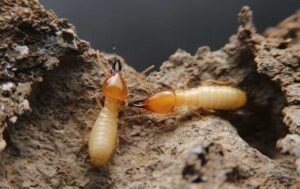
How Termite Activity Persists Even in Mild Winter Months
In regions with mild winters, it is common for homeowners to assume that termite threats disappear when the temperature drops. However, the reality is that termite activity often continues in hidden pockets where warmth and moisture persist. Understanding how termite behavior adapts during winter months helps property owners stay ahead of infestations before damage becomes serious. Unlike other insects that enter dormancy, termites stay active inside soil layers, wall voids, and wooden structures where temperatures remain stable. This makes them a year-round threat capable of causing hidden damage long before any visible signs appear. For homeowners, understanding this persistent activity is crucial. The mild winters typical of states like South Carolina allow colonies to keep feeding and expanding beneath the surface. Without ongoing monitoring, termite populations can double by spring, turning a small issue into a major repair problem. Why Termites Don’t Fully Hibernate Unlike many insects that become inactive in cold weather, termites often shift their habitats rather than cease activity. In mild climates, subterranean termite colonies move deeper into soil or into foundation zones where temperature remains stable. Drywood termite colonies inside wooden structures may continue feeding without interruption. Several conditions help termites remain active during winter: Because of these factors, termite control efforts cannot rely on seasonal lull. Effective protection requires inspections and preventive measures that account for hidden cold-weather activity. The local climate also influences the pests present and their behaviour patterns, as detailed in this overview of what pests usually thrive in Greenville’s climate. Subtle Signs of Hidden Termite Activity While active termite infestations in peak seasons may show obvious signs, winter infestations often remain concealed. Awareness of subtle indicators is essential for timely detection and early intervention. Key signs to watch for include: Because internal termite activity can go unnoticed through winter, property owners should not postpone inspections until warmer months. Verification by a professional ensures no hidden colonies continue unchecked. Structural and Environmental Factors That Support Termites in Winter Even when outside conditions appear unfavourable, termites exploit environmental and structural weaknesses. Mild winters in southern climates create fewer natural deterrents for termite pests. Understanding these supporting factors helps in building effective defence. Common vulnerability points include: Pre-construction treatments and preventative measures such as soil barriers are valuable, even for existing properties. For example, strategies for early protection of new structures detailed in this guide on proactive soil preparation for termites show how important prevention is from the beginning. Why Professional Termite Control Matters Year-Round Winter termite activity shows why general pest treatments or DIY approaches are often insufficient. Licensed professionals bring tools, training and targeted methods that detect and treat hidden termite passages and colonies. Professional termite control offers several key advantages: Because termites are active almost year-round in mild environments, delaying treatment can lead to further damage and higher repair costs. Early professional intervention prevents expansion of hidden colonies. Choosing the right program is critical, as explained in this resource on how to choose the right pest control plan. Ensure Your Home is Protected Now Termite activity does not pause just because winter arrives. In mild climate zones, infestation risk remains high and detection is often delayed. For thorough inspections, professional treatment and preventive planning that account for year-round termite risk, contact Greenville Pest Control today.

The Importance of Quarterly Pest Service for Small Businesses
Pest management often takes a back seat in the daily operations of small businesses. However, ignoring it can lead to costly consequences that extend far beyond minor inconvenience. Whether it’s ants in a bakery, roaches in a restaurant, or rodents in storage areas, infestations can damage inventory, create health hazards, and hurt customer trust. Quarterly pest service provides small businesses with a reliable and proactive way to keep pest problems under control. Regular inspections and treatments prevent minor issues from escalating into major infestations, ensuring compliance with health and safety standards while maintaining a professional image. Why Small Businesses Need Regular Pest Prevention Small businesses face unique challenges when it comes to pest management. Limited space, heavy foot traffic, and food or packaging materials can create environments where pests thrive. Quarterly pest service provides a consistent defense system that adapts to seasonal changes and pest behavior. Greenville’s climate, known for its warmth and humidity, allows pests such as cockroaches, ants, termites, mosquitoes, and rodents to remain active year-round. These pests are not just a nuisance but a risk to both property and health. The main reasons consistent pest service is vital include: For small businesses, routine service is not an optional luxury but a practical investment that ensures smooth operations and peace of mind. The Role of Quarterly Service in Long-Term Pest Management Quarterly pest service is designed around the natural life cycles of pests. It ensures that treatments are applied at the right times to disrupt reproduction and stop reinfestation. Instead of reacting to visible pests, professionals anticipate their seasonal behavior, offering year-round protection. Each quarterly visit includes comprehensive inspections, treatment adjustments, and preventive measures. These visits are especially important in regions like Greenville, where warm weather supports continuous pest activity. Common pests controlled through quarterly programs include: Businesses that delay pest prevention often experience recurring infestations. Regular treatments create an invisible barrier that not only eliminates existing pests but also deters new ones from settling in. Quarterly service also integrates environmentally responsible approaches for modern workplaces. The article on the benefits of green pest control highlights how eco-friendly solutions maintain safety without compromising effectiveness, making them ideal for health-conscious businesses and customers. Common Mistakes Small Businesses Make with Pest Control Many small business owners attempt DIY pest solutions to save money, but these methods rarely address the root cause. Store-bought sprays or traps may kill visible pests, but without professional oversight, colonies quickly re-establish themselves. The most common mistakes include: Quarterly pest service eliminates these risks by implementing professional-grade monitoring and treatment strategies. This approach ensures every potential source of infestation is identified and controlled safely. How Quarterly Pest Service Improves Business Operations Effective pest management extends beyond keeping pests out. It contributes to overall business efficiency and enhances brand reputation. When employees and customers feel confident in the cleanliness of a facility, productivity and loyalty improve. Key operational benefits include: Moreover, pest professionals can customize treatment plans based on business type, layout, and risk level. These insights on choosing the right pest plan explain how tailored strategies ensure optimal protection for different industries, from offices and restaurants to warehouses. Small businesses that partner with pest experts gain access to not just pest control, but also education and ongoing support; two factors that sustain long-term success. Building a Preventive Culture in the Workplace Quarterly pest service works best when combined with a preventive mindset among employees and management. Simple daily habits help maintain cleanliness and prevent infestations between professional visits. Practical workplace prevention tips include: Encouraging staff participation in pest awareness creates a culture of responsibility. Combined with quarterly professional service, these small efforts create a powerful line of defense against infestations. Keep Your Business Protected Year-Round Consistent pest management is essential to maintaining a clean, safe, and reputable business. If your business needs reliable quarterly pest service, contact Greenville Pest Control today. Our experts provide comprehensive inspections, tailored treatment plans, and preventive strategies designed specifically for Greenville’s climate and pest challenges, ensuring your business stays protected in every season.

What Pests Usually Thrive in Greenville’s Climate
Greenville, South Carolina, enjoys a subtropical climate characterized by warm summers, mild winters, and steady humidity. While this weather is ideal for residents, it is equally inviting for many types of pests. From termites thriving in damp soil to mosquitoes breeding in backyard puddles, Greenville’s environment provides the perfect conditions for pest activity nearly all year long. Understanding which pests are most active and how local climate patterns affect their life cycles is the first step in maintaining a protected home. Each season brings its own pest challenges, requiring proactive and informed management to prevent infestations before they begin. Warm Weather and Its Effect on Pest Populations Greenville’s long warm season and moderate rainfall create an environment where pests rarely enter full dormancy. Temperatures above 70°F support consistent insect reproduction and population growth. This allows pests such as ants, termites, and cockroaches to remain active for longer periods compared to cooler regions. Among the most common Greenville pests that thrive in warm, moist conditions are: When combined with Greenville’s lush vegetation and frequent rainfall, these conditions allow pests to flourish almost continuously. Preventive measures such as sealing entry points, controlling moisture, and scheduling seasonal inspections are essential in keeping infestations under control. The Role of Humidity in Pest Survival Humidity plays a crucial role in sustaining pest populations across the Upstate region. Insects require moisture for survival, and Greenville’s consistent humidity creates a stable environment for breeding and nesting. Even pests typically associated with dry climates can adapt easily to these conditions when indoor moisture levels remain high. Excess humidity often attracts: Reducing humidity indoors and outdoors is one of the most effective pest prevention techniques. Homeowners should ensure that gutters drain properly, air vents remain clear, and crawl spaces are adequately ventilated. Humidity also intensifies the threat of wood-damaging insects. Subterranean termites, in particular, rely on moisture to construct their protective mud tubes. Left untreated, their colonies can compromise a building’s structure over time. Year-Round Pests That Challenge Greenville Homes Some pests in Greenville are not limited to specific seasons. Instead, they adapt to environmental changes and continue reproducing indoors. These year-round pests often become harder to detect once established, requiring continuous vigilance and professional inspection. Homeowners commonly encounter the following persistent pests: Maintaining regular pest inspections ensures these populations never gain a foothold. Some of our top tips for preventing pest problems also include environmental adjustments that minimize risk before infestations occur. How Seasonal Transitions Influence Pest Activity Greenville’s mild seasonal transitions allow pests to remain active even when temperatures shift. Spring and fall are particularly active times for pest migration and nesting. As conditions change, insects and rodents seek stable habitats indoors. During spring, termite swarms become visible as colonies expand. Ants emerge in search of food, while mosquitoes begin breeding in puddles and gutters left by heavy rains. In summer, pest populations peak, fueled by heat and humidity that accelerate their life cycles. When fall arrives, cooler nights drive rodents and insects inside through cracks or open vents. Finally, during winter, indoor pests like spiders, roaches, and mice continue reproducing in hidden spaces. Seasonal changes also influence pest prevention strategies. Treatments must adapt to the species’ activity patterns, targeting both existing infestations and potential nesting zones. A detailed plan considers local weather conditions and the specific pest threats common to Greenville homes. Cockroach infestations, for example, are a recurring concern in warm climates. For a deeper understanding of how to manage this persistent pest, the guide on getting rid of cockroaches explains proven strategies for detection, control, and prevention. Why Professional Greenville Pest Services Are Essential While basic cleaning and maintenance can deter pests, Greenville’s humid environment and extended warm season make professional intervention an important part of long-term protection. Expert technicians understand how different pest species behave in this specific climate and use methods that address both the immediate problem and underlying causes. Professional services include: Greenville’s unique climate demands precision and consistency in pest management. By combining scientific knowledge with local expertise, professionals ensure effective and lasting protection for both homes and businesses. Protect Your Home the Smart Way Living in Greenville means coexisting with a variety of climate-adapted pests, but it doesn’t have to mean sharing your space with them. For thorough inspection and year-round protection, contact Greenville Pest Control today. Our experts use proven strategies tailored to Greenville’s environment to safeguard your home and restore peace of mind.
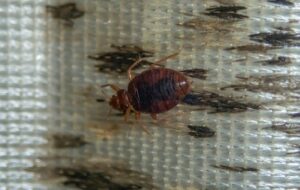
Bed Bug Travel Checklist: Inspecting Before You Unpack
Travel brings excitement and new experiences, but it can also introduce unwanted guests into your home. Bed bugs are one of the most common travel-related pests, capable of hiding in luggage, clothing, and even the seams of hotel furniture. Once brought home, these tiny insects can multiply quickly, creating an infestation that is difficult to remove. Preventing bed bugs from invading your home begins with awareness and preparation. A proactive inspection routine while traveling helps stop infestations before they start. This travel checklist explains how to spot early warning signs and what to do before you unpack your bags. Understanding How Bed Bugs Travel Bed bugs are expert hitchhikers. They move from place to place by clinging to luggage, clothing, or personal belongings. Even the cleanest hotels and vacation rentals can harbor them, as these pests are not drawn to dirt but to warmth and human scent. A single infested suitcase or upholstered seat can transport bed bugs across cities or countries. Once inside a home, they spread through furniture, cracks, and wall outlets, feeding on human blood during the night. Recognizing their behavior helps prevent costly infestations. Bed bugs typically: Understanding these habits underscores why careful inspection and preventive action are essential when returning from a trip. Step-by-Step Bed Bug Travel Inspection Before you unpack your luggage or bring travel items into your home, follow this inspection checklist to reduce the risk of introducing bed bugs. 1. Examine your hotel room before settling in: 2. Check luggage thoroughly upon returning home: 3. Quarantine luggage and items: A detailed inspection not only prevents infestations but also reduces the need for chemical treatments later on. Recognizing the Early Signs of Bed Bug Activity Even with careful inspection, bed bugs can sometimes go unnoticed due to their small size and elusive nature. Recognizing the early indicators of their presence is crucial for quick response and control. The most common warning signs include: If any of these signs appear, it’s important to act immediately. Professional pest management ensures proper identification and effective removal. Many homeowners make the mistake of using DIY sprays that can scatter bed bugs, making infestations worse. Incorporating preventive habits, such as those discussed in simple pest prevention tips, can also help limit future pest risks in addition to managing bed bug concerns. Why Professional Help Is Essential for Bed Bug Elimination Bed bugs are notoriously resilient and difficult to eradicate without professional assistance. Over-the-counter treatments may kill visible insects but rarely eliminate eggs or hidden populations. Professional technicians use proven detection and heat treatment methods that reach the insects at every stage of their lifecycle. Advantages of professional pest control include: In addition, many professionals now use environmentally conscious treatments that protect indoor air quality while effectively managing infestations. The article on green pest control benefits explores how eco-friendly approaches balance safety and efficiency, which is particularly valuable in sensitive environments like homes and hotels. Keeping Your Home Pest-Free After Travel Preventing bed bugs after travel requires ongoing vigilance. A few simple maintenance steps can make a significant difference in keeping pests from taking hold in your home. Preventive inspection should become a regular part of post-travel routines. Quick detection allows professionals to respond before infestations expand. Travel Smart, Sleep Soundly Bed bugs can turn an enjoyable trip into a stressful experience if left unchecked. Staying alert while traveling and performing a thorough inspection before unpacking helps protect your home from these persistent pests. For complete inspection, treatment, and prevention, contact Greenville Pest Control. Our experts specialize in effective bed bug detection and elimination methods that restore peace of mind and ensure your home stays pest-free after every journey.
