

Fast
Local Service

Satisfaction Guaranteed
Fast
Local Service
Satisfaction Guaranteed


The Role of Drain Cleaning in Preventing Moisture Pests
Moisture is one of the most common factors attracting pests into homes. Areas like bathrooms, kitchens, and basements often retain hidden dampness that encourages breeding and infestation. Over time, clogged or slow drains become ideal environments for pests that thrive in dark, wet spaces. Maintaining clean drains is a crucial part of preventive pest control, reducing moisture buildup and limiting access to essential resources that pests depend on. Understanding Moisture Pests and Why They Thrive Moisture pests are species that rely on damp environments for survival. These pests often multiply in areas where water accumulates, such as under sinks, around plumbing fixtures, and inside drains. Once established, they can spread to other rooms in search of food, warmth, and additional water sources. Common moisture pests include: Each of these pests can cause distinct problems, from health risks to structural damage. Regular maintenance and proper sanitation stop infestations before they begin by cutting off the water sources that allow these species to thrive. How Clogged Drains Contribute to Pest Infestations Drains accumulate grease, hair, soap residue, and organic debris over time. This buildup traps moisture and produces the perfect conditions for pest activity. Even small clogs or standing water can become breeding sites that are difficult to see or reach. When drains are neglected, they create several issues that attract pests: Because these environments are enclosed and moist, pests can multiply unnoticed until foul odors or visible activity appear. Routine drain cleaning prevents this chain reaction by restoring water flow and removing organic waste that draws pests in the first place. Moisture accumulation is also a contributing factor to mosquito infestations. Our article on seasonal mosquito breeding sites explains how water buildup in yards and drains can create hidden breeding zones unique to the local climate. Signs That Drains Are Attracting Pests Many homeowners overlook their drains until a problem becomes noticeable. By then, pests may already be active inside plumbing systems or nearby structures. Identifying early warning signs is essential to prevent infestations before they expand. Watch for the following indicators: Even if drains appear clean on the surface, biofilm and residue can linger below. A thorough inspection by pest control professionals helps determine whether hidden moisture is contributing to pest activity elsewhere in the home. Why Drain Cleaning Should Be Part of Pest Control Cleaning drains is often overlooked as part of routine pest management, yet it directly influences pest behavior. Moisture pests rely on access to water and organic buildup, and drains provide both. Removing these resources creates a less hospitable environment, reducing infestation risks naturally. A complete pest control strategy includes: These steps support a more sustainable approach to pest management, integrating prevention rather than relying solely on reactive treatments. To understand how professionals tailor maintenance to your property type, review our article on how to choose the right pest control plan, which explains how ongoing service can be customized for lasting protection. Preventing Moisture Pest Infestations Year-Round Drains are only one part of the broader moisture management picture. Proper ventilation, plumbing maintenance, and cleaning routines ensure pests do not return once eliminated. Preventive care keeps humidity levels low, which is essential for reducing pest breeding opportunities throughout the year. Key practices for maintaining a pest-resistant home include: These efforts combine sanitation, structural upkeep, and professional expertise to create an integrated line of defense. Homes and businesses benefit most from consistent, proactive maintenance rather than emergency pest removal once damage is already visible. Keep Pests Away by Managing Moisture Moisture may seem harmless, but in the world of pest control, it acts as an open invitation for infestation. Clean, dry drains are the foundation of a pest-resistant home. Take the first step toward lasting protection by scheduling an inspection with Greenville Pest Control. Our experts provide effective moisture management and pest prevention strategies that keep your property healthy all year long.
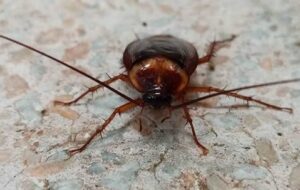
Identifying Early Cockroach Infestations Before Smells Rise
Cockroaches are resilient pests that often invade homes and businesses long before their presence is detected. By the time unpleasant odors or visible sightings occur, a full-scale cockroach infestation may already be underway. Recognizing the subtle early warning signs helps prevent structural damage, contamination, and costly cleanups later on. Why Odors Signal a Late-Stage Infestation The foul, musty odor associated with cockroaches is a byproduct of their pheromones, droppings, and decomposing carcasses. This smell intensifies as the infestation grows. When it becomes noticeable, it often means colonies have been active for weeks or even months. Early intervention is key because cockroaches reproduce quickly, with some species producing hundreds of offspring annually. A single egg case can contain dozens of nymphs, each capable of spreading bacteria and allergens once they mature. Recognizing their behavior before the odor sets in prevents a small problem from becoming a full-blown infestation. Early Signs of Cockroach Activity Cockroaches are nocturnal, preferring to hide during the day and forage at night. Their secretive habits make detection difficult, but small clues can reveal their presence long before a smell appears. Look for the following warning signs: These indicators typically appear in kitchens, bathrooms, and basements where moisture and food sources are accessible. Identifying them early is crucial to stopping the infestation before it escalates. Where Cockroaches Hide and Breed Cockroaches are experts at concealing themselves in small, protected spaces. They prefer dark, warm areas near food and water. Understanding their hiding patterns makes early detection and control more effective. Common nesting and hiding locations include: Cockroach activity tends to increase in high-traffic food preparation areas, especially in restaurants and cafeterias. For businesses, learning how commercial kitchens can prevent cockroach harborage through sanitation and inspection strategies allows them to continually reduce infestation risk. Why Early Cockroach Detection Matters A cockroach infestation poses significant health and safety concerns. These pests carry bacteria, including E. coli and Salmonella, and can trigger asthma and allergies in sensitive individuals. Detecting and addressing infestations early reduces exposure to these hazards and minimizes property damage. Key benefits of early intervention include: Homeowners sometimes attempt DIY methods, but over-the-counter sprays and traps rarely address hidden nesting sites. Professional technicians use targeted methods and inspection tools to locate colonies in concealed areas, ensuring long-term control. Additionally, modern pest management practices now emphasize safer, eco-conscious methods. The benefits of green pest control include how environmentally responsible approaches protect families and reduce chemical exposure while maintaining effectiveness. Long-Term Prevention Through Sanitation and Maintenance Preventing cockroach infestations relies on consistent hygiene and proper property maintenance. Cockroaches thrive where food debris, clutter, and moisture accumulate. Taking proactive steps creates an environment that discourages their return. To keep your property roach-free: Establishing a consistent cleaning routine, paired with regular professional inspections, is the most reliable way to stop infestations from forming. Experts can identify problem areas, monitor activity levels, and recommend corrective actions tailored to your home or business environment. Stop Roaches Before They Take Over The best time to act against cockroaches is before you see or smell them. Detecting the subtle signs of infestation early protects your health, property, and peace of mind. Schedule a professional inspection with Greenville Pest Control to identify hidden colonies and implement safe, effective cockroach control strategies for lasting protection.
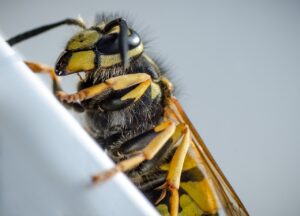
Best Landscape Features to Deter Stinging Insects
Outdoor spaces are meant for relaxation and enjoyment, but the presence of stinging insects such as wasps, hornets, and yellow jackets can quickly turn a pleasant afternoon into a stressful one. These pests are attracted to yards and gardens for food, shelter, and nesting opportunities, and once established, they can be difficult to control. Fortunately, landscaping choices can make a big difference in discouraging them. By designing your yard with prevention in mind, you can reduce nesting sites and create a less attractive environment for these pests. Strategic Plant Selection The types of plants in your landscape play a major role in attracting or deterring stinging insects. Some flowering species, while beautiful, are magnets for wasps and bees. Choosing the right plants can reduce activity around gathering spaces such as patios, decks, or children’s play areas. By tailoring your plant choices, you create a visually appealing yard that discourages stinging insects from settling in close to your living spaces. Hardscape Features That Limit Nesting Beyond plants, hardscape elements such as patios, walkways, and decorative rock can greatly influence pest activity. Stinging insects often nest in soil cavities, bushes, and shaded corners, but well-placed hardscape can reduce these opportunities. Integrating durable, low-maintenance features not only enhances property value but also makes the yard less appealing to pests searching for shelter. Smart Placement of Outdoor Amenities Where you place grills, seating, and trash receptacles has a direct impact on how attractive your yard is to stinging insects. They are opportunistic feeders, and any source of sugar, grease, or food waste can quickly draw them in. By thoughtfully planning the layout of amenities, you create outdoor spaces that are both functional and less vulnerable to pest problems. Eco-Friendly Enhancements for Safer Yards Sustainable landscaping practices not only benefit the environment but also help deter pests naturally. Many homeowners now seek options that are safer for families and pets while still effective at limiting stinging insects. Incorporating eco-friendly enhancements provides long-term results without over-reliance on chemicals. Eco-friendly enhancements prove that prevention can go hand in hand with safe, sustainable living. Ongoing Maintenance for Lasting Protection Even the best landscaping features require consistent upkeep to remain effective against stinging insects. Neglected yards provide new hiding spots and nesting opportunities, undoing months of careful planning. Routine maintenance helps preserve the protective benefits of your landscaping and reduces the likelihood of pests reestablishing themselves. Design Outdoor Spaces With Confidence Your outdoor areas should be safe and inviting, not dominated by stinging insects. Smart landscaping choices make a significant difference in keeping them away while improving the look and functionality of your yard. For added peace of mind, turn to Greenville Pest Control for expert guidance and services that support your prevention efforts year-round.
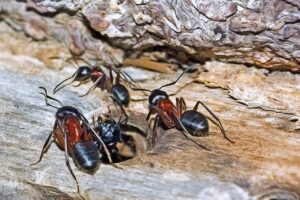
Why Fire Ant Control Differs from Common Ant Treatments
Ant infestations are a familiar issue for many households, but not all ants are the same. Fire ants are far more aggressive than most common species, and their ability to inflict painful stings makes them a significant threat to both people and pets. They form complex colonies that are difficult to eliminate, requiring strategies that go beyond general ant treatments. Understanding why fire ant control stands apart helps property owners appreciate the need for specialized approaches that target these pests effectively. Understanding Fire Ant Behavior The differences between fire ants and other common ant species begin with behavior. Unlike ants that primarily forage for food and avoid confrontation, fire ants defend their colonies aggressively. They can attack in swarms, delivering stings that inject venom and cause burning sensations, welts, or even allergic reactions. Key behavioral differences include: These traits highlight why controlling fire ants requires more than surface treatments. Unlike typical household ants, they present both health and environmental concerns, raising the stakes for safe and effective management. Why Common Ant Treatments Fall Short Conventional ant treatments often target species like pavement ants, odorous house ants, or carpenter ants. These methods typically rely on baiting systems or residual sprays designed to disrupt foraging trails. While these approaches may work for less aggressive ants, they are often ineffective against fire ants. Reasons common treatments fail with fire ants include: This is why DIY perimeter treatments may not succeed. While they can be effective against smaller infestations, tackling fire ants demands professional expertise. Homeowners often discover the limitations of general treatments when infestations persist, which reinforces the importance of recognizing signs that you need a pro. Specialized Strategies for Fire Ant Control Fire ant control requires an integrated strategy that targets the colony as a whole. Unlike general ant treatments that may focus on individual trails, fire ant programs are designed to penetrate deep into the mound and disrupt reproduction cycles. Specialized strategies include: By combining these methods, professionals achieve results that last longer and minimize the risks associated with incomplete treatments. This approach protects families, pets, and properties from both the health risks and the property damage fire ants can cause. Long-Term Prevention and Safety While eliminating current infestations is important, preventing future outbreaks is equally vital. Fire ants often reappear if preventive steps are not taken. Long-term fire ant control involves a combination of environmental adjustments and ongoing protection measures. Prevention strategies include: These steps are especially important for families with children or pets who spend time outdoors. Fire ants are unpredictable, and preventing contact is critical for reducing risks. Deciding on the right pest control plan ensures treatments are customized for each property’s specific challenges. Why Professional Expertise Matters Most Fire ants require an approach that blends science, safety, and precision. Attempting to handle infestations without professional support often leads to frustration and recurring problems. Professionals understand the biology of fire ants, use products specifically designed for them, and apply treatments that are both safe and effective. In addition to addressing current infestations, professionals create preventive strategies that safeguard properties year-round. Their experience ensures colonies are eliminated at their core rather than temporarily disrupted. For property owners, investing in expert services means fewer risks, greater peace of mind, and reliable long-term results. Take Back Your Yard from Fire Ants Fire ants differ from other ant species in ways that demand specialized care. Their aggressive behavior, complex colonies, and rapid reproduction make them difficult to control with common treatments. Through professional strategies that target colonies directly and prevent future infestations, families can enjoy safer outdoor spaces. For tailored solutions that deliver lasting protection, contact Greenville Pest Control today and regain control over your property.
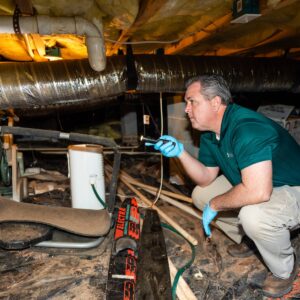
Benefits of Green Pest Control for Health-Conscious Families
Health-conscious families are increasingly turning to solutions that prioritize safety, sustainability, and long-term wellness. Pest management is no exception. Traditional methods may rely on strong chemicals that raise concerns about exposure for children, pets, or those with sensitivities. Green pest control offers an alternative that combines effective results with minimal environmental impact. By focusing on prevention, eco-friendly products, and targeted treatments, it provides families with peace of mind while keeping homes free of pests such as ants, spiders, mosquitoes, and rodents. Why Families Choose Green Pest Control For families striving to maintain a healthier lifestyle, the methods used to manage pests matter as much as the results. Green pest control aligns with these values by reducing reliance on synthetic chemicals and emphasizing practices that protect both people and the planet. Top reasons families prefer green pest control include: By choosing this approach, families prioritize well-being without compromising on effective pest control. Green services are especially beneficial in homes with vulnerable individuals who may be more sensitive to traditional treatments. How Green Methods Differ from Traditional Approaches Green pest control uses strategies that are distinct from conventional chemical-heavy programs. The goal is not only to eliminate pests but also to reduce conditions that encourage infestations in the first place. Differences include: This thoughtful approach reduces collateral risks while ensuring homes remain protected. Families looking to make informed decisions can benefit from guidance on choosing the right pest control plan, which outlines how plans should be tailored to specific needs. Health Benefits of Eco-Friendly Pest Solutions One of the most compelling reasons health-conscious families turn to green pest control is its impact on well-being. Exposure to traditional chemicals can sometimes contribute to respiratory irritation, allergic reactions, or skin sensitivities. Eco-friendly methods significantly reduce these risks. Health benefits include: By choosing these methods, families create living spaces that support their goals of long-term health and wellness while still addressing pest problems thoroughly. Long-Term Effectiveness and Prevention Contrary to the belief that green methods are less effective, eco-friendly pest management can deliver strong, lasting results when paired with preventive strategies. Rather than focusing only on eliminating visible pests, professionals address the root causes of infestations. Key preventive strategies include: These measures ensure that pest problems remain under control while minimizing the need for repeated treatments. Guidance on preventing pest problems further highlights how proactive measures can stop infestations before they begin. Why Professional Expertise Makes the Difference While green pest control emphasizes natural and preventive methods, its effectiveness depends on the expertise of trained professionals. Homeowners attempting DIY eco-friendly solutions may find temporary relief, but comprehensive protection requires a deeper understanding of pest biology and targeted application techniques. Professionals evaluate each property to design custom solutions that align with green principles while addressing specific pest challenges. They ensure that eco-friendly products are applied safely, effectively, and only where needed. Families not only gain reliable pest control but also reassurance that treatments align with their commitment to health and sustainability. Choose a Healthier Approach to Pest Protection Green pest control provides the ideal balance of safety, effectiveness, and environmental responsibility. For health-conscious families, it ensures homes remain protected without compromising well-being. By combining preventive strategies, eco-friendly products, and professional expertise, families can confidently maintain safe and comfortable living spaces. For tailored solutions that prioritize your family’s health, contact Greenville Pest Control today and experience the benefits of an eco-friendly approach.

Creating a Tick-Safe Play Area for Kids and Pets
Ticks are more than a nuisance; they pose real health risks for both children and pets. These small parasites are known carriers of illnesses such as Lyme disease and Rocky Mountain spotted fever, making them a serious concern for families. Outdoor play areas, where kids and pets spend the most time, are often at higher risk because ticks thrive in shaded, grassy, or wooded environments. By designing a yard with tick prevention in mind, homeowners can provide safer spaces while ensuring their families enjoy the outdoors with peace of mind. Understanding Where Ticks Thrive Ticks depend on specific environmental conditions to survive, and knowing these areas is the first step in keeping play zones safe. They seek moisture, shade, and vegetation where they can wait for hosts to pass by. Common tick habitats include: By recognizing these habitats, homeowners can take targeted steps to separate play areas from the conditions that ticks find most favorable. Yard design becomes a key tool in reducing exposure to these pests. Designing Tick-Safe Play Spaces When creating or improving outdoor play areas, it is essential to establish boundaries that discourage tick activity. A thoughtful design can significantly reduce risks while still maintaining a natural, enjoyable environment. Design strategies for tick prevention include: These measures create physical and environmental barriers that discourage ticks from entering the areas where kids and pets are most active. For additional tips on reducing risks across the property, see these pest prevention tips. Routine Yard Maintenance for Tick Prevention Even with careful design, maintenance is critical for keeping play spaces tick-safe. Ticks reproduce quickly and rely on cluttered, shaded spaces to establish themselves. Regular upkeep disrupts these habitats and reduces infestations. Effective maintenance practices include: Consistency is key. Regular maintenance not only protects children and pets but also improves the overall appearance and usability of outdoor spaces. Families who combine lawn care with tick prevention achieve healthier yards and safer environments. Why Professional Support Strengthens Protection While homeowners can take meaningful steps to reduce tick risks, professional services provide an added layer of protection. Experts use targeted treatments that focus on both high-risk habitats and ongoing prevention, ensuring that infestations are controlled before they escalate. Professionals also tailor their methods to the unique layout and needs of each property. They identify hidden risk factors, apply treatments to problem zones, and recommend long-term strategies to keep yards safe. Choosing the right pest control plan ensures families receive effective, consistent protection rather than relying on short-term fixes. Professional support is especially important for households with children and pets who spend extended periods outdoors. By combining professional treatments with ongoing maintenance, families can confidently enjoy outdoor spaces year-round. The Benefits of Creating Tick-Safe Play Areas A tick-safe yard not only reduces the immediate risks of bites but also contributes to overall family health and comfort. Creating dedicated, well-maintained play zones offers multiple advantages that extend beyond pest control. Key benefits include: Investing in tick-safe play areas is an investment in family well-being. By combining smart design, consistent maintenance, and professional support, homeowners create outdoor environments that remain enjoyable and safe. Give Your Family a Tick-Free Yard Ticks should never interfere with the safety and enjoyment of your yard. By designing play areas thoughtfully, maintaining outdoor spaces, and working with trusted professionals, you can minimize risks and protect your loved ones. For reliable solutions tailored to your property, contact Greenville Pest Control today and create a safe haven for kids and pets.
