

Fast
Local Service

Satisfaction Guaranteed
Fast
Local Service
Satisfaction Guaranteed

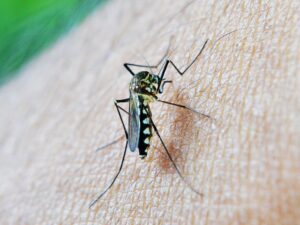
Seasonal Mosquito Breeding Sites Unique to Greenville Yards
Mosquitoes are one of the most persistent pests homeowners face, and their activity is influenced heavily by the changing seasons. In Greenville, the climate and environment provide unique conditions that allow these insects to thrive in different breeding sites throughout the year. Knowing where mosquitoes breed and how to manage those sites is essential for reducing populations and keeping yards comfortable for family and guests. By combining awareness with preventive practices, homeowners can support long-term mosquito control strategies that fit the seasonal challenges of the area. Springtime Moisture and Mosquito Hotspots Spring rains bring a surge of standing water, creating ideal breeding conditions for mosquitoes. In Greenville yards, common springtime breeding sites often include: This season highlights the importance of regular yard inspections. Homeowners can reduce breeding risks by clearing gutters, leveling uneven soil, and emptying containers after storms. Addressing moisture at this stage also limits broader pest issues, as explained in this guide to the role of moisture control in pest prevention. Summer Heat and Backyard Risks When summer arrives, higher temperatures accelerate mosquito development. Eggs hatch faster, and larvae mature quickly, making it even more important to reduce stagnant water. In Greenville yards, summer-specific breeding sites include: Alongside addressing water, making sure vegetation is trimmed back and maintaining the airflow in outdoor areas both help reduce mosquito resting zones. This not only improves comfort but also limits mosquito harborage during peak summer months. Fall Transition and Hidden Breeding Spots As temperatures cool in the fall, mosquito activity does not disappear immediately. Greenville’s climate allows mosquitoes to remain active until the first frost, which means homeowners must continue monitoring breeding sites. Fall risks include: During this transition season, mosquito management should be part of routine fall yard preparation. Clearing leaves, draining unused containers, and monitoring shaded areas can drastically reduce late-season mosquito activity. Winter Habits and Overwintering Strategies While mosquito populations decline in winter, certain species can survive colder weather by overwintering. Eggs deposited in damp soil, tree holes, or containers can withstand the cold, waiting for warmer conditions to hatch. Homeowners should be aware of: Winter is the time to prepare for the next season. Yard inspections, covering tree holes, and maintaining proper drainage can prevent eggs from hatching when spring returns. Preventive action taken now ensures a head start on mosquito control when the weather warms again. Year-Round Protection Through Professional Expertise Even with diligent seasonal efforts, mosquitoes are resourceful insects that exploit overlooked breeding sites. While homeowners can manage standing water and yard care, professional services provide the expertise and resources to identify hidden risks. Specialists can assess seasonal breeding challenges and create tailored strategies to keep populations under control. Choosing the right approach ensures not only outdoor comfort but also reduces health risks associated with mosquitoes, such as the transmission of West Nile virus. For long-term peace of mind, many homeowners explore options like a customized pest management plan, similar to the insights provided in this guide on how to choose the right pest control plan. Take Action for a Mosquito-Free Yard Mosquitoes adapt quickly to seasonal changes, and Greenville yards present plenty of opportunities for breeding. By combining homeowner diligence with expert support, it is possible to reduce populations and enjoy outdoor spaces year-round. For trusted mosquito control tailored to Greenville’s unique seasonal challenges, contact Greenville Pest Control today.
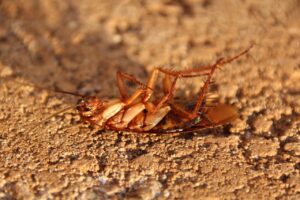
How Commercial Kitchens Can Prevent Cockroach Harborage
Commercial kitchens are among the most challenging environments to keep pest-free. With constant food preparation, high traffic, and abundant moisture, they create the perfect conditions for cockroaches to thrive. Preventing harborage is not only essential for health and safety but also for maintaining compliance with regulations and protecting business reputation. Understanding the strategies behind effective cockroach control ensures that infestations are stopped before they compromise food safety and customer trust. Why Cockroach Harborage Is a Serious Risk Cockroaches are resilient pests capable of adapting quickly to challenging conditions. In a commercial kitchen, they find everything they need: warmth, food, and water. Harborage sites, or the hidden places where cockroaches shelter, are often tucked behind appliances, inside cracks, or under sinks, making them difficult to detect. Ignoring early signs of infestation can lead to: For businesses, cockroach control must be proactive and systematic. Relying solely on reactive measures can make infestations harder to eliminate and more expensive over time. For a closer look at elimination methods, the article on what it takes to get rid of cockroaches provides further insight into eradication practices. Sanitation Practices to Reduce Harborage Sanitation is the foundation of cockroach prevention. By limiting food and water access, commercial kitchens can make the environment less attractive for pests. Key practices include: These steps not only reduce food sources but also remove potential harborage areas. Integrating routine cleaning with pest-conscious habits strengthens long-term protection. Structural Adjustments to Eliminate Hiding Spots Even with excellent sanitation, cockroaches will exploit structural vulnerabilities to find shelter. Addressing these weaknesses is a crucial step in cockroach control. Effective structural measures include: A proactive building maintenance routine reduces opportunities for cockroaches to settle in undisturbed areas. For further insights, see these tips for preventing pest problems before infestations take hold. Monitoring and Exclusion Techniques Consistent monitoring is essential in large-scale operations such as commercial kitchens. Cockroach populations can multiply quickly, so early detection is key. Monitoring and exclusion strategies include: By establishing consistent monitoring practices, commercial kitchens ensure they are not caught off guard by hidden infestations. When Professional Cockroach Control Becomes Essential While cleaning and structural efforts are important, some infestations require professional expertise. Cockroaches are notoriously resilient, and commercial kitchens often face conditions that allow pests to persist despite strict routines. Professional pest specialists bring advantages such as: Ultimately, professional intervention ensures that infestations are eliminated at the root and future risks are minimized. Protect Your Kitchen, Protect Your Business Maintaining a clean, pest-free kitchen is essential for both safety and customer trust. Cockroaches will take advantage of any oversight, which is why prevention and early action matter most. For effective, long-term cockroach control tailored to your business needs, contact Greenville Pest Control today.
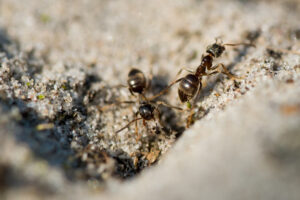
DIY Ant Inspection: Signs You Need a Pro Perimeter Treatment
Ants are one of the most persistent pests homeowners in Greenville face. While they play a role in nature by aerating soil and breaking down organic matter, their presence inside or around your home can quickly become more than an annoyance. Certain species can damage wood, contaminate food, and even trigger allergic reactions. Conducting a do-it-yourself inspection can help you identify early warning signs, but there comes a point when a professional perimeter treatment is the most reliable option for long-term protection. Understanding when to make that call is key to preventing a minor issue from escalating into a costly infestation. Understanding Ant Activity Around Your Property Before you begin inspecting for ants, it’s essential to know what drives them into homes in the first place. Ants are highly social insects, working together in colonies that can number in the thousands. Foraging workers venture out daily in search of food, water, and shelter. Once a resource is located, they lay down a chemical trail that guides other ants directly to it. These pests can be drawn to your property by a variety of factors, including: In Greenville’s warm climate, ant activity can remain steady for much of the year. This makes year-round awareness important. Without regular monitoring, colonies can expand rapidly and spread to multiple areas of your home. For best results, prevention strategies should be part of an ongoing plan, much like the principles used in integrated pest management strategies, which target both the cause and effect of pest problems. Key Signs of Ant Infestation A careful DIY inspection can reveal whether ants have already made themselves at home. Keep in mind that visible activity is often just a small sign of what’s happening behind the scenes. Watch for these common indicators: If you notice several of these signs at once, the infestation may already be well established and require more than a surface-level treatment. Areas to Focus on During a DIY Inspection A thorough inspection should cover both the inside and outside of your home. Using a flashlight and a small mirror can help you check less accessible areas. Documenting your findings will make it easier to address problem areas and guide any professional treatments you decide to schedule. Why a Professional Perimeter Treatment May Be Necessary While a DIY inspection can help you identify activity, eliminating ants entirely is often more complicated than it seems. Perimeter treatments create a protective barrier around your home, targeting both existing colonies and potential entry points. This approach goes beyond spot treatments by focusing on the bigger picture of prevention. Here’s why calling in the pros is worth considering: Many homeowners rely on store-bought sprays or bait, believing they’ll solve the issue. Unfortunately, these quick fixes often only target the ants you see, not the colony itself. Believing these methods are enough is one of the common myths about pest control that allows infestations to persist. Preventive Measures to Reduce Ant Problems Even after a professional perimeter treatment, good prevention habits can keep ants from returning. These habits work best when combined into a consistent routine. Making your property less attractive to ants not only reduces current problems but also helps prevent new colonies from targeting your home. Take the First Step Toward an Ant-Free Home If your DIY inspection reveals signs of persistent ant activity, it may be time to bring in professional help for a thorough perimeter treatment. Contact Greenville Pest Control for expert inspection and tailored solutions that safeguard your home from ants year-round.
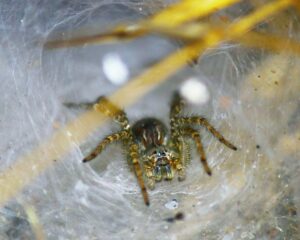
Recognizing Non-Venomous vs. Venomous Spiders in Greenville
Spiders are among the most misunderstood creatures in Greenville. While they play an important role in the ecosystem by keeping insect populations under control, their presence inside a home often causes concern. The challenge for homeowners is distinguishing between harmless species and those that could pose a threat to health. This distinction is more than just academic; it can mean the difference between calmly relocating a beneficial spider and taking urgent measures to protect yourself and your family. Learning to tell non-venomous species from venomous ones requires a combination of visual identification skills, awareness of common habitats, and understanding of spider behavior. Many local species look similar at first glance, which can lead to misidentification and unnecessary alarm. By becoming familiar with the traits that truly matter, you can approach spider encounters with confidence and know when professional spider control is warranted. ACommon Non-Venomous Spiders in Greenville Greenville is home to many spider species that help keep insect populations in check. Recognizing harmless varieties can prevent unnecessary alarm. While these spiders do not present a venom threat to humans, their presence indoors can still cause discomfort, prompting many to explore what people need to know about spiders. Venomous Spiders to Watch For Though less common than their harmless counterparts, venomous spiders in Greenville deserve close attention. Their bites can result in serious medical issues, making early identification essential. Two primary species in the region warrant caution: It is important to note that these spiders do not seek out human contact and will usually bite only when disturbed. However, because their hiding spots are often in areas where people store belongings or work on household projects, unintentional contact is possible. Learning where these species tend to live and how to spot them can significantly reduce your risk of a dangerous encounter. Behavioral Differences and Risk Levels While appearance plays a role in spider identification, behavior is often just as revealing. Understanding how different species interact with their environment can help determine the likelihood of a bite or infestation. These behavioral traits, when observed alongside physical features, can guide you in determining whether a spider poses a real threat. By combining both visual and behavioral clues, you can make better-informed decisions about when to leave a spider alone, when to carefully remove it, and when to seek professional assistance. Prevention Tips for Reducing Spider Encounters Taking proactive steps can reduce the likelihood of both harmless and dangerous spiders establishing themselves indoors. These preventive actions not only deter spiders but also support broader pest management efforts. Homeowners seeking consistent results often consider choosing the right pest control plan to maintain year-round protection. When to Seek Professional Spider Control Even with preventive efforts, some spider issues require expert intervention. If venomous species are spotted indoors, if webs are appearing repeatedly, or if infestations seem widespread, trained professionals can provide targeted solutions. Experts can identify species accurately, remove infestations safely, and offer long-term prevention strategies tailored to your home’s needs. Attempting to handle venomous spiders without proper equipment and training can be dangerous. Professionals have the tools and knowledge to resolve the problem without unnecessary risk to people or pets. Secure a Safer, Spider-Free Home Today If you are concerned about venomous or persistent spiders in or around your home, prompt action is essential. For expert inspection and safe, effective solutions, contact Greenville Pest Control to protect your household from unwanted arachnid guests.
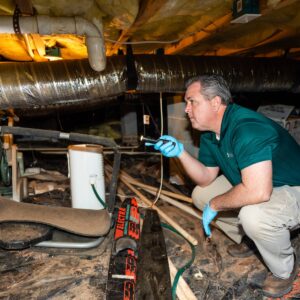
How to Choose the Right Pest Control Plan for Your Specific Needs
Pest control is not one-size-fits-all. Every property, whether a private residence or commercial building, faces its own unique challenges when it comes to managing unwanted pests. The right pest control plan depends on several factors, including the type of pest, the extent of the issue, the structure of the building, and the property owner’s long-term goals. Without a tailored approach, pest issues can return or remain partially addressed, causing frustration and added expense over time. A comprehensive strategy focuses on precision and sustainability. Understanding your specific needs will help you select a plan that keeps your environment clean, safe, and pest-free year-round. Assessing Your Property’s Pest Risks Before choosing a plan, it’s important to assess your property’s unique vulnerabilities. Factors like geographic location, seasonal changes, building age, and surrounding landscaping all influence pest pressure. A proper inspection helps determine the type of infestation and the structural access points pests are using. In commercial settings, scheduling regular pest inspections ensures early detection and helps avoid regulatory or health issues tied to pest presence. Types of Pests and Their Control Needs Each pest species requires a distinct treatment strategy. Understanding what you’re dealing with is essential for selecting the most effective plan. Here are some common pests and considerations: Matching the pest type with a proven treatment method ensures both immediate relief and long-term prevention. Comparing Service Plans and Coverage Options Once you know your property’s risk level and the pests involved, it’s time to compare available plans. Not all services are created equal. A tailored plan should address your unique concerns through: Here are three categories of pest control plans commonly available: If environmental safety is a concern, many plans now include eco-friendly pest control options that reduce chemical use while remaining effective. Why Professional Planning Makes the Difference Choosing a pest control plan should never rely solely on cost or convenience. While it may be tempting to try over-the-counter solutions or self-treatment, these often provide short-term relief without addressing the root cause. Professionals bring: The difference lies in long-term effectiveness and peace of mind. An expert plan doesn’t just treat today’s infestation; it helps prevent tomorrow’s. Making Your Final Choice After evaluating your property and pest situation, choosing the right plan comes down to aligning with your goals. Ask yourself: Once these questions are answered, selecting a service plan becomes more straightforward. Whether you live in a high-risk rural area or manage a restaurant downtown, the right pest control plan ensures your space stays healthy, functional, and comfortable. The Smarter Plan Starts Here Get a plan built around your needs, your space, and your peace of mind. Contact Greenville Pest Control today to get started with a service that fits you best.

How Are Integrated Pest Management (IPM) Strategies Efficient?
Integrated Pest Management, or IPM, is a systematic approach that blends multiple pest control strategies to deliver long-term, sustainable results. Rather than relying solely on routine chemical applications, IPM incorporates a range of techniques, including inspection, monitoring, exclusion, sanitation, and minimal pesticide use, to effectively manage infestations while reducing harm to the environment and non-target species. IPM is especially useful for managing a wide range of pests such as ants, cockroaches, rodents, mosquitoes, spiders, and stinging insects. By focusing on understanding pest behavior, seasonal activity, and environmental conditions, IPM provides a balanced, responsive, and cost-effective solution to pest problems in both residential and commercial settings. Core Principles That Drive IPM Success Integrated Pest Management is built on foundational strategies that prioritize prevention and targeted treatment. These key components distinguish IPM from traditional, one-size-fits-all pest control: These components make IPM a holistic and adaptive method that evolves based on the severity and type of pest pressure. Advantages of IPM Over Conventional Methods Compared to traditional pest management approaches that often rely heavily on routine spraying, IPM strategies offer several unique benefits: This multifaceted strategy is particularly effective during times when seasonal pest activity increases. Understanding the impact of seasonal changes helps homeowners stay ahead of pest cycles before infestations get out of hand. Why Professional Involvement Enhances Results While the concept of IPM may sound approachable, proper execution requires detailed knowledge of pest biology, building systems, and environmental factors. Effective pest management often depends on: Without professional insight, it’s easy to overlook small entry points or misinterpret pest activity. For instance, using repellents in the wrong areas can drive pests deeper into the structure. A trained expert uses IPM techniques precisely and adjusts them seasonally or as needed. This ensures treatment not only removes existing pests but also prevents future recurrence. Additionally, IPM addresses many of the common pest control myths that lead homeowners to underestimate the importance of proper timing, follow-through, and environmental awareness. When and Where to Apply IPM Integrated Pest Management isn’t limited to a specific season or room—it can be applied in almost any setting where pests are likely to appear. Some of the most effective applications include: IPM also benefits businesses, particularly in food service or healthcare environments, where regulatory compliance and health standards demand low-toxicity and high-efficiency pest control strategies. Making IPM Part of a Long-Term Plan For maximum effectiveness, IPM should be viewed as an ongoing process rather than a one-time fix. Continual assessment, prevention, and adjustment help maintain pest-free conditions throughout the year. Homeowners should consider building IPM into their regular home maintenance routine. This includes: A professional pest management provider can help design a custom IPM plan tailored to your property, local pest pressures, and lifestyle needs. A Smarter Way to Stay Pest-Free Experience long-lasting protection with the most effective strategies available. Contact Greenville Pest Control today to learn how IPM can keep your home secure and your environment safe.
